Key Points:
- Navigate state and federal programs to secure state and local disaster aid New York quickly after an incident.
- Understand how to access property damage recovery services NY, from cleanup to repair and reconstruction.
- Learn where to find community-based support networks offering disaster recovery help in New York beyond official channels.
Every year, New York faces storms, floods, fires and other hazards that cause property damage and disrupt lives. Swift action and knowing which resources to tap into can dramatically affect how quickly you restore your home, business or community.
This guide focuses on practical, accessible resources for everyday residents and property owners, with clarity on disaster recovery New York, how to access local resources for disaster recovery NY, and how to use state and local disaster aid New York programs. A New York public adjuster can be an invaluable partner in navigating these complex recovery processes.
Understanding the recovery landscape
What counts as disaster recovery and why it requires coordination
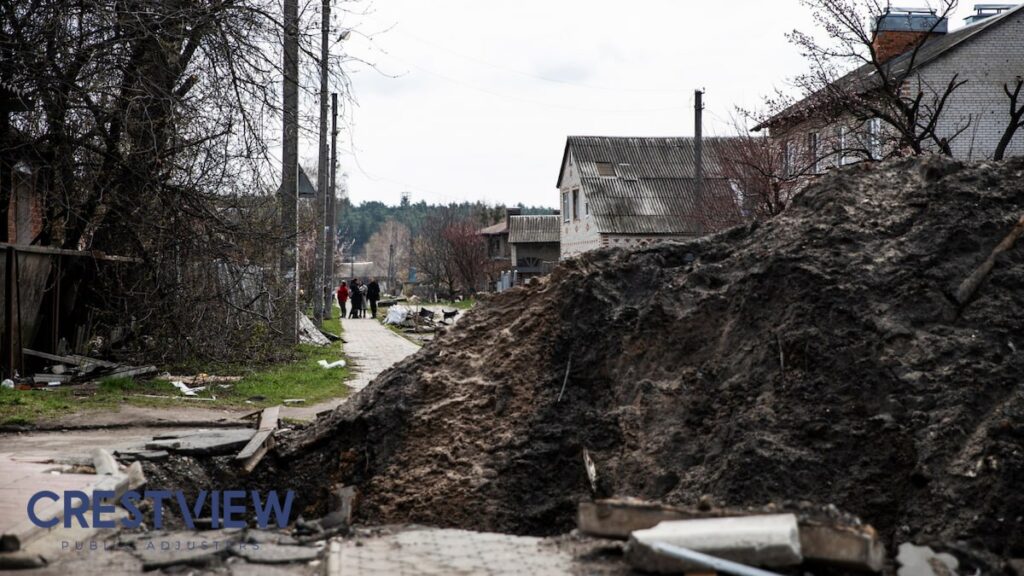
Recovery is more than immediate rescue. It includes restoring your property, rebuilding infrastructure, replacing lost belongings, dealing with insurance claims, and returning to normal life. Because of the scale and cost, multiple levels of government and private-sector actors get involved.
Key players you’ll meet
- The state-level emergency management agency oversees major events and coordinates state and local disaster aid New York.
- The federal disaster assistance portal helps homeowners and individuals apply for help when a federal disaster declaration is issued.
- Local networks like community organisations and “VOAD/COAD” groups support neighbourhood-level efforts and supplement formal aid.
- Restoration and rebuild firms handle the hands-on work of rebuilding, offering property damage recovery services NY. (See example providers below.)
Why the resources matter to you
- If you don’t report the damage or connect with the right agency quickly you may miss eligibility for key programs. For example, one city page notes that reporting property damage helps the city qualify for federal recovery funding.
- Knowing what kinds of documentation, remediation and repair you should undertake prevents sub-standard outcomes.
- Accessing local resources for disaster recovery NY means that you aren’t relying solely on one source; multiple supporting services increase your chances of full recovery.
State-level assistance for individuals and communities
Overview of government programs
The state emergency management division lists recovery resources for both individuals and communities, including sections for “Disaster Recovery” that cover public assistance, individual assistance and hazard mitigation.
Another key state resource covers housing and community renewal efforts aimed at repairing or replacing damaged housing, using federal block-grant funding.
How to use these programs
- Damage assessment: Begin documenting your losses, photos, videos, lists of damaged items. This is essential for both insurance and government aid.
- Check declarations: If a state or federal disaster declaration has been made, you’ll likely be eligible for more programs. Use the federal portal.
- Apply early: State programs often have deadlines. For example, one records-management grant requires application within 30 days of the disaster.
- Follow instructions: Provide full documentation and follow process steps. For homeowners, the state’s insurance department outlines what insurers must provide after a storm damages your property.
Key state programs worth noting
- For damaged housing: an allocation under the “CDBG-Disaster Recovery” fund endures through the housing renewal agency.
- For small businesses: the state small business development centre guides affected businesses through relief programs and recovery planning.
- For individuals: local city government’s “Recovery Resources” pages (like for a major city) show immediate relief options, the reporting of damage and access to toolkits.
Accessing property damage recovery services
What homeowners and business owners should ask
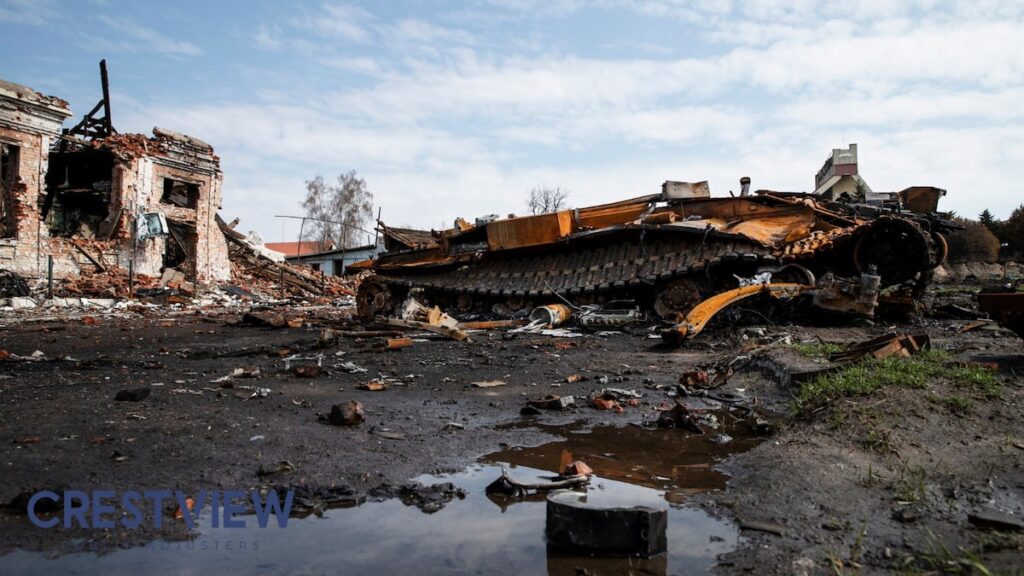
When your property is damaged, by flood, fire, storm, quick engagement of qualified restoration professionals is crucial. Restoration providers in New York clearly advertise “24/7 emergency response” and full-service property recovery.
You should look for services that:
- Provide immediate mitigation (e.g., water extraction, board-up)
- Offer full rebuild or reconstruction services
- Coordinate with your insurance claim and government aid filings
- Have good local credibility (check local reviews)
Role of “property damage recovery services NY” in the process
These services take over once immediate safety and mitigation are done. They help restore structural integrity and functionality. For example:
- A restoration company in NYC offers board-ups, smoke removal, document recovery and full reconstruction for homeowners and businesses.
- A firm focusing on the Hudson Valley region provides water removal, mold remediation and full rebuild services for homes and businesses.
How to ensure you choose and work with the right provider
- Confirm they are available 24/7 and familiar with your region’s risks (flood, winter storm, coastal surge)
- Ask how they will assist with the insurance claim and documentation
- Get a detailed scope of work, timeline and any build-back guarantee
- Keep your own records, photos, receipts, correspondence, to pair with the disaster recovery help in New York you access
Community-based and volunteer-driven support networks
Why these networks matter
Official government programs and private contractors form a large part of the solution, but community-based supports fill critical gaps. They may provide immediate informal aid, volunteer cleanup, emotional support and peer networks. The state’s resource lists show “VOAD” (Voluntary Organisations Active in Disaster) and “COAD” (Community Organisations Active in Disaster) as contact points.
Examples and how you can tap them
- The city’s individual handbook suggests that when a building fire or small disaster occurs and local resources respond, nonprofits may step in and provide limited assistance.
- Local faith-based coalitions organise cleanup and recovery assistance after flooding and coordinate referrals.
Practical ways to engage
- Use an online “211” service or local equivalent to query “disaster recovery help in New York” for your postal area. The state resource page points to 2-1-1 as a searchable database.
- Join local community disaster preparedness groups, being connected before a disaster increases effective help afterwards.
- Volunteer networks sometimes accept damaged items for repair, or offer clean-up assistance; these reduce your burden and increase recovery speed.
Insurance, documentation and claims: a critical step
Why documentation is essential
Government aid and private recovery services both rely on clear evidence of losses. The state insurers’ page advises immediate action: take photos and videos before cleanup, keep all paperwork and talk to your insurer early.
Steps to manage insurance and recovery simultaneously
- As soon as the event occurs, report damage and file any local service requests (for example, in a city: call 311 to report damage).
- Take an inventory of damaged items and structures, rooms, furniture, fixtures, appliances.
- Contact your insurance provider and ask what documentation they need. Keep a log of all communications.
- Ensure the restoration provider you choose coordinates with your claim and provides the necessary documentation to you and your insurer.
- Keep all receipts for emergency expenses (temporary lodging, board-up, etc.) in case you can seek reimbursement via state and local disaster aid New York or insurance.
Things to watch out for
- Flood damage often requires a specific flood insurance policy (standard homeowners policy may not cover it). The state page clarifies that for flood damage, check your insurance policy regarding the federal flood insurance program.
- Some state grants or aid programs require you to apply within a given timeframe, so efficiency matters.
- Beware of scams: if a caller claims to be from an assistance programme and asks for personal banking info, check official channels. The state emergency management site warns against scams. If you’re unsure about what your insurance company isn’t telling you, seek professional guidance.
Long-term recovery and resilience: preparing for the next event
Transitioning from response to rebuilding
After the immediate cleanup and repairs, you may still face rebuilding, mitigation upgrades, and long-term recovery decisions. A key part is ensuring your property is more resilient. For example:
- Consider flood-proofing, elevating utilities, improving drainage
- Reassess your insurance coverage and ensure it fits your risk profile
- Update your emergency plan and contact list
Engaging with available programs
The state housing agency offers funding for rental housing repair or replacement after disaster through federal grants.
For small businesses, there is help with business continuity planning and recovery through specialized programs. If you face a business closure, understanding when to involve a public adjuster can make a significant difference.
Building your own recovery network
- Identify your local VOAD/COAD now so you know who to contact in the future. The role of a public adjuster after a natural disaster can be crucial in coordinating these efforts.
- Maintain digital copies of important documents (insurance policies, property deeds) in a safe place
- Create or refresh an emergency kit, backup utilities plan, and establish a family or business continuity plan. Understanding how to maximize your insurance payout with professional help ensures you’re prepared for any eventuality.
- If dealing with commercial water damage, specialized assistance may be required
- Learn about how public adjusters speed up your insurance claims to minimize disruption to your life or business
- Know when it’s time to call a public adjuster to protect your interests
FAQs
If my area hasn’t received a federal disaster declaration, can I still access help?
Yes. You can start with local city or county resources and state and local disaster aid New York programmes. Some funds are state-only and don’t require a federal declaration.
How fast should I engage a restoration service after damage to my home?
As soon as possible. Quick engagement of property damage recovery services NY helps prevent secondary damage (mold, structural decay) and supports stronger insurance and aid claims.
What should I include when documenting damage for recovery purposes?
Take clear photos/videos before cleanup, list damaged items/areas, keep receipts for emergency repairs, record all contacts and steps, this documentation supports your claim, your recovery process and access to disaster recovery help in New York.
Find Local Disaster Recovery Support and Professional Claim Help
Crestview Public Adjusters partners with local resources for disaster recovery in NY to help families and businesses rebuild efficiently. From property damage recovery services in NY to state and local disaster aid in New York, we coordinate the support you need while managing your insurance claim.
Our experts guide you through both disaster recovery help in New York and claim filing, ensuring you never miss an opportunity for financial or logistical assistance. Whether facing flood, fire, or storm damage, we combine claim expertise with community recovery access to get you back on your feet faster. Contact us today to start your disaster recovery in New York with the team that knows where help begins.