
Hurricane Claims
- Hurricane Claims
- Crestview Public Adjusters
- Hurricane Damage Insurance Claim Help
- Crestview Public Adjusters
Ceilings dripping, rooms torn open, and your hurricane damage insurance claim already under pressure from tight deadlines and complex deductibles. Crestview Public Adjusters steps in to document hurricane wind, storm surge, and rain damage, review your policy, and push for a fair hurricane damage settlement.
Crestview organizes photos, estimates, and reports so your storm damage insurance claim is clear before the insurer makes up its mind. Serving policyholders in Florida, New Jersey, New York, and other hurricane-prone states.
Understanding Your Hurricane Damage Insurance Claim
Major storms do more than shake windows. They can tear off shingles, push water through small openings, and leave families and business owners staring at a long hurricane damage insurance claim. Wind, wind-driven rain, and storm surge can hit the same property in one night, damaging roofs, interiors, equipment, and inventory while power lines are still down. In that kind of chaos, the hurricane insurance claim process can feel technical and unforgiving, especially when deadlines and deductibles are buried in policy wording. Questions about what counts as a storm surge damage claim, how wind is treated, or when a separate tropical storm insurance claim applies can change what gets paid.
Crestview Public Adjusters brings more than 50 years of combined property claim experience to these decisions for policyholders in Florida, New Jersey, New York, and beyond. The team has helped secure millions of dollars in recovery for both commercial and residential clients following severe weather, including complex hurricane damage insurance claims. A dedicated windstorm insurance adjuster reviews your policy, compares it with real-world damage, and builds a strategy aimed at a stronger hurricane damage settlement, not a quick, limited offer. Crestview examines how wind, water, and storm surge each fit into the loss, so coverage arguments are supported by clear evidence.
If you have photos, videos, or repair estimates from a recent storm, you can upload them along with your policy so Crestview can provide a free hurricane damage insurance claim review before detailed conversations with the insurer.
What Hurricane Damage Insurance Claim Scenarios Does Crestview Handle?
Crestview Public Adjusters handles many forms of hurricane and tropical storm loss, from small roof openings to large-scale community damage that affects entire regions at once.. Each hurricane damage insurance claim turns on how wind, rain, and water entered the property and how the policy treats those causes.
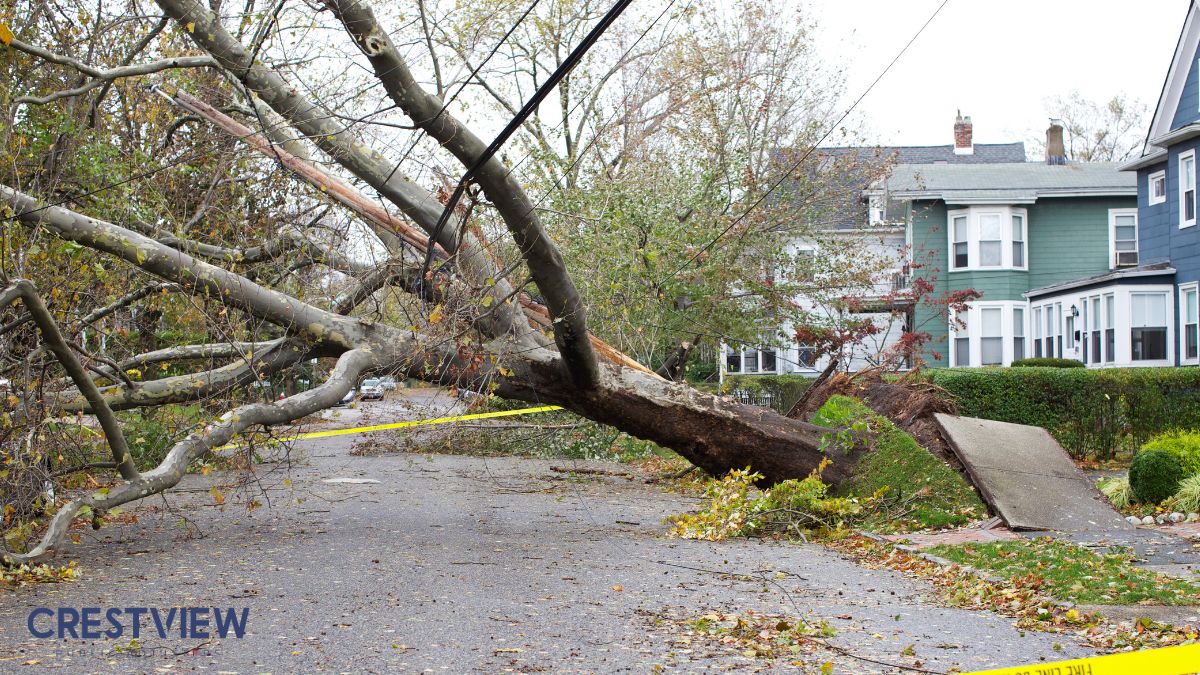

Hurricane Wind Damage Claims
High winds can rip shingles, peel back membranes, crack tile roofs, and send debris into siding, doors, and windows. Once a storm creates an opening, wind-driven rain can reach attics, insulation, framing, and interior finishes. In hurricane claims in FL, owners often see roof sections shifted or uplifted, while older buildings in coastal towns face broken windows and soaked interiors. A hurricane insurance claim public adjuster looks past quick patch proposals and asks what it will truly take to restore the structure.
Storm Surge and Coastal Flooding
Along beaches and bays, a storm damage insurance claim may involve waves pushing saltwater into lower levels, garages, and mechanical rooms. Anchors can shift, foundations can crack, and contents on the first floor may be ruined in a single tide cycle. In hurricane claims in NJ, bayfront and shore properties often see both surge and wind damage, which can trigger complicated wind-versus-water debates when insurers review coverage.
Interior Water From Wind-Driven Rain
Many owners see interior ceilings, walls, floors, and built-ins damaged, even when roofs are still in place. Wind-driven water can enter through vents, soffits, or window frames and travel far from the visible opening. A careful hurricane damage insurance claim for these losses maps where water moved, so hidden cavities, insulation, and wiring are not ignored.
Condos, High-Rises, and Associations
Shared roofs, risers, and exterior walls make condo and high-rise claims more complex. Master policies, unit policies, and association bylaws can all affect who pays for which part of the repair. In tall buildings from Miami to Manhattan, Crestview helps boards and unit owners separate building systems from interior finishes so each policy addresses its share of the loss.
Commercial Hurricane Claims and Business Interruption
Stores, hotels, warehouses, and industrial sites may sustain property damage and lose income after a storm. Equipment can fail, inventory can spoil, and customers can be forced away by power loss or unsafe conditions. A structured hurricane damage insurance claim for these locations often ties together building repairs, contents, and business interruption coverage.
Hurricane claims denied or underpaid
Some files reach the team only after an owner receives a low estimate or a denial letter. Carriers may argue pre-existing wear, poor maintenance, or uncovered flood as reasons to limit payment. A focused review of reports, photos, and policy language can reveal where coverage was overlooked or misapplied.
If your damage estimate does not match what you see on the ground, Crestview can review your photos and reports before you sign any hurricane settlement or release.
Why Choose Crestview For Your Hurricane Damage Insurance Claim
Property owners facing a serious hurricane damage insurance claim often deal with roofers, mitigation crews, and insurance calls all at the same time. In that noise, it helps to have a hurricane insurance claim public adjuster who works only for you, not for the carrier. Crestview Public Adjusters represents policyholders exclusively and focuses on hurricane- and other major property-loss claims, not quick, low-dollar claims. The team tracks key deadlines, prepares organized claim packages, and keeps communication clear so your side of the story stays front and center.
What Crestview Reviews in a Hurricane Damage Claim
During a hurricane review, Crestview Public Adjusters examines multiple loss points and separates them clearly for the claim:
Wind damage to roof coverings and structural elements
Wind-driven rain affecting ceilings, drywall, and flooring
Storm surge and flood impact on interiors and building systems
Contents damage with item-level documentation
Inspectors and estimators document roof coverings, structures, interiors, and contents, then separate wind, flood, and storm surge damage claim issues in a way the policy can recognize. When needed, the team coordinates with engineers, contractors, and remediation specialists to ensure the repair scope reflects actual conditions on the ground, not just a brief walk-through.
For businesses, Crestview also focuses on business interruption and extra-expense coverage. Lost income, temporary locations, and added operating costs can significantly change the overall value of a hurricane damage insurance claim, especially for hotels, retail centers, and industrial sites.
Independent research in Florida showed that policyholders who used public adjusters on certain hurricane-related claims received payments that were, on average, several hundred percent higher, in some cases around 747% higher, than those who handled claims alone, even though every file is different and results are never guaranteed. That gap highlights how much damage can go unnoticed or be underpriced when there is no experienced advocate reviewing the file.
Crestview Public Adjusters brings multi-state licensing and hurricane claim experience for homeowners, community associations, and businesses in Florida, New Jersey, New York, and other approved states. The team has negotiated millions of dollars in insurance recovery for disaster-related losses and continues to support clients long after the first inspection.

 Louis Biester
Trustindex verifies that the original source of the review is Google.
I've been in the Property Claims industry for over 25 years and have worked with Crestview Public Adjusters. Highly recommend their services should you need an advocate to fight the insurance carrier! Judy EtmanCrestview was very attentive to our needs in a very difficult time.
 P GI highly recommend Crestview Public Adjusters. They worked diligently to recover my losses from a flood in my apartment. They were always accessible, always responsive and ultimately got me what I was owed, something I could not have done on my own.
 Jay SchwartzJosh and his team at Crestview Public Adjusters were extremely easy to work with. A tree fell on our house after a storm and I reached out to Josh and he went to work right away. He made the process really easy and answered all of my questions. His team took care of everything and the results were excellent.
 Chris ChesterMarc and Josh what a team...Marc spent the time to really hear and understand our pain points dealing with ASSURANT INSURANCE COMPANY ..The worst insurance company to deal with the worst staff... I would go through details but too much to cover and my family and I are just glad the nightmare is over thanks to Crestview Public Adjusters...would recommend to anyone...
 Jeffrey HeiserCrestview was an absolute pleasure to work with. We got a call from a long term commercial tenant at 6am the morning after Hurricane IDA saying there is 4 ft of water filling up the space and that they were doing a walk through that day to sell their business. Crestview got their contractors over right away . We were able to prevent a lot of damage due to their quick response. Once onsite, they assessed all of the damage, we discussed rebuild plans and there was little for me to do as a landlord other than cash a check. Josh's assessments' were accurate and he was easy to communicate with. They also took a holistic approach to maximize my payout and even got the physical payment expedited so we can begin the rebuild. I would definitely use them again.
 David EiseltGreat team to work with; they are reliable, efficient and trustworthy!!!
 David BaumJosh was extremely conscientious and responsive. He got the damage response started immediately with great results and was able to get us a much larger settlement than we could have anticipated.
 Zev GontownikA tree fell on my house and knocked the chimney through my roof. I told my friend how hard it was dealing with the insurance company. He told me to call Crestview Public Adjusters and I am so happy I did. They handled everything for me with the insurance company and even helped me find a contractor to do the repairs. I couldn't be happier that I used them. I'd give them 6 stars if I could. Give them a call for all your insurance claim needs. I'm sure you won't be disappointed.
 Albert ChuJosh and his team are great to work with. They really helped us with the entire process from start to finish, highly recommended.
How Does The Hurricane Damage Insurance Claim Process Work?
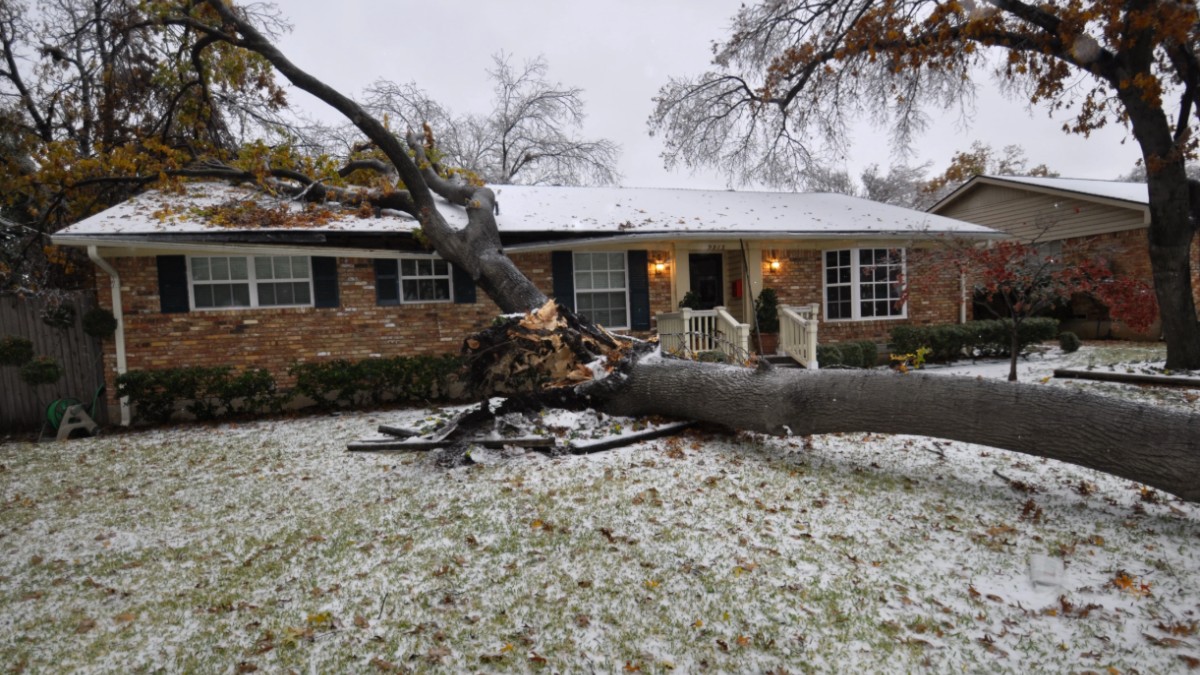
Many owners search for how to file hurricane insurance claim while they are still clearing debris and checking on family or staff. A simple hurricane insurance claim process helps protect safety, capture good evidence, and avoid early mistakes that can slow payment later.
01
Protect people and stabilize the property
Make sure everyone is safe, then shut off utilities if there are downed lines, gas smells, or active leaks. Arrange temporary board-up or tarping where needed to prevent wind and rain from causing further damage.
02
Document every sign of hurricane damage
Take wide and close photos, short videos, and simple notes in each affected area. Show roof surfaces, exterior openings, interior rooms, and damaged contents. Good documentation anchors your hurricane insurance claim process before any debris is removed.
03
Review your policy and contact Crestview
Before long, detailed calls with the carrier, Crestview Public Adjusters can review your policy, photos, and early repair estimates. The team looks for special hurricane deductibles, notice requirements, and coverage limits that may affect your file.
04
Open the hurricane claim with your insurer
Report the loss as soon as practical using clear, factual language about what happened and when. Ask for your claim number, keep copies of all emails and letters, and note the date and time of each phone call.
05
Attend inspections and gather independent estimates
The insurer will usually send its own adjuster to inspect the property. Crestview can help you prepare for that visit, highlight areas of concern, and recommend independent contractors or estimators so the carrier’s numbers are not the only figures in your hurricane damage insurance claim.
06
Track payments, delays, and disputes
Compare each payment or estimate with actual conditions on the ground. If offers seem low or partial, or if key items are missing, further negotiation or supplemental claims may be needed. This is often where the hurricane damage claim timeline stretches, especially when there are large regional disasters.
07
Resolve open issues and close the claim
Once remaining disputes are addressed, you can decide whether the settlement reflects the full scope of covered damage. Rules and response deadlines can differ by state, especially in Florida, New Jersey, and New York, so early contact with Crestview helps keep your file on track.
If you are unsure where your file stands, you can send hurricane photos, estimates, and letters so Crestview can review the steps already taken in your hurricane damage insurance claim and suggest what comes next.
What Does Hurricane Insurance Cover?
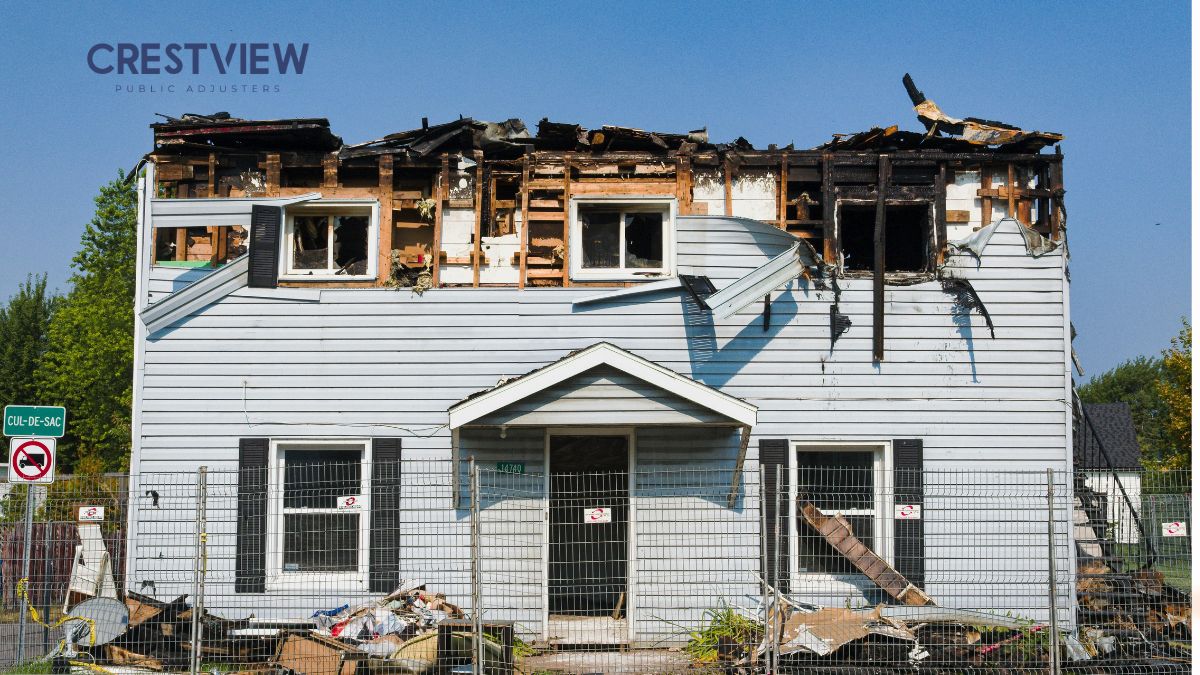
Many people ask, “What does hurricane insurance cover?” only after they see roof damage, soaked drywall, or ruined equipment. Policies often treat wind, wind-driven rain, and storm surge differently, so the same storm can lead to very different outcomes for each hurricane damage insurance claim.
In many homeowners and commercial policies, wind damage to the building is addressed under standard property coverage. When a storm creates an opening in a roof, wall, or window, resulting interior damage is often included as long as basic maintenance was in place. However, a storm surge damage claim or rising groundwater may fall under a separate flood policy, even when it arrives during the same hurricane.
A key part of hurricane insurance coverage is the special hurricane deductible. Understanding how a hurricane deductible works means knowing that it is often a percentage of the insured value, not a flat amount. That percentage applies only to covered hurricane losses, which is why accurate cause-of-loss descriptions and clear documentation are so important.
Additional Living Expense for homes or business interruption for commercial policies may help cover temporary housing, lost income, and other extra costs when the policy allows it. These benefits often have their own limits and time frames.
Often Covered in Hurricane Claims
- Wind damage to roofs, walls, and attached structures
- Interior damage from wind-driven rain through storm-created openings
- Dry-out, demolition, and rebuild to reach and repair wet materials
- Covered contents, equipment, and some business personal property
Often Disputed or Excluded
- Damage tied mainly to long-term wear or neglect
- Pure flood or surge where no wind damage is documented
- Upgrades or code changes beyond policy terms
- Items limited or excluded by endorsements or sublimits
Crestview Public Adjusters reviews policies, declarations pages, and estimates to explain how these rules apply in real situations. The team also highlights gray areas, such as mixed wind and water losses, so owners understand where insurers may seek to limit coverage. Coverage terms and deductibles differ by state and carrier, and examples from Florida, New Jersey, and New York show how similar homes can see different results.
Upload your declarations page, estimates, and any hurricane letters so Crestview can review your coverage, deductibles, and exclusions before you agree to a final decision.
Hurricane Damage Insurance Claim Help In Your Area
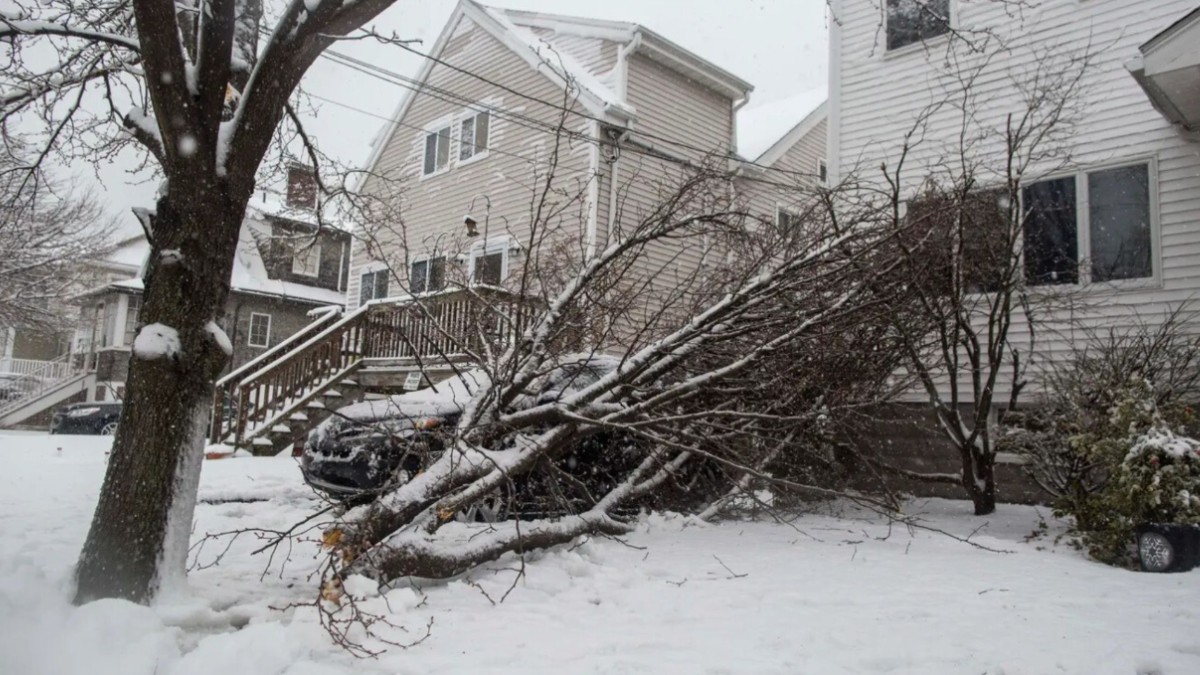
Crestview is a licensed public adjusting firm that handles hurricane claims for homeowners, associations, and businesses in key coastal and inland communities. The team provides hurricane damage insurance claim help in Florida, New Jersey, New York, and other approved states where severe storms regularly hit.
- New York Cities that we Service:
- Albany
- Binghamton
- Cortland
- Glen Cove
- Ithaca
- Little Falls
- Mount Vernon
- North Tonawanda
- Oneonta
- Poughkeepsie
- Salamanca
- Tonawanda
- White Plains
- Amsterdam
- Buffalo
- Dunkirk
- Glens Falls
- Jamestown
- Lockport
- New Rochelle
- Norwich
- Oswego
- Rensselaer
- Saratoga Springs
- Troy
- Yonkers
- Auburn
- Canandaigua
- Elmira
- Gloversville
- Johnstown
- Long Beach
- New York City
- Ogdensburg
- Peekskill
- Rochester
- Schenectady
- Utica
- Batavia
- Cohoes
- Fulton
- Hornell
- Kingston
- Mechanicville
- Newburgh
- Olean
- Plattsburgh
- Rome
- Sherrill
- Watertown
- Beaver Falls
- Chester
- DuBois
- Franklin
- Jeannette
- Lower Burrell
- Nanticoke
- Philadelphia
- Port Jervis
- St. Marys
- Titusville
- Williamsport
- New Jersey Cities that we Service:
- Absecon
- BordentownBordentown
- Cape May
- Elizabeth
- Hackensack
- Linwood
- Newark
- Passaic
- Rahway
- Summit
- Wildwood
- Asbury Park
- Bridgeton
- Clifton
- Englewood
- Hoboken
- Long Branch
- Northfield
- Paterson
- Salem
- Trenton
- Woodbury
- Atlantic City
- Brigantine
- Corbin City
- Estell Manor
- Jersey City
- Margate City
- North Wildwood
- Perth Amboy
- Sea Isle City
- Perth Amboy
- Bayonne
- Burlington
- East Orange
- Garfield
- Lambertville
- Millville
- Ocean City
- Plainfield
- Somers Point
- Plainfield
- Beverly
- Camden
- Egg Harbor City
- Gloucester City
- Linden
- New Brunswick
- Orange
- Pleasantville
- South Amboy
- Vineland
- Pennsylvania Cities that we Service:
- Aliquippa
- Bethlehem
- Clairton
- Duquesne
- Greensburg
- Johnstown
- McKeesport
- New Castle
- Pittsburgh
- Scranton
- Uniontown
- York
- Allentown
- Bradford
- Coatesville
- Easton
- Harrisburg
- Lancaster
- Meadville
- New Kensington
- Pittston
- Shamokin
- Warren
- Altoona
- Butler
- Connellsville
- Erie
- Hazleton
- Lebanon
- Monessen
- Oil City
- Pottsville
- Sharon
- Washington
- Arnold
- Carbondale
- Corry
- Farrell
- Hermitage
- Lock Haven
- Monongahela
- Parker
- Reading
- Sunbury
- Wilkes-Barre
- Beaver Falls
- Chester
- DuBois
- Franklin
- Jeannette
- Lower Burrell
- Nanticoke
- Philadelphia
- St. Marys
- Titusville
- Williamsport
- Florida Cities that we Service:
- Abbeville
- Arcadia
- Bayonet Point
- Belleview
- Brandon
- Cairo
- Cape Coral
- Chattahoochee
- Clewiston
- Coral Gables
- Dania Beach
- DeFuniak Springs
- Doral
- Englewood
- Florida City
- Fort Walton Beach
- Gulfport
- Harlem
- Holmes Beach
- Indian Rocks Beach
- Jasper
- LaBelle
- Lake Mary
- Lauderdale Lakes
- Leesburg
- Macclenny
- Margate
- Mexico Beach
-
Midway (Gadsden
County) - Neptune Beach
- North Bay Village
- Oak Hill
- Oldsmar
- Oviedo
- Palm Coast
- Parkland
- Pinecrest
- Punta Gorda
- Sanibel
- St. Cloud
- Tallahassee
- Titusville
- West Melbourne
- Winter Haven
- Alachua
- Bal Harbour
- Bay Pines
- Beverly Beach
- Briny Breezes
- Callahan
- Carrabelle
- Chiefland
- Cocoa
- Crestview
- Davenport
- DeLand
- Dunnellon
- Fanning Springs
- Fort Lauderdale
- Fruitland Park
- Haines City
- Hawthorne
- Hollywood
- Inverness
- Key Colony Beach
- Lake Alfred
- Lake Wales
- Lauderhill
- Lehigh Acres
- Madison
- Marianna
- Miami
- Monticello
- New Port Richey
- North Lauderdale
- Oakland Park
- Opa-locka
- Pahokee
- Palmetto
- Pembroke Pines
- Poinciana
- Queens
- Sarasota
- St. Petersburg
- Tampa
- Union Park
- West Palm Beach
- Winter Park
- Altamonte Springs
- Baker
- Bayport
- Blountstown
- Bristol
- Callaway
- Casselberry
- Chipley
- Cocoa Beach
- Cross City
- Daytona Beach
- Delray Beach
- Eagle Lake
- Fellsmere
- Fort Meade
- Frostproof
- Hallandale Beach
- Hialeah
- Homestead
- Jacksonville
- Key West
- Lake Buena Vista
- Lake Worth Beach
- Laurel Hill
- Lighthouse Point
- Maitland
- Mary Esther
- Miami Beach
- Mount Dora
- New Smyrna Beach
- North Miami
- Ocala
- Orange City
- Palatka
- Panama City
- Pensacola
- Pompano Beach
- Riverview
- Satellite Beach
- Stuart
- Tarpon Springs
- Venice
- Weston
- Zephyrhills
- Anna Maria
- Bartow
- Belle Glade
- Bradenton
- Brooker
- Calera
- Cedar Key
- Clearwater
- Coconut Creek
- Crystal River
- Daytona Beach Shores
- Deltona
- Edgewater
- Fernandina Beach
- Fort Myers
- Gainesville
- Hamilton
- Hialeah Gardens
- Homosassa Springs
- Jacksonville Beach
- Keystone Heights
- Lake City
- Lakeland
- Lawtey
- Live Oak
- Malabar
- Mascotte
- Miami Gardens
- Mulberry
- Newberry
- North Miami Beach
- Ocoee
- Orlando
- Palm Bay
- Panama City Beach
- Perry
- Port Orange
- San Antonio
- Sebring
- Sunny Isles Beach
- Tavares
- Vero Beach
- Wilton Manors
- Apopka
- Bay Lake
- Belle Isle
- Bradenton Beach
- Brooksville
- Cape Canaveral
- Center Hill
- Clermont
- Coleman
- Dade City
- DeBary
- Destin
- Elfers
- Flagler Beach
- Fort Pierce
- Gulf Breeze
- Hampton
- High Springs
- Indian Harbour Beach
- Jacob City
- Kissimmee
- Lake Helen
- Largo
- Layton
- Longwood
- Marco Island
- Melbourne
- Miami Springs
- Naples
- Niceville
- North Port
- Okeechobee
- Ormond Beach
- Palm Beach Gardens
- Parker
- Pinellas Park
- Port St. Lucie
- Sanford
- St. Augustine
- Sunrise
- Temple Terrace
- Wauchula
- Winter Garden
Hurricane Claim Results For Policyholders
Real-world examples show how organized advocacy can change the course of a hurricane damage insurance claim.
- Case 1: Coastal home with wind and storm surge in Florida
A family with a two-story coastal home saw the first floor filled with storm surge while high winds stripped shingles and broke windows on the upper level. The carrier’s first estimate focused on patching sections of drywall and limited contents replacement, offering under $150,000 for what looked like a complete rebuild of the ground floor. Crestview Public Adjusters documented structural impacts, saltwater intrusion, and full-height water lines, then worked with engineers and contractors to estimate the cost of proper repairs. After negotiation, the combined building and contents payment moved into the mid-$400,000 range, allowing the owners to rebuild safely rather than live with partial fixes.
- Case 2: New Jersey shore property with roof and interior damage
A shore home in New Jersey lost large sections of its roof during a hurricane, leading to soaked insulation, ceilings, and hardwood floors. The initial offer of about $60,000 treated much of the interior work as optional or cosmetic. Crestview gathered attic photos, moisture readings, and detailed room-by-room estimates that showed how far water had traveled. The revised hurricane damage settlement climbed to well over $180,000, bringing funding closer to the real repair cost.
- Case 3: Commercial hotel with business interruption in New York
A mid-size hotel near the coast sustained façade damage, roof leaks, and prolonged power outages. Early conversations focused on $250,000 in building repairs, with little discussion of lost bookings or additional expenses. Through a structured hurricane damage insurance claim, Crestview documented cancellations, rate impacts, and additional operating costs. Total payments for property and business interruption rose into the high-$700,000 range, helping the hotel reopen rooms and restore revenue.
In each scenario, Crestview focused on detailed documentation, realistic pricing, and steady follow-through from first inspection through negotiation. If your hurricane damage insurance claim was denied or underpaid, the team can review your file and outline practical options before you decide what to do next.
Hurricane Damage Insurance Claim FAQs
If your question involves your specific property or policy, you can send your documents to Crestview for a free hurricane damage insurance claim review and get clear next steps.
Get Help With Your Hurricane Damage Insurance Claim
Hurricane season can leave families and business owners staring at damaged roofs, torn interiors, and confusing insurance letters all at once. Every hurricane damage insurance claim carries high stakes for where you live or work, yet policy language, deductibles, and inspections can feel one-sided. In moments like this, having a steady advocate focused on your side of the file makes a real difference.
Crestview Public Adjusters serves as that advocate by reviewing your policy, organizing damage documentation, and handling detailed conversations with the carrier. From the first inspection through final settlement discussions, Crestview works to make sure wind, water, and storm surge damage are fully presented, not pushed aside or minimized. The goal is a fair outcome grounded in clear evidence, so you can move ahead with repairs and restoration.
If you are unsure where to turn next, you do not have to make the next move alone.
Related Insurance Claim Services
Hurricane damage often overlaps with other types of property loss, and connected claims can shape the final outcome.
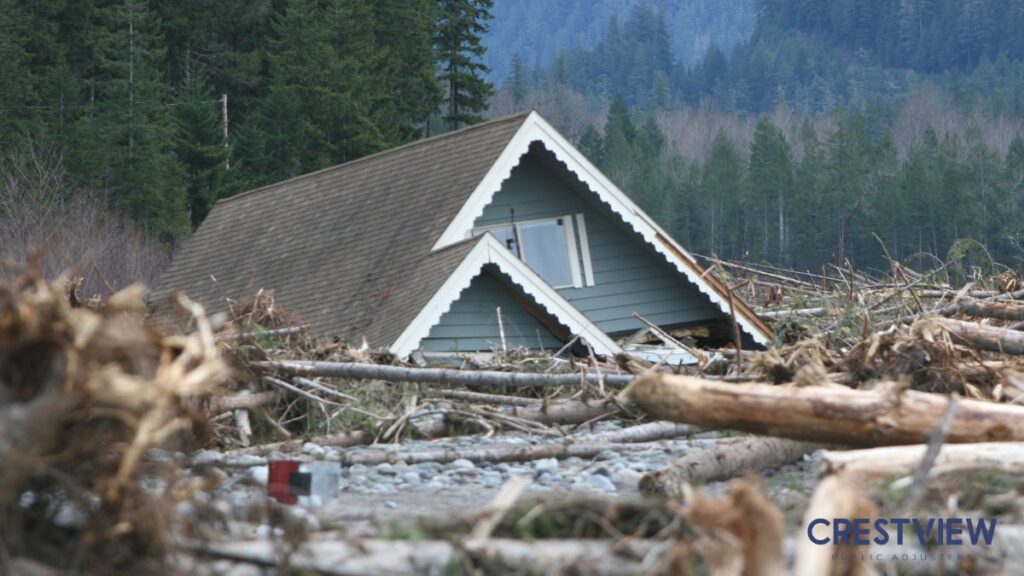
Water damage insurance claim help for interior flooding, roof leaks, and broken supply lines tied to a storm.
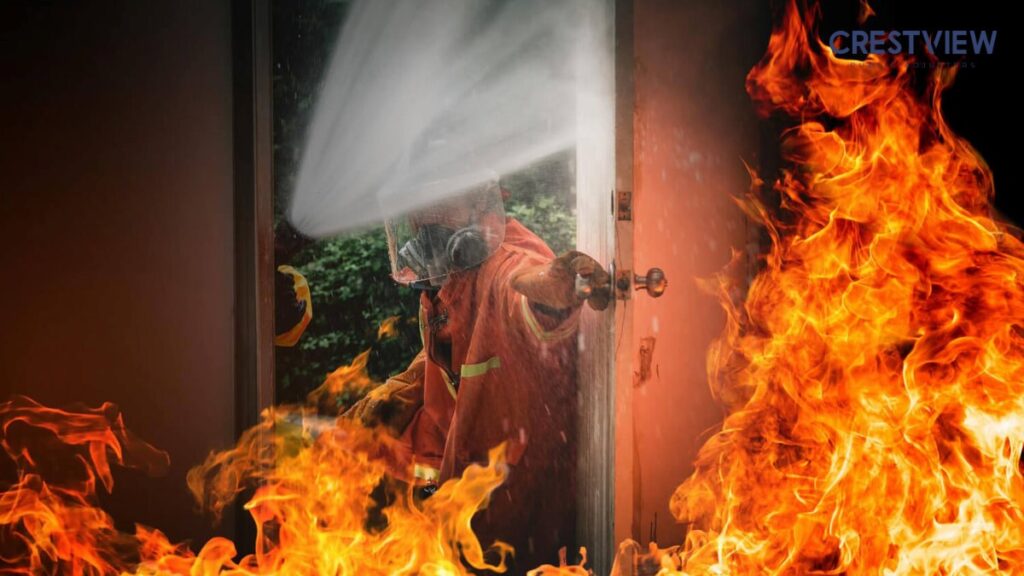
Fire and smoke damage insurance claims when generators, wiring issues, or lightning lead to fires after a hurricane.
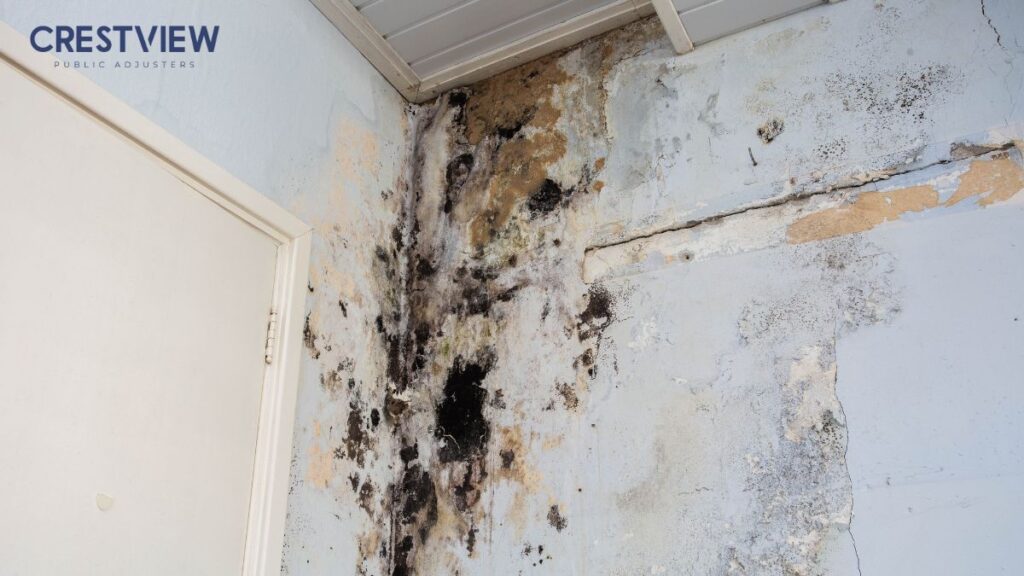

Business interruption insurance claim services when a company loses income or faces extra expenses while repairs are underway.

Help with underpaid insurance claims if a hurricane-related offer seems too low or was partially denied.
These connected services help keep the full picture in view so one event, or a series of storms, does not leave important damage out of the claim file.