
Key Points:
- To handle an insurance claim after vandalism or theft, first report the incident to the police, document the damage with photos and videos, secure the property, and notify your insurer promptly.
- Keep a detailed inventory with receipts, serial numbers, and descriptions.
- Submit a clear claim supported by evidence, including timelines and repair estimates.
Property crime may be trending down overall, but hundreds of thousands of burglaries still happen each year, and they can leave a household or business facing both damage and missing property. Recent FBI data show burglary accounts for just over 13 percent of all property crimes in the United States, with hundreds of thousands of reported incidents in 2023.
Filing a vandalism insurance claim after that kind of shock rarely feels straightforward. You are suddenly trying to protect your rights, answer insurer questions, and repair your space at the same time.
What Happens First After Vandalism or Theft?
Start by checking whether anyone is still inside or injured. Call emergency services if there is any risk. Only once the scene is safe should you move on to documents, photos, and notifications as part of an organized property damage claim process.
Core first steps usually include:
- Call the police quickly. Report the incident as soon as you can safely do so, and wait for instructions before touching damaged areas.
- Avoid cleaning yet. Hold off on sweeping glass, boarding up, or moving items until you have photos and, when possible, after officers have seen the scene.
- Secure doors and windows. After documentation, arrange temporary board-ups or lock changes to prevent the loss from worsening.
- Notify your insurer. Many policies require prompt notice, often within a short window, so an early phone call or online notice helps protect coverage.
Property crime still results in significant financial losses, even as some rates decline. One FBI report estimated an average dollar loss of about $2,661 per burglary, showing how quickly stolen items and damage add up.
How Do You File a Strong Vandalism Insurance Claim?
A strong vandalism insurance claim reads like a timeline backed by proof instead of a set of scattered forms.
Start by opening the claim through your insurer’s phone line or online portal. Then start building a simple claim kit:
- One claim folder. Keep police reports, letters, emails, and receipts in one physical or digital folder so nothing goes missing.
- Timeline log. Note dates and short descriptions for discovery, police visit, temporary repairs, and every insurer contact.
- Photo and video archive. Save images in labeled folders (for example, “Front door damage,” “Living room electronics,” “Cash register area”).
The insurer will likely ask for a formal Proof of Loss statement later in the process. That formal document summarizes what happened, the claimed amount, and the supporting records.
Why Does Police Reporting Timing Matter?
Police reports are often required for theft and vandalism claims, and delays are a frequent source of pushback. Some policies explicitly require a prompt report to law enforcement when property is stolen or deliberately damaged.
When officers respond, ask for details you will need later rather than trying to chase them down afterward. You can usually request:
- Case or incident number. This number links your claim to the official record and often appears on insurer forms.
- Item list section. Ask how to submit or update a list of stolen items, including serial numbers or distinguishing marks.
- Officer narrative. Ensure the report includes signs of forced entry, visible damage, and any witness information.
Clear, timely reporting also helps you avoid common insurance claim mistakes that give the insurer room to question the timeline or suggest the loss did not happen the way you described.

How Should You Handle Photos, Video, and Other Evidence?
Evidence handling can either support your story or create doubt. The more precise your photos, video clips, and witness notes, the harder it becomes for anyone to dispute that vandalism or theft occurred in the way you reported.
Useful documentation often includes:
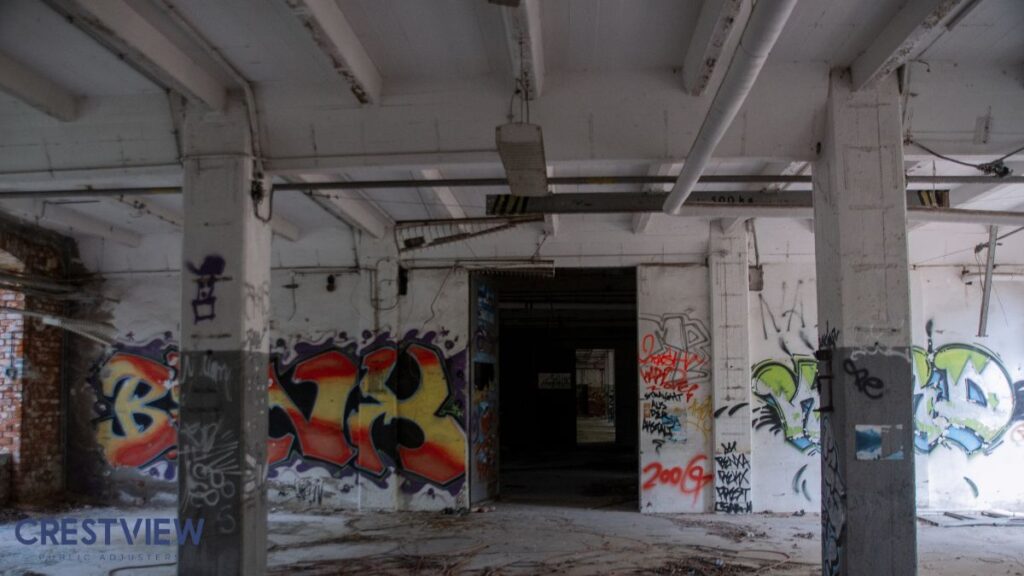
- Scene photos. Wide shots and close-ups of broken locks, shattered glass, graffiti, ransacked drawers, or damaged storefronts.
- Forced-entry details. Images of pry marks, broken frames, damaged deadbolts, or cut padlocks.
- Security footage. Downloaded files, not just links, along with a simple written description of date, time, and what appears in each clip.
- Witness and neighbor notes. Written statements, texts, or emails from people who heard noises, saw suspicious activity, or recorded license plates.
Try to save the original files to a cloud folder or an external drive in case your phone or computer fails later. Evidence stored this way strengthens any theft or vandalism insurance claim and mirrors the way you properly document property damage for an insurance claim before any dispute steps, such as appraisal.
How Do You Build an Inventory and Prove Ownership?
The Insurance Information Institute reports that homeowners’ insurance claims for theft total about $1 billion each year, with average theft claims of around $2,500. That average hides many larger losses for jewelry, tools, electronics, and business equipment.
For each stolen or damaged item, try to compile:
- Receipts and invoices. Pull from email, online retailer accounts, or paper records where possible.
- Serial numbers and model details. Check product labels, warranty cards, and manufacturer accounts.
- Bank and card statements. Highlight transactions that match large purchases when receipts are missing.
- Photos from before the loss. Use family photos, marketing images, or social media posts that show items in normal use.
- Appraisals for high-value items. Jewelry, fine art, or collectibles usually require written appraisals or schedules to be attached to the policy.
List each item with a description, quantity, purchase date if known, and estimated replacement cost so your inventory losses are clear to both you and the adjuster. The more specific your inventory, the more grounded your theft or vandalism claim appears.

What Coverage Limits and Exclusions Catch People Off Guard?
Coverage that looks generous on the declarations page can shrink once sublimits, exclusions, and valuation methods apply. Coverage details to review early include:
- Special limits for categories. Jewelry, watches, firearms, fine art, and business property kept at home each may have separate caps.
- Cash and securities limits. Theft of cash, gift cards, or bearer instruments usually has a very low maximum reimbursement.
- Actual cash value vs. replacement cost. ACV pays the depreciated value, while replacement cost pays the cost to buy new, subject to terms.
- Vacancy and unoccupancy conditions. An extended vacancy can reduce or remove coverage for vandalism in some policies.
- Business versus personal use. Equipment used mainly for business may not be fully covered under a personal homeowner’s policy.
Understanding these pieces early, along with the insurance coverage limits hidden in many property policies, helps you set realistic expectations and identify where you may need to challenge a low interpretation later.
Why Are There Two Tracks in a Theft or Vandalism Claim?
Theft and vandalism losses usually fall into two parallel tracks: damage to the structure itself and loss of personal or business property. Treating them separately helps you avoid gaps.
For the structure track, you might:
- Get repair estimates. Ask licensed contractors or glaziers for written estimates to repair doors, frames, locks, gates, or storefront glass.
- Include temporary measures. Save invoices for board-ups, temporary locks, or emergency glass service.
- Document building codes. If code upgrades are required, note them and check whether your policy includes coverage for ordinances or laws.
For the contents track, you focus on:
- Theft inventory worksheets. Use your item list to support claimed value room by room or department by department.
- Cleaning vs. replacement. Decide whether some vandalized items (for example, painted walls or tagged equipment) can be cleaned or must be replaced.
- Business interruption links. If a business shuts down due to damage, track income loss and extra expenses under any business interruption coverage.
The insurer might send different adjusters or vendors for each track. Staying organized on both sides helps your overall vandalism insurance claim avoid losing important components at settlement.
What If Your Items Are Recovered After Payment?
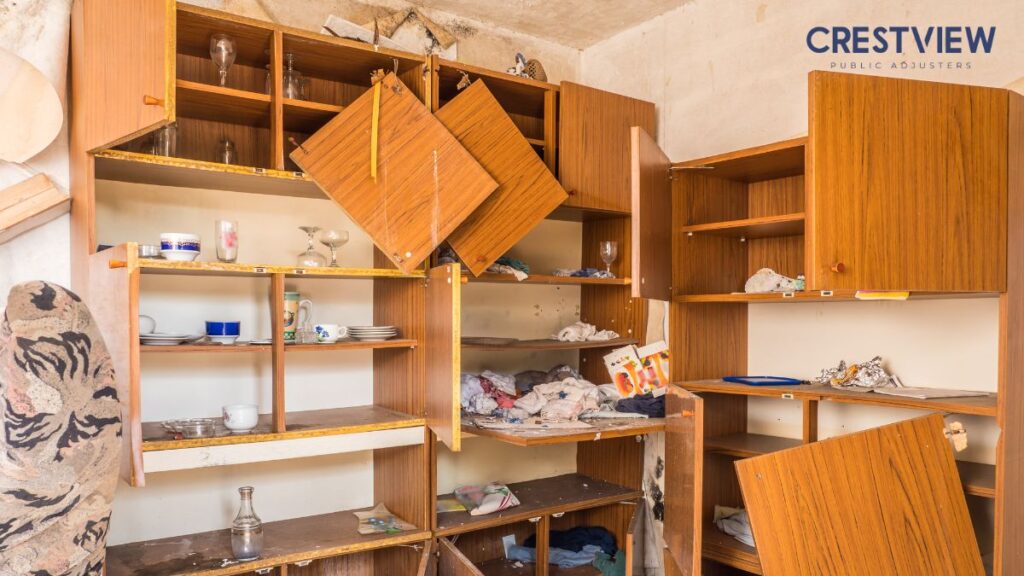
Recovery of stolen items can create confusion when you already have a payment in hand. Common recovery scenarios include:
- Items found before payment. You update your inventory and reduce the claim for anything returned in usable condition.
- Items found after partial or full payment. The insurer may either take ownership of the recovered property or offer you the option to keep it in exchange for a refund of part of the payment or a supplemental insurance claim that corrects the earlier numbers.
- Damaged recovered items. If items come back damaged, you may still be entitled to repair or replacement costs, minus any salvage value.
When police notify you about recovered property, ask for documentation that ties those items to your case number. Share that with the adjuster, along with photos of the current condition. Clear records help everyone adjust the claim fairly without accusations of double recovery.
Frequently Asked Questions
Does insurance cover vandalism caused by tenants or guests?
Insurance may cover vandalism by tenants or guests if the damage is classified as “malicious mischief” by a third party, but most policies exclude intentional acts by insured persons or residents. Landlords typically need a landlord policy. Review who is listed as insured and clarify exclusions with your agent.
Will filing a vandalism or theft claim raise my insurance rates?
Filing a vandalism or theft claim can raise your insurance rates, especially if the payout is large or part of a pattern. These claims are often subject to charges and may trigger surcharges or higher deductibles after repeated filings. Review potential rate impacts with your agent before submitting a claim.
Are cash and gift cards fully covered if they are stolen?
Cash and gift cards are not fully covered if stolen. Most insurance policies cap payouts for these items at a few hundred dollars per loss, regardless of the actual amount stolen. Check the “special limits of liability” section of your policy and consider adding coverage if you store large amounts.
Get Expert Help With Your Vandalism Insurance Claim
Organizing police reports, photos, inventories, and coverage details takes time, especially when you are also trying to repair damage and replace stolen items. Public adjuster services in Florida, New York, and New Jersey help policyholders turn that raw information into a clear claim file and prepare for appraisal or other dispute options when needed.
At Crestview Public Adjusters, we focus on guiding homeowners and businesses through theft and vandalism losses from first notice through settlement review so payouts better reflect the real cost of repairs and stolen property.
Reach out to discuss your situation, walk through your documentation, and see how professional claims management support can improve the outcome of your next vandalism or theft claim.