
Key Points:
- To maximize your hail damage roof claim, document the damage thoroughly with photos, maps, and weather reports, compare insurance estimates with a contractor’s scope, and challenge low offers with code requirements or additional evidence.
- Consider using an appraisal or a public adjuster if negotiations stall.
- Deadlines vary by state, so act quickly to protect your claim and ensure full payment under your policy.
Roof hail can leave you staring at shingles, gutters, and vents that look fine from the driveway but leak during the next storm. Insurers see thousands of hail claims each year, and many start with quick inspections and generic estimates.
A focused hail damage claim strategy helps you turn scattered paperwork, photos, and emails into a clear record that supports a full roof repair instead of a bare-minimum patch.
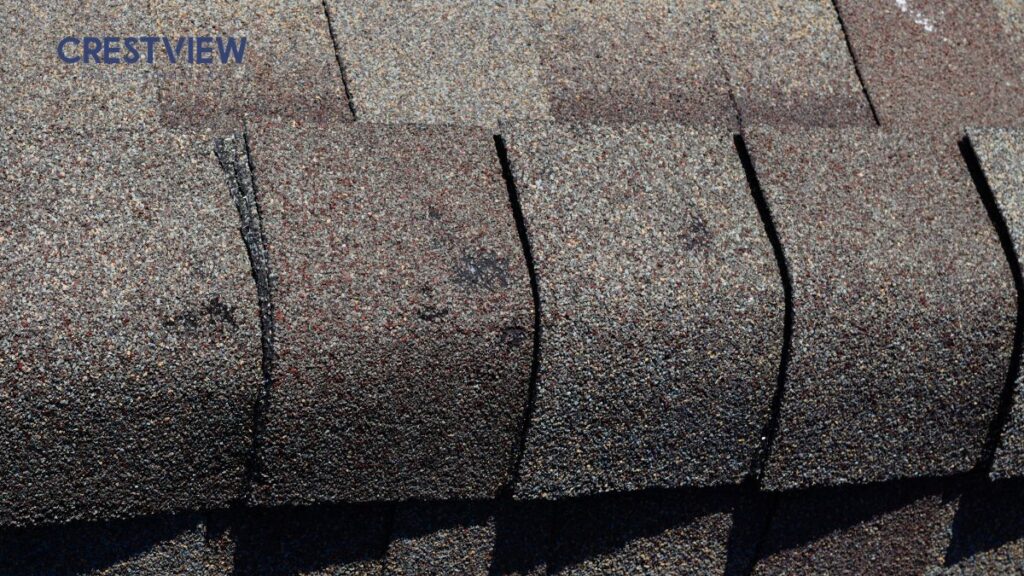
How Does Roof Hail Damage Actually Get Paid?
Roof hail appears in claim statistics more often than most people realize. Over recent years, wind and hail have accounted for the largest share of homeowners’ insurance claims, with about 2.8% of insured homes experiencing a wind or hail loss in a typical five-year period.
For many insurers, hail is the number one driver of roof claims and averages around $11,695 per homeowner’s claim. Most policies handle hail as a sudden, covered peril. The claim still turns on a few core questions:
- Did a hail of at least “severe” size (often 1 inch or quarter-sized) hit your address on the reported date?
- Did that storm cause functional damage to shingles, flashing, vents, or other roof components?
- Does the estimate reflect what local codes and manufacturer instructions require to restore the roof?
Insurers rely on adjuster inspections, photos, and sometimes aerial imagery. At the same time, more than 500,000 hail-related property damage claims hit U.S. carriers each year, which means rapid decisions and pressure to control severity.
A clear record of hail damage, when it happened, and what it will take to fix the roof keeps your file out of the “easy to underpay” pile and reduces the odds of underpaid insurance claims.
Build A Hail-Only Proof Pack For Your Claim
A roof claim lives or dies on documentation. Photos matter, but a strong proof pack goes further by tying them to the specific hailstorm, the parts of the roof that were struck, and the money you actually spent or will spend to restore the home.
Hail often falls in narrow paths. Two houses across the street from each other can see very different damage. That is why weather data and a roof “damage map” help show how hail tracked across slopes, ridges, and accessories, rather than relying on a few close-ups.
Average roof repair costs for hail damage run around $4,250, but can range from a few hundred dollars to more than $7,500 depending on roof type and storm severity, so every detail counts.
For a practical hail-only proof pack, focus on:
- Photo and video record: Capture every slope, ridge, valley, gutter, and metal surface before temporary repairs or tarps go on.
- Roof damage map: Sketch or use a simple app to mark where hits cluster on each slope, skylight, vent, and accessory.
- Hail size and date evidence: Download National Weather Service hail reports or a hail-size chart to show storm size and timing for your address.
- Pre-loss condition: Pull old photos, inspection reports, or real estate listings that show the roof before the storm.
- Receipts and maintenance records: Keep invoices for prior repairs, cleanings, or tune-ups that document your roof’s maintenance.
How A Hail Damage Claim Shapes Your Roof Estimate
Many homeowners see a polished PDF with line items and assume it covers everything. In practice, initial insurance scopes frequently miss code-required work or treat the roof as a simple shingle swap. At the same time, average homeowners’ hail claims land near $12,000, so small gaps in the estimate can translate into high out-of-pocket costs.
A good approach is to set the insurer’s estimate side by side with a licensed contractor’s scope and compare them line by line, the same way you would organize estimates when filing a property damage claim. You are looking for missing tasks, low quantities, or cheaper materials than what your roof actually needs.
Key areas to compare include:
- Full roofing system: Confirm underlayment, starter, ridge, drip edge, and ventilation components match what your home has now or what the code requires.
- Code upgrades: Check whether ice barrier, uplift resistance, or nailing patterns are required by local codes.
- Flashings and accessories: Look for step flashing, counter-flashing, chimney work, pipe boots, skylight kits, and vents that often get under-scoped.
- Detach and reset items: Account for satellite dishes, solar panels, gutters, downspouts, and awnings that must be removed and reinstalled.
- Waste and steep/complex factors: Make sure waste factors, steep charges, and story height adjustments reflect your actual roof layout.
If your contractor identifies gaps, ask them to write a short, factual note tying each correction back to code, manufacturer instructions, or safety requirements. When your file shows that the insurer’s scope leaves out required work, it becomes easier to argue for supplements or to move into appraisal as part of the broader property damage claims process.

When Your Hail Damage Claim Estimate Still Feels Too Low
Even after you provide a contractor estimate and photos, you may see the insurer hold to a lower scope. At that point, the disagreement usually falls into a few buckets:
- Causation disputes: The company calls some damage “wear and tear” instead of hail-related.
- Scope disputes: The adjuster agrees that hail hit the roof, but insists on repairs instead of full replacement.
- Pricing disputes: Labor, material, or overhead rates in the software sit below what local contractors can realistically charge.
Your next move is to decide whether to keep negotiating directly, work with a public adjuster to maximize your insurance payout, or prepare for an appraisal.
Why Is Your First Hail Check So Low?
Many homeowners feel shocked when the first payment check arrives and covers only part of the contractor’s estimate. That is often how the policy is designed to work.
Several factors can make that first check look small:
- Deductible: Wind and hail deductibles can be a flat amount or a percentage of the dwelling limit, which cuts the check before anything else is paid.
- Depreciation: Insurers reduce payment based on the roof’s age and condition, then promise to reimburse the depreciation after the work is done.
- Line-item exclusions: Missing code items, flashing, and accessories shrink the approved scope even before ACV, and deductibles apply.
Contractors sometimes start with critical temporary repairs while you push for scope supplements. When your records clearly show additional damage or missing items, you can request revised estimates and supplemental payments instead of accepting that first number as final on your hail damage claim.
What Deadlines And Forms Control Your Hail Settlement?
Property policies and state laws set clocks that start ticking as soon as you report hail damage. Insurers generally must acknowledge a claim, investigate, then pay or deny within defined timeframes.
In Florida, for example, insurers must pay or deny a property claim within 60 days of receiving notice, unless factors outside their control delay the process. Florida law also now gives homeowners one year to file a new or reopened claim, and 18 months for supplemental claims, shortening what used to be a two-year window.
Timelines and forms to track include:
- Notice of claim: Report roof hail damage as soon as practical, and always within your policy’s deadline.
- Sworn Proof of Loss: Some carriers require a signed, itemized proof of loss statement supported by estimates and receipts.
- Supplement requests: Submit additional documentation for overlooked damage or higher contractor pricing before major deadlines pass.
New York and New Jersey have their own claim-handling standards and complaint processes through state insurance departments. Even when the statute does not set a strict filing deadline, your policy usually does.
When Should You Use an Appraisal For A Hail Dispute?
Appraisal offers a middle ground between endless back-and-forth emails and a full lawsuit. Many homeowners’ policies include an appraisal clause that either side can invoke when there is a dispute about the amount of loss, not about whether the policy covers hail in the first place.
Home insurance guides for consumers describe appraisal as a simplified procedure to resolve disagreements over the value of a property damage claim.
When you demand an appraisal, the process usually looks like this:
- Each party selects an appraiser: You and the insurer each choose an independent appraiser to price the storm damage.
- Appraisers choose an umpire: The two appraisers agree on a neutral umpire who decides if they cannot.
- Costs are shared: Each side pays its own appraiser and splits the umpire’s fee, which can run into thousands of dollars on large roof claims.
- Award is issued: Any two of the three (both appraisers or one appraiser plus the umpire) sign an award that usually becomes binding on the amount of loss.
Appraisal often wraps up in a few months, which is usually faster than litigation, and keeps the fight centered on pricing and scope instead of legal technicalities. It can be helpful for significant underpayments where your documentation and contractor estimate are strong, your hail damage claim value is far above the deductible, and both sides agree the loss is covered.
How Contractors And Public Adjusters Support Roof Hail Claims
When roof hail damage gets complicated, roofing contractors, engineers, and a public adjuster for roof claim all play different roles:
- Contractors handle repair methods, materials, and labor.
- Engineers may weigh in when there are structural concerns or arguments about whether hail cracked shingles enough to justify replacement.
- Public adjusters work for policyholders on documentation, estimates, and negotiations.
Choosing help becomes especially important in states with heavy hail exposure, where premiums and deductibles keep rising. Industry analyses show hail now accounts for 45.5% of homeowners’ claims nationally, at an average cost of $11,695 per claim, so insurers watch these files closely.
Having experienced professionals on your side levels that playing field without rushing straight into court.
Frequently Asked Questions
How long do I have to file a roof hail claim?
You typically have 1 to 2 years to file a roof hail claim, but exact deadlines vary by state and policy. Some states limit new claims to one year, while others allow more time. Always report damage promptly and confirm your deadlines from your policy and the state insurance department.
Will a hail claim on my roof always increase my insurance premium?
A hail claim on your roof may increase your insurance premium, but not always. Insurers already factor in regional hail risk, and a single, valid claim typically impacts rates less than repeated claims. Premium changes depend on your insurer’s policies, so confirm how surcharges and renewals are handled.
What if my roof looks fine from the ground after a hailstorm?
Your roof may still have hail damage even if it looks fine from the ground. Hail can bruise shingles and loosen granules without visible signs. If quarter-size hail hit your area or neighbors are getting inspections, arrange a professional inspection and document early to protect future claim options.
Get Support To Strengthen Your Roof Hail Claim
Handling a serious roof hail loss on your own can feel like a second job. A focused strategy around proof, estimates, deadlines, and appraisal keeps you from signing off on a settlement that does not match the real repair cost.
Public insurance adjusting and claims management services in New York, Florida, and New Jersey help homeowners organize evidence, compare scopes of work, and pursue fair payment for complex storm losses.
At Crestview Public Adjusters, we support policyholders through inspections, documentation, and negotiations so they understand each step and know what to expect from their insurer. If your roof hail payment feels too low or your claim is stalled, reach out to discuss your file and see how a dedicated team can help you pursue the payout your coverage already promises.