
Key Points:
- Handle a frozen pipe insurance claim by stopping the water, documenting damage, and confirming policy coverage for sudden pipe bursts.
- Photograph all affected areas, gather plumber and repair records, and submit a claim promptly.
- Strengthen your case with detailed proof, accurate repair estimates, and a clear timeline of events.
Frozen pipes rarely feel like a “small” problem. One minute you have a cold snap, the next you are staring at wet ceilings, ruined floors, and a policy you are not sure will help. When a pipe bursts, the goal is simple: stop the damage, follow a clear water damage claim process to file a strong claim, and show your loss is covered without getting pushed into a low payout.
A clear process helps you stay calm and organized. Up ahead, we’ll discuss the steps for safety, documentation, policy language, and handling insurer problems so your frozen pipe insurance claim is clearly supported.
Step 1: Make the Home Safe Before You Think About Claims
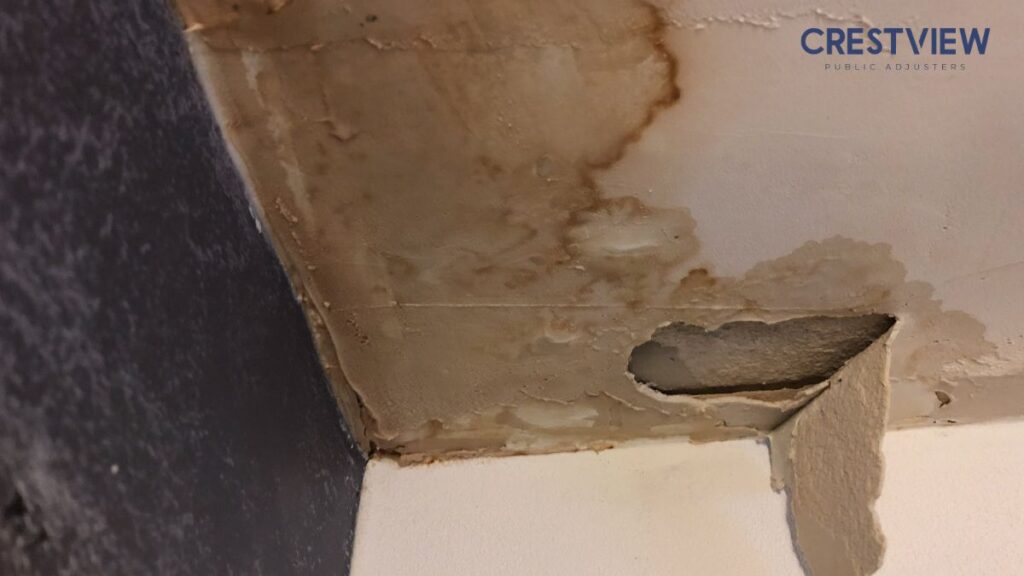
Safety and damage control come first. Even a small crack in a frozen pipe can release up to 250 gallons of water a day and soak your space, from furniture to ceilings, floors, and walls.
Start by cutting off the source and keeping people out of danger. Once the area is safe, you can shift to building the record that will support your water damage claim later.
Key actions in this first hour often include:
- Shut off the main water valve. Stop new water from entering the broken line.
- Turn off the power to wet areas. Flip breakers for rooms with soaked outlets or wiring.
- Move items out of standing water. Get rugs, boxes, and electronics to dry spaces.
- Take quick photos before cleanup. Even early phone shots can show how bad it was, and help you get the burst pipe insurance you may need.
If pipes are still frozen but have not burst, a licensed plumber can thaw them safely. Typical thawing visits run around a $100 flat fee, with extra charges if repairs are needed.
Step 2: What Does Your Policy Say About Frozen Pipes?
Once things are stable, attention turns to coverage. Most homeowners and commercial policies answer the question “Does homeowners insurance cover frozen pipes?” by covering damage from a burst pipe when the loss is considered “sudden and accidental” and the building was reasonably heated.
Reading the policy can feel tedious, but it explains how to frame your loss, especially when winter storm water damage is involved, including a pipe break.
Focus on sections like:
- Perils covered. Look for language on “sudden and accidental discharge” from plumbing.
- Exclusions. Watch for limits tied to long-term leaks, poor maintenance, or vacant homes.
- Duties after loss. Note your responsibilities to protect property and report damage promptly.
- Special limits. Check for caps on certain finishes, built-ins, or personal property.
Water and freezing issues are common. National figures show that about 1 in 67 insured homes has a property damage claim due to water or freezing.
Knowing how your policy handles frozen pipes helps you speak the same language the insurer uses when reviewing your claim.
Step 3: Build a Frozen Pipe Insurance Claim Record
After you understand the basics of coverage, the next job is proof. A strong frozen pipe insurance claim shows what happened, where the water went, and the cost to repair.
Think in layers:
- Visual proof. Take photos and videos of the broken pipe, ice, water trails, stains, and damaged belongings.
- Room-by-room notes. Write down which rooms were affected, how high the water went, and what had to be moved or thrown away.
- Professional reports. Ask the plumber to describe the cause and timing of the break in writing.
- Mitigation records. Save invoices for dry-out work, fans, dehumidifiers, and temporary repairs.
You can also keep a simple log that shows dates, actions, and people involved. That log might include:
- Date and time you first saw the leak.
- When you shut off water and power.
- When a plumber or mitigation crew arrived.
- Any new damage discovered as walls or floors were opened.
These details help show the loss was sudden, that you acted quickly, and that costs are directly tied to the burst pipe.
Step 4: File the Claim and Prepare for the Adjuster Visit
When you feel ready, contact the insurer and report the loss. Have your policy number, contact details, and a short description of the event.
When submitting the first notice call or an online claim form as you are handling water damage claims, keep your wording simple. You do not have to guess at technical causes. It is enough to say things like “pipe in the kitchen ceiling froze and burst, water leaked into the living room and basement.” The detailed story can come later with your photos and reports.
Before the adjuster visit:
- Organize your file. Put photos, plumber reports, and invoices in one folder.
- Walk the property yourself. Make a list of rooms, surfaces, and contents that were damaged.
- Flag hidden areas. Note any soft spots, bulging drywall, or musty odors that might indicate moisture inside the walls.
- Decide who attends. Plan for a family member or trusted person to be there with you.
During the visit, walk the adjuster through every affected area. Point out both obvious and subtle damage, and ask them to confirm what they are including in their scope.
Step 5: Compare Estimates and Watch the Numbers
After an inspection, the insurer will usually send an estimate and an initial payment. This is where many people realize they need burst pipe claim help because the numbers seem low compared to what contractors are quoting.
Take a calm, detailed approach:
- Read the scope line by line. Look at each room, square footage, and material type.
- Compare with local bids. Ask licensed contractors for their own estimates on demolition and repairs.
- Check for missing items. Look for skipped rooms, insulation, trim, or built-in cabinets that were clearly wet.
- Review personal property. Make a list of damaged furniture, electronics, and clothing with approximate prices.
Water losses are expensive, and the average insurance payout for water damage can still fall short of what it takes to repair everything properly. Recent analyses estimate the average water damage claim payout at $7,000 to $12,514, depending on severity and coverage.
If your offer looks far below what it will actually cost to fix everything, documentation and competing estimates help you make a stronger case.
Step 6: Dispute Delays, Denials, and Partial Payments
Sometimes the problem is not the first check but the reasons behind it, such as the top reasons water damage claims are denied. Carriers may suggest the damage came from long-term leaks, poor maintenance, or leaving the home unheated.
Guidance from state agencies notes that coverage for burst pipes often assumes that you kept the heat on reasonably and took steps to protect the property. If your frozen pipe insurance claim is denied or underpaid, take a structured approach instead of giving up.
Helpful responses include:
- Ask for the denial or reduction in writing. Get the exact policy language they are relying on.
- Answer with facts. Share thermostat settings, utility bills, and recent repair records that show you maintained the property.
- Highlight the timeline. Show when the loss was discovered, reported, and mitigated.
- Send your own estimate package. Include contractor bids, contents lists, and photos.
You can also escalate within the company, request a supervisor review, or use formal complaint channels with your state insurance department if communication breaks down.
Step 7: Connect Frozen Pipes to Winter Storm Water Damage
Cold snaps and storms often bring more than one problem. A pipe can burst at the same time ice dams form on the roof or wind tears at shingles. Grouping everything under one label can confuse coverage and slow your winter storm water damage claim. This can lead to costly frozen pipe and ice dam claim mistakes.
A more helpful approach is to:
- Separate causes in your notes. Keep roof leaks, window leaks, and pipe breaks in their own sections.
- Show how water moved. For example, ceiling stains under an ice dam versus floor damage near a plumbing line.
- Track each contractor’s work. Note which repairs are tied to plumbing, roofing, or structural work.
Water-related losses are already common. From 2016 to 2020, about 1 in 60 insured homes filed a claim related to water damage, and nearly 20% of home insurance claims were tied to water or freezing.
Clear records help the insurer apply the right parts of the policy to each part of the damage.
FAQs About Frozen Pipe Insurance Claims
Does insurance pay for frozen pipe damage?
Yes, insurance usually pays for frozen pipe damage if the burst is sudden and you maintained heat in the property. Most policies cover the resulting water damage but may limit payment for pipe repair. Coverage exclusions often apply to long-term leaks or unheated homes, so review your policy closely.
How much does it cost for someone to unfreeze your pipes?
Thawing frozen pipes typically costs around $100 for basic service, with higher fees for emergency calls or complex access. If the pipe is cracked or burst, total repair costs often range from $250 to $500 or more, depending on the extent of damage, labor, and cleanup needs.
How much damage can frozen pipes cause?
Frozen pipes can cause extensive damage. A crack as small as one-eighth of an inch can release as much water to soak floors, drywall, and belongings. Without fast drying, mold and structural problems follow. Insurance claims from frozen pipe damage often exceed $10,000.
Get Help With Complex Frozen Pipe Claims
Handling cleanup, contractors, and paperwork simultaneously is exhausting. Public adjuster services in Florida, New York, and New Jersey help policyholders organize photos, contractor estimates, and moisture reports so the full scope of frozen pipe and burst pipe claim help needs appear in the file.
At Crestview Public Adjusters, we focus on guiding homeowners and businesses through frozen pipe losses and related water damage claim issues, from first notice through settlement review, so payouts better reflect the real cost of repairs and damaged property.
Reach out to us, and let’s discuss your situation, review your documentation, and see how experienced claims management support can strengthen your next frozen pipe insurance claim.