
Key Points:
- In the first 48 hours after property damage, prioritize safety, shut off utilities, and arrange temporary housing if needed.
- Homeowners then document every room with photos, video, and inventories before cleanup and contact their insurer to open a claim.
- Tracking receipts for temporary repairs and living expenses protects reimbursement.
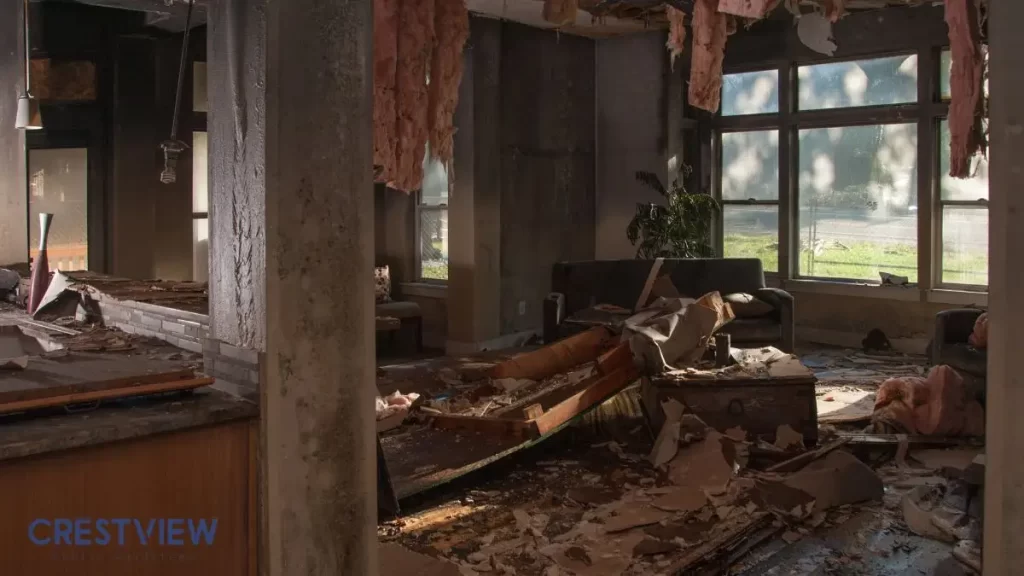
Waking up to water pouring from the ceiling or stepping into a smoke-filled hallway can shake anyone. The first 48 hours after property damage are also the time when every decision affects your safety, your costs, and your insurance claim. Mold can start forming on wet materials within 24 to 48 hours if they are not dried, and evidence can disappear just as fast.
In this guide, you get a clear property damage emergency checklist that explains what to do after property damage caused by fire, water, storms, floods, or mold.
Step 1: Prioritize Safety Before Anything Else
Safety should guide every step in the property damage claims process. Before you think about photos or forms, make sure you and your household are safe to stay on or near the property.
If there has been a fire, explosion, or major structural impact, wait until fire officials, utility crews, or building inspectors confirm that it is safe to re-enter. For water or flood events, be cautious when entering rooms with standing water, as live electrical lines or appliances may still be active.
Practical first steps after a disaster:
- Check the structure before entering. Look for sagging ceilings, leaning walls, buckled floors, and strong smoke or gas smells.
- Turn off the power to affected areas. Switch off breakers that control rooms with standing water or heavy moisture.
- Watch for gas and utilities issues. If you smell gas or hear hissing, leave immediately and contact your gas provider or emergency services.
- Arrange safe temporary housing. Stay with family or in a hotel if the home feels unsafe or unlivable.
Many homeowners’ policies include additional living expenses (ALE) coverage, which can pay for hotel stays, meals, and other costs when a covered loss makes your home uninhabitable. Keep every receipt from day one so you can claim those costs later.
Step 2: Stop The Damage From Getting Worse
Most policies expect you to mitigate property damage quickly. If you do nothing while water keeps flowing or openings let in more rain, the insurer can argue that later damage is avoidable and reduce what they pay.
For a water damage claim after a leak or flood, work on stopping water at the source and drying what you safely can.
Ways to prevent further property damage:
- For leaks and burst pipes. Shut off the main water supply, open faucets to relieve pressure, and use towels, buckets, and wet/dry vacuums to remove standing water.
- For storms and fire damage. Board up broken windows and doors. Cover roof openings with tarps to keep rain and debris out.
- For mold growth after water damage. Start drying wet materials as soon as possible.
Temporary repairs after property damage are expected. Avoid permanent repairs such as a full roof replacement or ripping out all finishes until there has been an insurance adjuster inspection, unless there is a direct safety or health risk. Always document the condition before and after any temporary work.
Step 3: Document Every Inch Of The Loss
Strong post damage documentation protects your claim long after the debris is cleared. In many homes, the step that has the most impact on the final payment is how well you document property damage for insurance in these early hours.
Start with photos and video before you move items or clean:
- Take wide shots first. Stand in each corner of every affected room and take wide photos that show the full scene.
- Add close-ups with scale. Photograph specific damage with a ruler, coin, or tape measure nearby so the size is clear.
- Include labels and serial numbers. Capture model tags on appliances, electronics, and HVAC equipment.
- Record a video walkthrough. Walk through each room and narrate what happened, what you see, and any smells or sounds.
Next, build a contents inventory and keep a separate log for building damage:
- List damaged personal items. Include description, approximate purchase date, and estimated replacement cost.
- Note structural damage. Describe damaged walls, floors, roofs, windows, and built-in fixtures.
- Save samples when possible. Keep pieces of flooring, carpet, or countertops to show original quality.
Ready.gov recommends documenting all damage with photos and lists before cleaning up and saving every receipt for repair and cleanup costs. Label digital photos by room, damage type, and date. That level of detail makes it harder for an adjuster to overlook parts of your claim weeks later.
Step 4: Contact Your Insurance Company Quickly
Once everyone is safe and basic mitigation is underway, the next part of your property damage emergency checklist is to start emergency claim filing.
When you call the 24/7 claims line:
- Have basic details ready. Policy number, date and time of the loss, type of event, and a short description.
- Describe a clear event. Explain what happened in simple terms, such as a sudden pipe burst or windstorm, rather than long-term “leaks” or “wear,” if the facts support that.
- Ask procedural questions. Ask about your deductible, whether ALE is available, how emergency claim procedures work, and whether temporary repairs are reimbursable.
- Write down every contact. Keep a log with date, time, the name of the person you spoke with, and what they said.
This first call creates your First Notice of Loss and formally opens your claim. The National Association of Insurance Commissioners notes that companies often have deadlines for reporting claims and encourages policyholders to contact the insurer as soon as possible after a disaster.
Step 5: Review Your Policy Before The Adjuster Visit
One of the most useful immediate steps after fire damage, water intrusion, or storm damage is to read your policy before your first visit.
Focus on these sections:
- Declarations page. This summary shows your coverage limits, deductibles, and important endorsements or exclusions.
- Coverage types. Look at dwelling coverage, personal property coverage, and loss of use or ALE.
- Replacement cost vs actual cash value. Replacement cost pays what it takes to rebuild or replace at today’s prices, while actual cash value subtracts depreciation.
- Deadlines and proof of loss documentation. Note any requirement to submit a sworn proof of loss within a set number of days, and any time limit for filing suit if there are disputes.
When you understand your coverage terms, you can ask better questions and catch gaps in the estimate.
Step 6: Make Temporary Repairs And Secure The Property
After the first contact with your insurer, continue to mitigate property damage quickly while keeping good records. Most companies expect you to secure the building so there is no ongoing exposure to weather, theft, or vandalism.
Typical temporary repairs after property damage:
- Secure openings. Board up broken windows and doors and add locks or braces where needed.
- Protect the roof. Use tarps or temporary coverings over damaged roof sections to keep out rain.
- Remove standing water. Arrange for water extraction, drying equipment, and dehumidifiers if needed.
- Call qualified help. Contact licensed restoration or remediation companies for specialized cleanup.
Do not throw away damaged materials or contents unless there is a clear health risk. If you must dispose of items, photograph them from several angles first.
Step 7: Track Out-Of-Pocket Costs From Day One
In many homes, the first 48 hours after property damage are when the largest out-of-pocket expenses start. Hotel nights, meals away from home, extra fuel, and emergency supplies can add up long before any check arrives from the insurer.
To keep emergency claim procedures smooth:
- Create a dedicated folder. Use a physical folder or a digital one on your phone or computer.
- Save every receipt. Include receipts for lodging, food, clothing, cleaning supplies, fuel, parking, and pet boarding.
- Log extra mileage. Record trips related to the loss, such as driving to a hotel, store, or contractor.
Why The First 48 Hours After Property Damage Shape Your Expenses
Most homeowners policies treat these items as additional living expenses when you cannot stay in your home after a covered loss. A 2025 study of property claims found that the average homeowner waits about 44 days from first notice of loss to final payment. Careful records in the early days help you recover more of what you spent during that long repair cycle.
Step 8: Decide If You Need A Public Adjuster
Some claims are simple enough to handle alone. Others involve complex damage, high repair costs, or an underpaid insurance claim in which the first offer does not match the actual loss. In those situations, many owners choose to bring in a licensed public adjuster.
Situations where extra help can be useful:
- Major fire or structural damage. Multi-room or multi-story damage that requires several contractors and engineers.
- Severe water, mold, or flood events. Losses where mold growth after water damage, contamination, and hidden damage are likely.
- Large commercial or rental properties. Claims that affect rental income or business operations.
- Denied or low offers. Cases where the insurer disputes coverage or the estimate seems far below contractor bids.
A public adjuster works only for the policyholder. They can review your policy, organize proof of loss documentation, prepare their own estimate, attend the insurance adjuster inspection, and negotiate the settlement on your behalf.
48-Hour Property Damage Checklist At A Glance
During the first 48 hours after property damage, you cannot do everything at once, but you can follow a clear order.
- Start by protecting safety and moving everyone to a stable place.
- Stop active water or weather from causing more harm, and begin drying and securing the building.
- Document every room and item before cleaning up, then notify your insurer and keep a written log of every call.
- Review your policy, make temporary repairs with receipts, track all out-of-pocket costs, and decide whether you want a public adjuster involved early in the claim.

FAQs About Property Damage Claims
How long should a property damage claim take?
The property damage claim timeline typically ranges from 30 to 60 days for standard residential losses with clear documentation. Industry data shows an average payout time of about 44 days from the first notice of loss. Large fire, structural, or catastrophe claims often take several months to resolve due to inspections and disputes.
What are the 4 major classifications of property damage?
The 4 major classifications of property damage are structural damage, contents damage, loss of use, and environmental or secondary damage. Structural damage affects the building itself. Contents damage impacts personal belongings. Loss of use covers temporary housing costs. Environmental damage includes mold, smoke, soot, or contamination.
How do you settle a property damage claim?
You settle a property damage claim by submitting detailed photos, videos, inventories, and independent contractor estimates that document the full scope of loss. Compare the insurer’s estimate, line by line, and dispute any missing or undervalued items in writing. Request reinspection if needed and avoid signing a final release until all damage is resolved.
Protect Your Claim In The First 48 Hours
The early hours after a fire, burst pipe, or storm are stressful, but they are also when safety checks, quick mitigation, good documentation, and early contact with your insurer set the tone for the entire claim.
Crestview Public Adjusters helps property owners in Florida, New York, Pennsylvania, and New Jersey handle fire, water, storm, mold, and other serious losses from the first call to final payment. Our licensed team focuses on documenting the full scope of damage, organizing your claim file, and negotiating for a settlement that reflects the real cost to rebuild or repair.
If you are still sorting through repairs and offers, reach out to us for a claim review, and let our team guide you through your next steps and speak with the insurance company on your behalf.