
Key Points:
- Florida hurricane insurance claims often depend on whether the loss is classified as wind or flood.
- That decision affects coverage, deductibles, and proof.
- Owners should separate each damage type, document how water entered, and keep photos, receipts, and claim records.
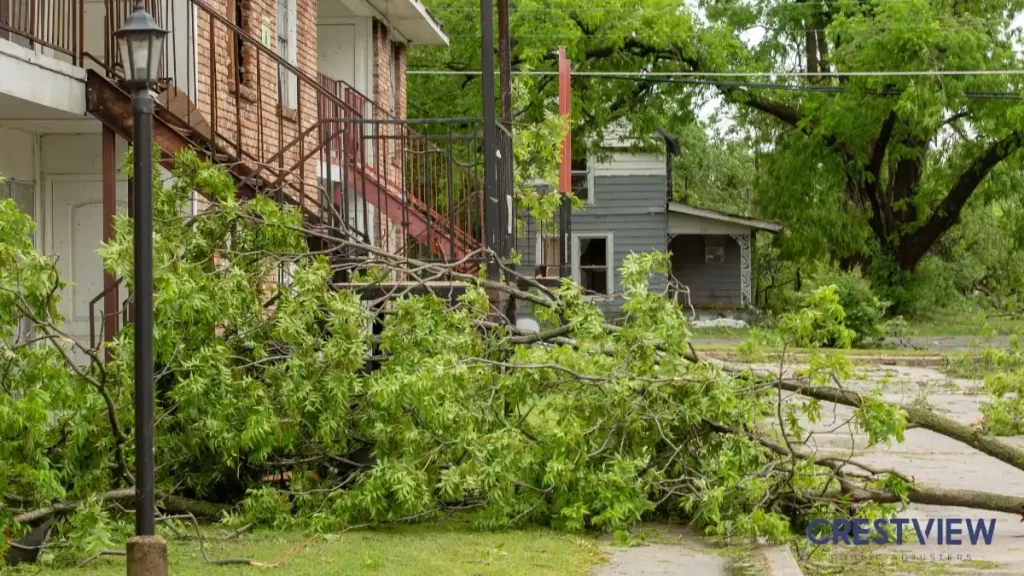
A big storm can hit a home from every angle. Shingles fly off, rain pours through gaps, and water rises from the ground all at once. This is why Florida hurricane insurance claims get messy fast. You might face two different deductibles or two separate claim processes for a single storm.
For owners in Florida and New York, the big question isn’t just about how bad the damage is. It is about what caused each specific part. The answer determines your deductible, which policy applies, and the proof you need to collect right away.
Why One Storm Can Turn Into Two Coverage Questions
Hurricanes bring wind and water together, but insurance treats them as separate problems. Wind damage usually falls under a homeowners policy. Flood damage, like storm surge, typically does not. Most people need a separate flood policy for that storm-related water damage.
A simple way to picture it is this:
- Top-down water. Rain that gets in after wind damages the roof, siding, or windows may be covered under the property policy.
- Bottom-up water. Water that rises from the ground, overflows into the home, or comes in as storm surge usually points to flood coverage instead.
The same storm can break a second-story window (wind) and flood the first floor (flood). Each part of the loss is handled differently.
Florida Hurricane Insurance Claims Often Turn on the Deductible First
For many owners, the first surprise is the hurricane deductible. It is often not a flat amount like a regular $1,000 deductible because coverage limits can change the math. In Florida, insurers must offer hurricane deductible options of $500, 2%, 5%, or 10% of the dwelling or structure limit, with special rules for some higher-value homes.
How Timing and Annual Limits Impact Your Claim
The timing rule also catches people off guard. In Florida, the hurricane deductible period begins when a hurricane warning is issued for any part of the state and ends 72 hours after the last hurricane watch or warning ends. The deductible also works on an annual basis with the same insurer or insurer group, so one storm earlier in the year can affect how a later claim is handled.
Why Filing a Claim Matters for Small Damage
Filing a hurricane insurance claim in Florida can be smart even if the damage looks minor at first. Hidden issues often show up later, and that first claim helps you meet your deductible record for the entire season.
Recent data shows why this is so important. For Hurricane Helene, 33% of closed claims with no payment were below the deductible, and 20% were denied as flood. For Hurricane Milton, 41% were below the deductible. These numbers show how much the “flood vs. wind” label shapes your results.
Wind Damage, Wind-Driven Rain, and Flood Damage Are Not the Same Thing
Florida hurricane insurance claims often depend on how clearly you can separate the damage.
Often Filed Under Homeowners Policy
- Missing shingles or torn roofing
- Broken windows and siding damage
- Debris impact
- Rain that entered through a storm-created opening
Often Filed Under Flood Coverage
- Rising water or storm surge
- Overflow or outside water moving into the building
Common Fight Points
- Wind hits the building first, then water enters.
- The insurer calls it a flood, while the owner says the storm opened a path for rain.
- Mixed damage in the same room makes the file harder to sort out.
New York Owners Need to Check the Flood Gap Before the Next Storm
New York owners face the same split. Homeowners and flood policies are separate things. Keep in mind that most NFIP policies have a 30-day waiting period. Waiting until a storm is already close is usually too late.
New York flood coverage goes up to $250,000 for the building and $100,000 for contents. Coverage for basements or crawlspaces is often limited. In coastal areas like NYC, Long Island, and Westchester, hurricane deductibles can be 1% to 5% of the insurance amount.
It pays to check this before filing a tropical storm property damage claim in NY or a storm surge insurance claim in New York. A key number to remember: 32% of flood claims come from outside high-risk areas. Flooding is not just a coastal problem.
What Florida Hurricane Insurance Claims Need to Show After the Storm
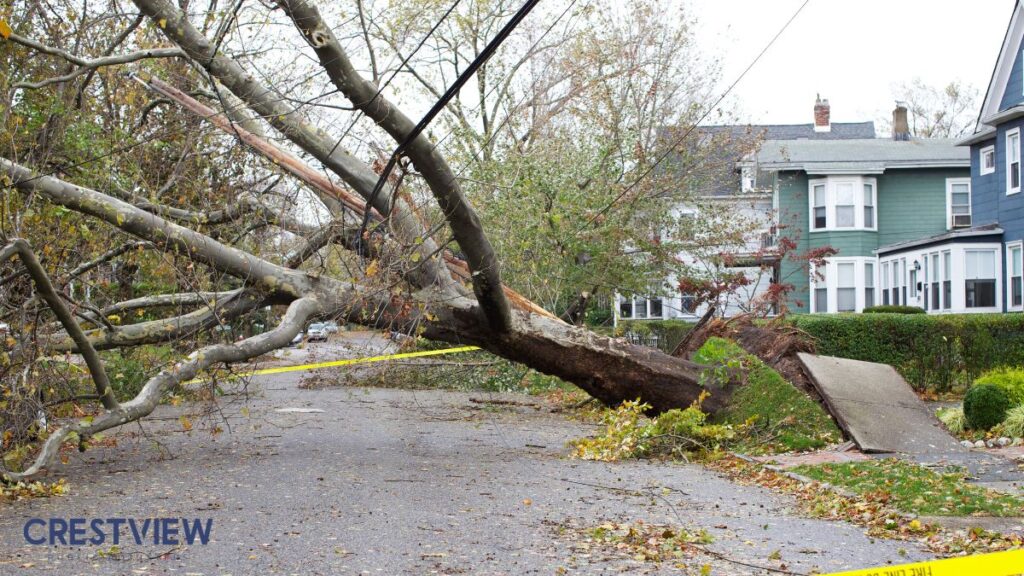
Good proof can change your whole experience. A claim is stronger when you show where the damage started and how the water moved.
What Florida Hurricane Insurance Claims Should Document Right Away
Start outside, then move inside.
- Exterior Proof: Roof slopes, missing shingles, broken windows, and water lines on the outside walls.
- Interior Proof: Ceiling stains, wet drywall, warped floors, and damp closets.
- Cause Clues: Note where the water came in, where it rose, and which rooms were hit first.
- Timeline: When you first saw the damage and when you took photos.
- Money Records: Tarping invoices, repair estimates, and hotel receipts.
- Communication: Keep notes of claim numbers, adjuster names, and call dates.
Just one inch of floodwater can cause $25,000 in damage. It is vital to document water damage by photographing water lines and damaged items before cleaning up. If a claim feels wrongly labeled, a Florida hurricane damage public adjuster can help sort the proof by cause.
When a Denial or Low Offer Points to a Framing Problem
A low check or an underpaid insurance claim does not always mean the damage was minor. It often means the loss was labeled in a way that limits the policy.
Common Trouble Points:
- Damage listed as “below deductible” despite high repair costs.
- “Flood exclusions” when you expected wind coverage.
- Late notice or weak photos.
- Lumping all damage together instead of separating it by cause.
Florida reports show that deductible math and flood denials are the main reasons claims close without payment. If a hurricane claim denied in Florida feels wrong, the issue might be how the loss was framed and documented. A public adjuster for hurricane damage can help review those details.

FAQs About Hurricane and Tropical Storm Insurance Claims
Should you file a hurricane claim if the damage looks below the deductible?
Yes. Hidden damage often appears later. Also, in Florida, filing counts toward your annual deductible if another storm hits the same year.
Does flood insurance cover basement damage after a storm?
Flood insurance can cover some basement damage, but basement coverage is limited. Standard NFIP rules place restrictions on basements, crawlspaces, and some ground-level enclosures, so owners should review the policy before assuming the full lower level will be paid.
How long does it take for flood insurance to start?
Usually 30 days. Most NFIP flood insurance policies do not begin right after purchase, so owners often cannot wait until a storm is already close before buying coverage. That waiting period is one of the biggest flood insurance mistakes property owners make.
Protect Your Claim
Storm losses split into wind, rain, and flood, and that split changes your out-of-pocket costs. Good photos and records protect you more than you might expect.
At Crestview Public Adjusters, we help property owners sort out storm damage, document the loss, and push back when the insurer’s labels do not match the facts. We work with owners in New York, New Jersey, Pennsylvania, and Florida.
If you need help reviewing proof, checking a low offer, or separating wind from flood, reach out for a claim review.