
Key Points:
- Condo association vs unit owner insurance claim questions usually depend on where the damage began and what the condo documents say.
- The association often handles shared building damage.
- The unit owner’s policy may cover interiors, belongings, upgrades, and living costs after a covered loss.
A condo loss can get quite messy and confusing. When a roof leak, burst pipe, or storm hits, it often damages the building and your personal space at the same time. This is when the finger-pointing starts.
The board might tell you to file with your own insurance, while your insurance company says the association should pay. That is why a condo association vs unit owner insurance claim is rarely about just one policy.
Getting a clear answer in a water loss claim usually comes down to four things: where the damage started, what part of the property was hit, what the condo documents say, and what each policy actually covers. Once you sort through those pieces, the process becomes much easier to follow.
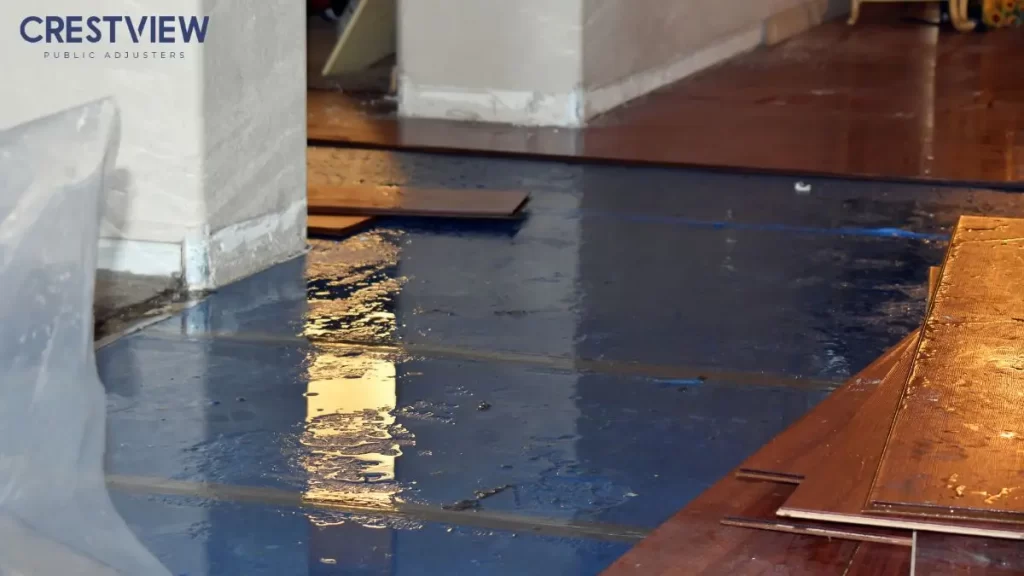
Condo Association Vs Unit Owner Insurance Claim: Start With The Two Policies
Most situations involve two different insurance buckets:
- The association’s master policy generally handles the building and common areas. This includes the roof, exterior walls, hallways, stairwells, and shared utility systems.
- Your personal HO-6 policy covers what is inside your unit. In New York, these policies typically cover your belongings, interior walls, and any upgrades you have made. New Jersey guidelines note that your coverage usually includes personal property and “loss of use” if you cannot stay in your home.
That split is the core of the condo master policy vs HO6. Keep in mind that standard policies usually do not pay for storm water intrusion, so separate coverage is often needed.
Why The Condo Documents Change The Answer
Two buildings can have the exact same leak and still end up with different results. The policy is only part of the puzzle. The condo documents draw the line between where the building’s responsibility ends and yours begins.
The papers worth checking include:
- The declaration or master deed
- The bylaws
- The association’s certificate of insurance
- Your personal policy declarations page
- Any extra coverage add-ons (endorsements)
These documents explain what counts as a common element versus a part of your unit. This helps decide which policy applies, as New York rules require clear disclosure of who is responsible for what.
What The Association Often Pays For After Water Or Storm Damage
If a storm hits the building first, the association’s policy is usually the starting point. This is why many condo building vs owner insurance NJ questions begin with the roof.
The association often handles damage to:
- The roof
- Exterior walls and windows
- Hallways, lobbies, and stairwells
- Shared plumbing lines or mechanical systems
- Damage that starts in a common area and spreads into several units
Storms are a major factor here. In 2023, wind and hail caused 42.5% of all property losses, which is why roof and exterior damage often trigger building-level questions first.
That does not mean the association pays for everything. While a roof failure might trigger the building policy, damaged items inside your unit may still fall under your own insurance.
What The Unit Owner Often Pays For Inside The Condo
Inside the unit, the owner’s policy often carries more of the weight. That may include items attached to the unit, belongings you own, and extra living costs after a covered loss.
Common examples include:
- Flooring
- Cabinets
- Paint and wall finishes
- Appliances and fixtures inside the unit
- Betterments or upgrades you paid for
- Furniture, electronics, clothing, and other personal property
New Jersey also lists loss of use as a common coverage, which helps with living expenses if the unit becomes unlivable.
When Interiors, Upgrades, And Belongings Are Damaged
A condo association vs unit owner insurance claim often gets harder once interiors are involved. A unit may look “small” after water enters, but costs can rise quickly once drywall, cabinets, flooring, and personal property are affected.
Water damage and freezing claims averaged $15,400 from 2019 through 2023. That helps show why even a modest interior leak can become expensive.
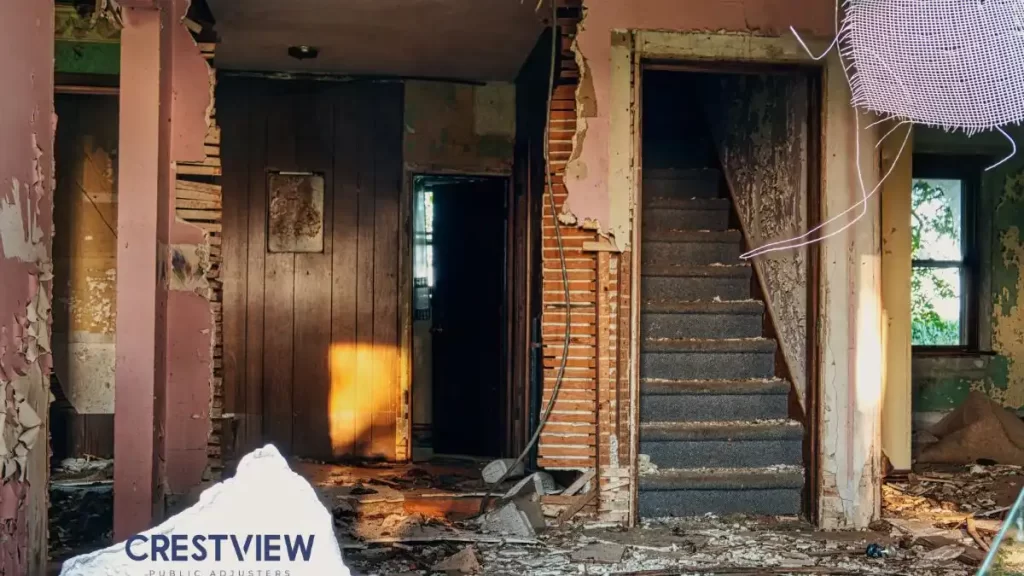
Who Pays For Water Damage In A Condo In NY And NJ?
Regarding who pays for water damage in condo NY and New Jersey-wide, these short examples can help.
- Roof storm damage: The association usually starts the claim for the building, but your policy may cover your interior finishes and belongings.
- Dishwasher or toilet line failure: The unit owner’s claim usually starts here. If water reaches another unit, there may be liability issues.
- Shared pipe failure: Since the source is a common element, the building policy usually takes the lead.
- Sewer backup or sump overflow: This often depends on water backup limits. New Jersey notes that these are typically optional add-ons.
- Flood or storm surge: Standard policies usually do not pay for this. Sudden accidental water damage is often covered, but slow leaks or seepage are usually excluded.
What To Gather Before You Call The Carrier
Good damage documentation saves time and cuts down on disputes. Try to gather:
- The association’s insurance summary
- Your own policy papers
- The condo bylaws and master deed
- Photos and video of the damage
- A room-by-room list of ruined items
- Receipts for emergency repairs
A detailed list helps more than you might think. About 47% of homeowners keep a home inventory to help document their losses.
How To Handle The Claim Without Mixing Building Damage And Unit Damage
Staying organized keeps the process cleaner:
- Separate building damage from unit damage.
- Notify the board and your insurance company right away.
- Take photos before you start cleaning up.
- Protect the unit from more damage and keep your receipts.
- List damaged personal property on a separate inventory.
- Track hotel and meal costs if you must leave.
- Ask for outside help if the board and insurance companies give conflicting answers.
At Crestview, we help policyholders sort out these split-loss issues, review policy language, and move through the claims process correctly.
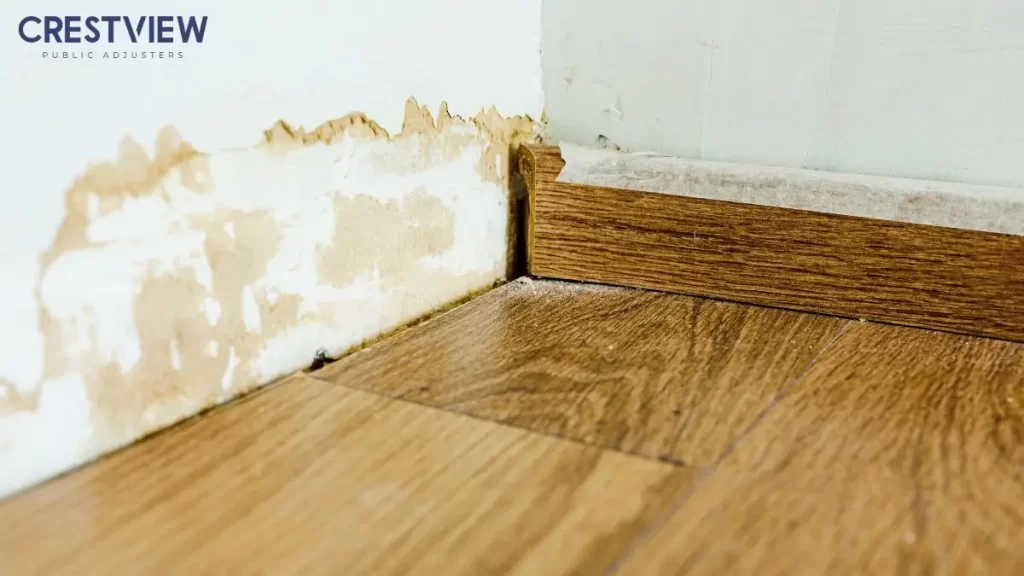
FAQs About Condo Water And Storm Damage Claims
What is loss assessment coverage in condo insurance?
Loss assessment coverage is optional condo-insurance coverage that may help pay your share of a condo association assessment tied to a covered loss. It is not automatic in every policy. The wording, trigger, and coverage limit still control when payment may apply.
Can a condo policy cover hotel costs after water damage?
Yes. Condo policy loss-of-use coverage may help cover additional living costs, such as hotel and meal expenses, if a covered loss renders the unit uninhabitable. The amount paid depends on the policy limit, the cause of loss, and the facts of the claim.
What is a hurricane or wind deductible in condo insurance?
This is a separate, often higher deductible for storm damage. In New York, these can range from 1% to 5% of the value, so check your papers early to see if this applies.
Protect Your Side Of The Claim Before Costs Spread
Water and storm claims usually come down to the source of the leak and the rules in your condo documents. A clear line between building and unit damage saves time.
At Crestview Public Adjusters, we help condo owners and associations review their policies and push back when a claim is unfairly limited. We help policyholders across New York and New Jersey.
If you are searching for a condo public adjuster because your board and insurance carrier are not on the same page, reach out to us to review your next steps.