
Key Points:
- A frozen pipe insurance claim in New Jersey needs fast mitigation, clear photos, heat records, and plumber documentation.
- Property owners should shut off water, dry affected areas, save receipts, and build a dated timeline.
- Insurers may question vacancy, heat, maintenance, and whether the damage was sudden.
Water dripping from a ceiling, pooling in a basement, or running through a closed business can turn a cold snap into a serious insurance issue. A frozen pipe insurance claim New Jersey property owners file often comes down to two things: how fast the owner responds and how clearly the damage story is documented.
The frozen pipe claim process starts before the adjuster arrives. Photos, plumber notes, heat records, receipts, and timelines can help show what happened. Here’s what to do before a freeze, during the water leak, and after the emergency work begins.
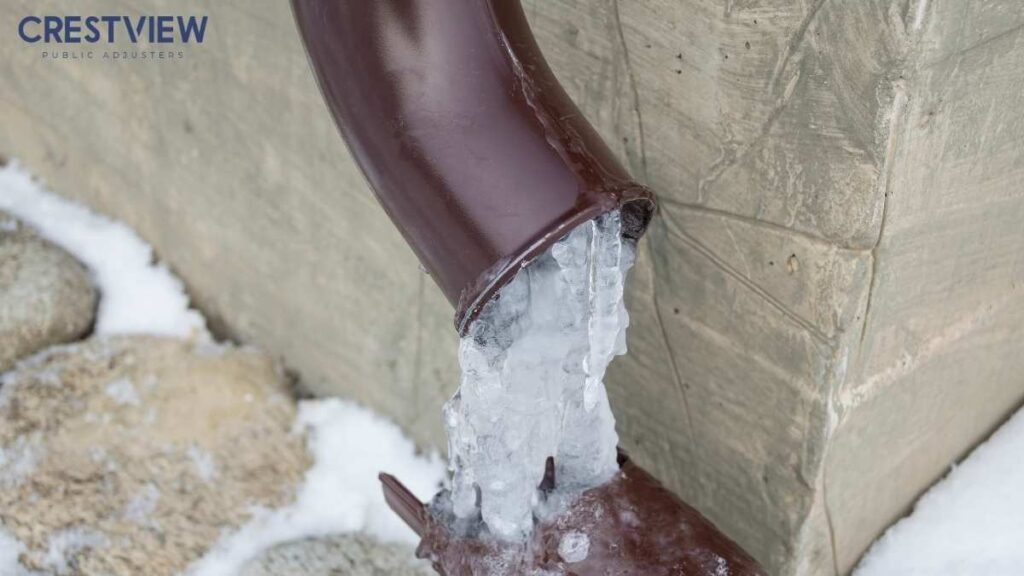
Why A Frozen Pipe Insurance Claim New Jersey Needs Local Proof
New Jersey homes come with their own quirks. Older row houses in Jersey City, brownstones in Hoboken, shore rentals in Ocean County, and split-levels in Bergen County all have plumbing tucked in places that freeze fast.
New Jersey has a large share of older housing, which can make frozen pipe losses more complicated when plumbing, insulation, crawl spaces, or older heating systems are involved.
A national checklist may miss what an NJ claim adjuster will actually ask about. Local proof matters, and the numbers back it up:
- Water damage and freezing made up 22.6% of homeowners insurance losses in 2023.
- The average water damage and freezing claim ran about $15,400 between 2019 and 2023.
- Roughly 1 in 67 insured homes files a property damage claim from water damage or freezing each year.
Numbers like these tell carriers what to expect. They also tell you why a frozen pipe insurance claim in New Jersey can look different from a claim in another state.
Before A Freeze: Prepare The Home And The Claim Record
Preparation is not only about stopping pipes from bursting. It’s also about protecting your claim if the insurer later asks whether you took reasonable care. Policies often cover resulting water damage from a sudden frozen pipe burst when the homeowner keeps up with basic maintenance and heating.
So, does homeowners insurance cover frozen pipes in NJ? Often yes, when the home was heated, the pipes were maintained, and the burst was sudden.
Here’s how to make that easier to prove later:
- Keep your heat at a steady, reasonable level, even when no one is home
- Save thermostat screenshots or smart-home logs that show heat was on
- Hold onto utility bills as backup for the heating record
- Shut off and drain water lines if the home will sit empty for weeks
- Ask a friend, neighbor, or property manager to check vacant or seasonal homes
- File plumber receipts for pipe insulation or winterizing
Snowbirds heading to Florida and landlords with empty units between tenants tend to draw extra questions, so this paper trail goes a long way.
During A Burst: Stop The Water And Protect The Damage Record
A burst pipe water damage claim in New Jersey starts with safety. The next goal is proof.
- Shut off the main water valve.
- Stay away from exposed wiring, sagging ceilings, and slippery floors.
- Call a plumber to stop the source.
- Take wide photos, close photos, and videos before cleanup changes the scene.
- Keep damaged materials when safe until the insurer or adjuster can review them.
- Start drying quickly. Water-damaged areas and items should be dried within 24 to 48 hours to help prevent mold growth.
- Keep receipts for plumber work, emergency mitigation, hotel stays, and temporary repairs.
Before, During, And After A Burst Pipe Claim In NJ
| Claim Stage | What To Do | What To Save | Why It Helps |
|---|---|---|---|
| Before | Keep heat on, winterize pipes, check vacant spaces | Utility bills, thermostat logs, plumber invoices | Shows reasonable care |
| During | Shut water off, call a plumber, take photos | Videos, damaged materials, emergency receipts | Shows sudden damage and fast action |
| After | Build a timeline and item list | Reports, dry-out logs, insurer emails | Helps support the claim amount |
At Crestview Public Adjusters, we can review your policy, photos, plumber notes, and early repair estimates before you give long recorded statements or accept a first offer. Our NJ office is in Hackensack, and we help homeowners, landlords, and business owners with frozen pipe, water damage claims, underpaid, and denied claims.
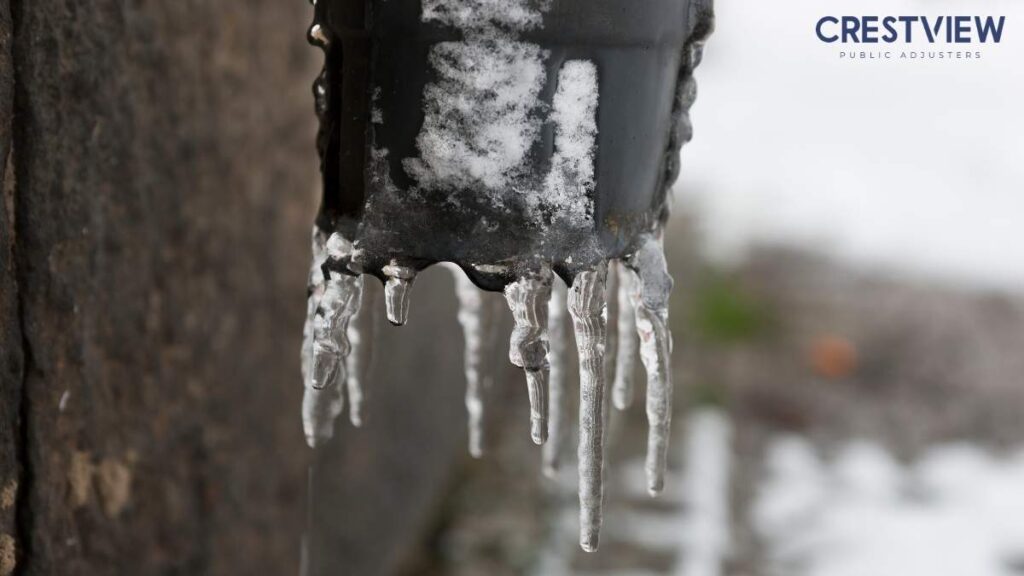
After: Build A Frozen Pipe Insurance Claim New Jersey File
A strong frozen pipe insurance claim in New Jersey does not need fancy wording, but only facts in the right order.
For a burst pipe claim NJ file, gather:
- Date and time the pipe was found
- Rooms and materials affected
- Photos of the pipe, water trail, ceilings, walls, floors, insulation, and contents
- Plumber report naming the failed pipe or fixture
- Dry-out logs and moisture readings
- Item inventory with age, cost, and photos
- Utility bills, thermostat records, and property check logs
- Email and call notes with the insurer
The goal is simple. The file should help someone understand what happened, what was damaged, what was done, and what still needs repair.
New Jersey Claim Timelines And Insurer Questions
New Jersey rules give carriers 10 working days to acknowledge a claim after notice, unless they pay it sooner. Within that same window, they also have to send claim forms, instructions, and reasonable help to first-party claimants.
For most first-party property claims, the carrier has 30 calendar days to pay after receiving properly executed proofs of loss, unless there’s a real reason for a delay. If more time is needed, they must send a written notice and keep updating you every 45 days until the claim is paid or denied.
A New Jersey public adjuster for frozen pipe claims can help track these dates so nothing slips. Insurers will likely ask:
- Was the heat on?
- Was the property vacant or unoccupied?
- Did a power outage affect heat?
- Were pipes insulated?
- When was the property last checked?
- Was the leak sudden or ongoing?
- Was there old water damage nearby?
Ready answers, backed by your records, keep the claim moving.
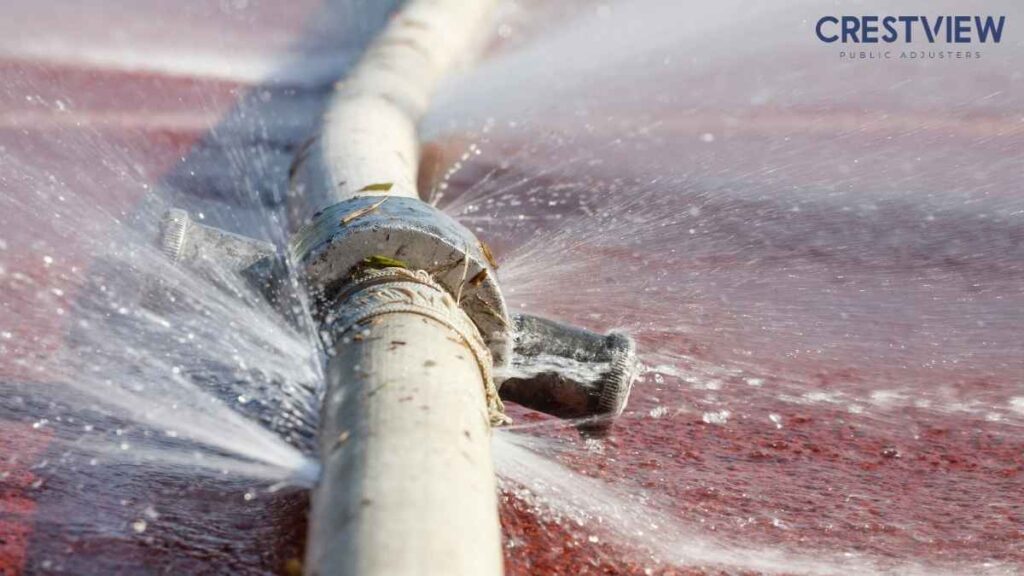
Why A Frozen Pipe Claim Gets Reduced Or Denied
Pushback usually shows up in a few familiar shapes. Carriers may argue that the owner let the heat drop, knew about an old leak, left the home vacant without safeguards, or took too long to stop the damage.
Forum threads from policyholders show how often this comes up. Here are some examples:
- One homeowner away on a winter trip asked whether keeping the heat set around 60°F would protect against a burst pipe claim.
- Another landlord described a thermostat that quit working mid-tenant turnover, with usage records dropping right before a $25,000 loss.
- A third thread centered on whether a slow leak counted as sudden damage or long-term seepage, which carriers treat very differently.
A frozen pipe claim denied in NJ isn’t always the end of the road. A frozen pipe damage public adjuster in NJ can line up the facts, match them against the exact policy wording, and point out damage the carrier’s estimate skipped. Many disputes turn around once the file is rebuilt the right way.
FAQs About Frozen Pipe Damage And Insurance Claims In NJ
Does insurance pay for the burst pipe itself, or just the water damage?
Insurance often pays for resulting water damage from a sudden frozen pipe burst, but the broken pipe itself may have limited coverage or no coverage. The answer depends on policy wording, maintenance history, heat records, and whether the home was protected before the loss.
Do I need a public adjuster for a frozen pipe claim in NJ?
A public adjuster may help with a frozen pipe claim in NJ when damage is large, hidden, denied, delayed, or underpaid. A public adjuster works for the policyholder, reviews the policy, documents damage, prepares estimates, and communicates with the insurer about disputed claim issues.
Can a condo owner or renter file a claim if a neighbor’s frozen pipe causes damage?
A condo owner or renter may need to file through their own policy first when a neighbor’s frozen pipe causes damage. The right claim can depend on what was damaged, who owns the affected building parts, and how the association, unit, renter, and liability policies apply.
Protect The Claim Before The Carrier Defines It
A frozen pipe loss can move from emergency cleanup to insurance dispute faster than many property owners expect. Clear photos, fast mitigation, strong timelines, and well-kept heat records can shape how the claim is reviewed.
At Crestview Public Adjusters, we help homeowners, landlords, and business owners prepare, dispute, and settle frozen pipe and burst pipe water damage claims. Our team serves New Jersey property owners from our Hackensack office, including nearby communities such as New Brunswick, Montclair, Parsippany, Westfield, Rahway, and Union City.
Send your claim details, photos, and insurance paperwork so we can review what happened and help you fight for the settlement your policy supports. Call us now!