
Key Points:
- The hidden costs of property damage claims include underpaid scopes, missed code upgrades, delayed repairs, and rising prices.
- Homeowners often lose money through nonrecoverable depreciation, ALE caps, and slow documentation.
- Appraisal can resolve pricing disputes faster than court, so document everything early, request partial payments, and track price changes to avoid avoidable losses.
Many homeowners expect a fair payout after a loss and then collide with delays, exclusions, and line-item disputes. The hidden costs of property damage claims show up in time, missed documentation, and upgrades that no one funds unless you ask for them.
This article breaks down when to invoke appraisal, the timelines that control your claim, who pays what in appraisal, how carrier and insured appraisers work, what umpires do, and how outcomes compare to litigation, especially when underpayment is already on the table.
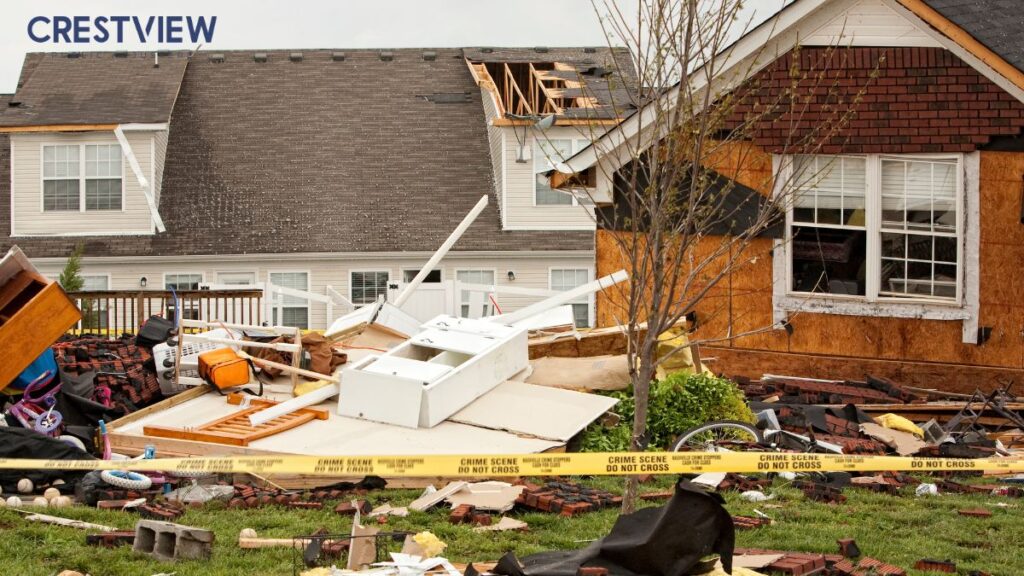
Hidden Costs of Property Damage Claims: Where They Hide
Underpayment often starts with scope in underpaid insurance claims. Small omissions such as baseboard lengths, substrate replacement, and code-required upgrades can compound into thousands of dollars. Another driver is timing. Construction prices rise during long disputes, and premiums have climbed too.
A national analysis found homeowners insurance premiums rose 24% from December 2021 to August 2024, outpacing general inflation.
Watch for these costs early:
- Code upgrades (ordinance or law). Building code compliance adds labor and materials that standard limits may not cover unless you carry the endorsement.
- Nonrecoverable depreciation. Some items never “recover” depreciation without proof of completion or photos.
- Additional Living Expense (ALE) caps. Hotel and meals exceed caps fast when repairs drag beyond the allowance.
- Change orders during tear-out. Hidden damage behind walls leads to supplements that stall payment.
- Price inflation while you wait. Residential reconstruction costs increased 4.2% from Oct 2023 to Oct 2024 per Verisk estimates, pressuring budgets during delays.
Focus the file on recovery:
- One claim log. Track adjuster calls, requests, and document dates.
- Room-by-room evidence. Photos, measurements, and moisture maps limit “scope creep” later.
- Contractor bids that itemize. Line items make apples-to-apples comparisons possible and create clean support for a supplemental insurance claim.
When Should You Invoke Appraisal?
Appraisal addresses value disputes and not the coverage denials. Invoke it when both sides agree a covered loss happened but disagree on scope or price. Florida also requires carriers to offer mediation for many residential disputes before pushing to appraisal, which gives you a quick, lower-cost off-ramp.
Clear triggers to consider appraisal:
- Wide estimate gaps. Large differences in line-item pricing, quantities, or repair methods.
- Stalled supplements. Approved scope with pricing or quantity disagreements that won’t resolve.
- Time-sensitive work. Dry-out, temporary shoring, winterization, or roof underlayment nearing deadlines.
What to expect after invoking appraisal:
- Each party selects an appraiser. You choose an insured appraiser; the insurer chooses a company appraiser.
- Appraisers pick an umpire. If appraisers disagree, the neutral umpire decides disputed items; any two of the three sign the award.
- Binding value award. The panel sets the amount of loss; coverage defenses (like exclusions) can still be reserved for later.
Practical signals you’re ready:
- Documentation is mature. Photos, measurements, contractor estimate, and receipts are organized.
- Scope is defined. You can point to exact assemblies or rooms in dispute.
- Negotiation cycles are exhausted. You’ve tried revisions or desk review without movement.
What Timelines Control Your Claim?
State rules drive momentum. Missing a request or deadline can shrink recovery. Know your jurisdiction’s basic clocks and build your calendar around them.
Florida: communication and decision clocks
Florida law sets short fuses: insurers must begin investigating within 7 days after receiving your proof of loss, and pay or deny (in whole or part) within 60 days after notice of the claim, absent factors beyond their control. Interest can accrue on late payments. Undisputed benefits must be paid promptly once coverage and amounts are set.
New York: Regulation 64 standards
New York requires acknowledgment of a claim within 15 business days and timely updates. Once proofs are received, carriers must accept, deny, or explain why more time is needed, with continuing status communications. Keep your proofs complete to start this clock.
New Jersey: Unfair Claims Settlement Practices
New Jersey rules require acknowledgment within 10 working days, a prompt start to investigation, and completion within set periods after a proper proof of loss, with written reasons if more time is needed.
A public insurance adjuster in New Jersey will track whether, once amounts are agreed, payment is made quickly.
How to work these clocks:
- Send proofs and updates in writing. E-mail with date stamps anchors timelines.
- Respond fast to requests. Timely responses reduce excuses for delay.
- Track “undisputed” dollars. Ask for partial payments on items already agreed.
Appraisal Roles and Costs: Carrier Appraiser vs Insured Appraiser vs Umpire
Clarity on roles helps control cost exposure.
Carrier appraiser
Carrier appraisers defend the company’s scope and pricing. They may lean on internal pricing databases and preferred repair methods. Expect line-by-line challenges to quantities and code items.
Insured appraiser
Your appraiser builds a counter-scope, reconciles quantities, and cites codes or manufacturer specs. You pay this fee. Rates vary by market and complexity; some charge hourly, others a flat fee.
Umpire
If appraisers cannot agree, the umpire resolves differences. Florida law restricts conflicts: an umpire must be disqualified if, for example, they have recent familial, employment, or professional ties to a party or its representative. These disqualification rules aim to keep the decision neutral. Fees for the umpire are typically split 50/50.
Managing appraisal costs:
- Define disputed items. Narrow issues before the first joint inspection.
- Exchange estimates early. Parallel line items reduce umpire time.
- Bring manufacturer documentation. Install specs often settle method disputes without testimony.
Outcomes: Appraisal vs Litigation
Appraisal usually moves faster and limits soft costs. Court cases add attorney fees, discovery, depositions, and expert reports. Appraisal focuses on numbers, not fault.
Why many policyholders start with appraisal:
- Speed and scope. A panel can resolve most value disputes in weeks or a few months, while court often runs a year or longer.
- Lower friction. Fewer filings and fewer expert reports keep costs down.
- Enforceability. Courts can confirm appraisal awards and appoint umpires when needed.
When litigation still enters the picture:
- Coverage denials. Exclusions, late notice defenses, or fraud allegations require court decisions.
- Bad-faith exposure. If a carrier violates claims-handling laws, you may pursue separate remedies.
- Post-award issues. Disputes over interest, ALE caps, or code endorsements sometimes remain.

Dealing With a Home Insurance Adjuster: What Do Adjusters Look For?
Adjusters look for cause, extent, and cost. The first visit sets the frame.
Expect focus on:
- Cause and timing. Reports that verify sudden and accidental loss versus long-term wear.
- Extent of damage. Measurements, moisture readings, roof test squares, and structural checks.
- Duty to protect. Proof you mitigated further damage—board-ups, tarps, dry-out logs, plumber reports.
Use everyday language and keep it factual, which matches how public adjusters can speed up your insurance claims. A recent study tied underinsurance to slower recovery: underinsured homeowners were 25% less likely to apply for rebuilding permits within a year after a major fire, which shows how crucial right-sized coverage and prompt documentation are.
Making a Home Insurance Claim: Steps That Control Hidden Costs
Making a home insurance claim works best when the file tells a clean story that matches the property damage claims process. Build that story as soon as it is safe to do so.
Practical steps:
- Document before cleanup. Wide shots, close-ups, and measurements per room.
- Lock in cause. Contractor or plumber reports date the event and support “sudden and accidental.”
- Itemize contents. Room inventories with receipts or bank statements when available.
- Track ALE expenses. Lodging, meals, and laundry receipts with dates to avoid cap surprises.
- Update estimates for price changes. Building costs move; Verisk data showed a 4.2% rise in reconstruction costs year-over-year, which can justify supplements.
Hidden costs of property damage claims also grow when premiums rise during long repairs. Consumer advocates reported the typical homeowner’s premium rose 24% from late 2021 to mid-2024, which affects cash flow for ALE and higher deductibles.
How Do You Work With a Home Insurance Assessor?
A home insurance assessor or adjuster needs facts laid out simply. Keep notes short and organized.
Do the basics well:
- Provide one PDF packet. Photos, contractor estimate, code citations, and receipts in order.
- Walk the scope together. Mark ceilings, walls, and flooring transitions with tape for clarity.
- Ask for undisputed payment. Request partial payment on agreed items to fund mitigation and prevent secondary damage.
Appraisal Costs and the Umpire: What Will You Pay?
Costs vary by market and claim size. Typical outlays include:
- Your appraiser’s fee. Hourly or flat. Complex roofs, custom finishes, and contents claims take longer.
- Half of the umpire’s fee. Split with the carrier; Florida law also sets conflict-of-interest bars for umpires, helping keep decisions neutral.
- Inspection expenses. Roof test cuts, engineer letters, specialty dry-out logs.
Value for money comes from narrowing issues before the panel meets. Fewer disputed line items mean fewer billable hours.
Why Appraisal Often Beats Litigation When Underpayment Is the Problem
Underpayment is usually about numbers, not legal theories. Appraisal aligns with that reality:
- Focused remedy. The panel fixes scope and price so funds can flow.
- Lower carry costs. Shorter timelines reduce hotel bills and temporary rental costs.
- Less adversarial. Fewer motions, fewer hearings, less delay.
When disputes are strictly about dollars and the policy covers the loss, appraisal frequently produces faster, cleaner outcomes than filing suit.

Frequently Asked Questions
What is the 80% rule in homeowners insurance?
The 80% rule in homeowners insurance means your dwelling coverage must equal at least 80% of the home’s replacement cost to receive full payment on partial losses. If underinsured, you may face a penalty. Insurers often recommend 100% coverage due to rising rebuild costs and code upgrades.
What are the hidden costs of home ownership?
Hidden costs of homeownership include ongoing maintenance, rising insurance, property taxes, and uncovered claim expenses. After a loss, extra costs may stem from depreciation, price hikes, and limited ALE coverage. Prevent gaps by tracking receipts, updating estimates, and adding endorsements for full replacement and code upgrades.
What not to say to a home claims adjuster?
Avoid saying anything speculative or admitting fault when speaking to a home claims adjuster. Avoid guessing causes, timelines, or using phrases like “it’s always leaked” or “we didn’t maintain that.” Request inspections for hidden damage and ask for all adjuster requests in writing to ensure accurate and timely responses.
Take Action To Stop Claim Underpayment
Public insurance adjusting and claims management services in Florida, New York, and New Jersey help homeowners organize proof, press for undisputed payments, and use appraisal to resolve value disputes without a year in court.
Crestview Public Adjusters supports homeowners through inspections, scope reviews, proof-of-loss, and, when needed, appraisal setup and umpire selection.
If you are making a home insurance claim after water, fire, or wind damage, contact us to review your file and set a clear plan to recover what your policy promises.