
Key Points:
- A mold insurance claim is typically covered only when mold results from a sudden, covered event, such as a pipe burst or storm damage, not from long-term moisture or neglect.
- To get paid, document the cause, damage, and cleanup using photos, reports, and timelines.
- Coverage is often capped and may require swift action.
Water stains on drywall, a musty smell in the closet, or black spots behind baseboards can turn into more than a home repair project. Mold from hidden leaks or storm damage can trigger health concerns, large cleanup bills, and arguments with the insurer over what is actually covered.
Homeowners hear mixed messages about mold: sometimes covered, often excluded, and usually capped. Sorting that out while dealing with environmental hazard damage in your home is stressful.
A practical mold insurance claim playbook helps. You can learn when mold is likely covered, what proof insurers expect, how sublimits and exclusions work, and when it makes sense to escalate a dispute or bring in a public adjuster.
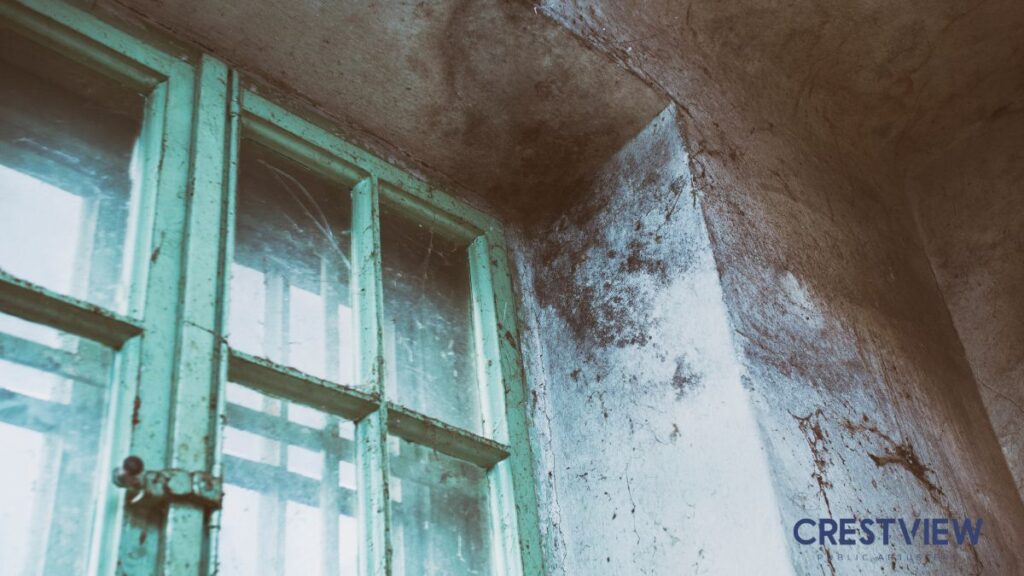
Mold Insurance Claim Basics: What Actually Triggers Coverage?
Coverage for mold usually turns on one question: did the mold insurance claim arise from a sudden covered event, or from long-term moisture or maintenance issues?
Insurance groups like the Insurance Information Institute note that standard homeowners policies generally exclude mold when it arises from ongoing dampness or neglect, but may pay when mold is a direct result of a covered peril such as a burst pipe or sudden storm damage.
State regulators echo this pattern. Guidance from regulators in Washington and Texas explains that homeowners’ insurance often excludes mold and rot as maintenance issues, while mold tied to covered water damage (such as a sudden leak) can qualify for coverage.
To see if a mold insurance claim fits policy triggers, focus on:
- Cause of loss. Sudden pipe break, appliance overflow, or wind-driven rain usually gets a different response than long-term seepage or humidity.
- Timing of discovery. Document when you first saw water or mold and when you reported it to your insurer.
- Policy language. Look for exclusions for “mold, fungus, or wet rot” and for any mold endorsement that adds limited coverage.
- Flood vs. non-flood. Mold from rising flood water is typically excluded under a homeowner’s policy and handled, if at all, under separate flood insurance.
Indoor mold is more than a cosmetic issue. Reviews of damp homes show that indoor dampness or mold is associated with higher rates of asthma, cough, wheeze, respiratory infections, and eczema. That health angle is one reason insurers watch timing and mitigation closely in environmental hazard damage cases.
How Do You Build Proof For A Mold Insurance Claim File?
Once you suspect covered mold, the claim file becomes your backbone. Strong proof helps the adjuster understand what happened, separates sudden damage from old issues, and supports environmental hazard damage that is hard to see behind walls.
A practical checklist for your mold insurance claim file includes:
- Cause documentation. Plumber reports, roofer notes, or appliance repair invoices that confirm what failed and when.
- Photo and video record. Room-by-room images of wet areas, mold growth, and any areas you must open or remove help document water damage for an insurance claim.
- Moisture readings. Logs from restoration contractors showing moisture levels in walls, floors, and framing over several days.
- Timeline log. Simple notes of when you noticed water, shut it off, called contractors, and contacted your insurer.
- Lab or assessment reports. If you order mold testing, keep the lab report and assessor’s summary of species, levels, and affected areas.
- Remediation estimates and invoices. Detailed scopes showing containment, removal, HEPA cleaning, and rebuild plans.
- Contents list. Inventory of damaged personal property with photos, ages, and approximate values.
Research on U.S. housing shows how common these issues are. A large assessment of 831 residential homes across 75 U.S. locations found that about 24% had moisture or mold problems.
When you organize this file, separate sections for “Cause,” “Structure,” and “Contents” can help. A public adjuster can later use the same package to challenge low estimates, especially when the original inspection missed hidden damp areas.
What Mold Costs Do Home Policies Usually Cover?
Even when a mold insurance claim clears the coverage hurdle, insurance coverage limits may cap what you can recover. Industry and broker guidance shows how this looks in practice:
- Some carriers in New Jersey, for example, typically cap mold coverage at around $15,000, with options to buy higher limits for an extra premium.
- Other states allow mold exclusions or endorsements that must be added for any coverage at all.
Inside those limits, mold-related coverage may include:
- Source repairs. Opening and repairing walls, ceilings, or floors to access ruined materials tied to the covered water event.
- Mold remediation. Containment, removal of porous materials, HEPA vacuuming, and cleaning of salvageable surfaces per industry standards.
- Drying costs. Equipment rentals, monitoring, and labor to dry the structure.
- Rebuild work. Replacing drywall, insulation, flooring, cabinets, and paint to restore the area to pre-loss condition.
- Additional living expenses (ALE). Hotel and meal costs when the home is unsafe during extensive environmental hazard damage cleanup are often reimbursed only when your ALE coverage applies.
Mold can be expensive. An Insurance Information Institute white paper reported that typical homeowners’ mold claims ranged from $15,000 to $30,000, compared with roughly $3,000 to $4,000 for average homeowners’ claims without mold.
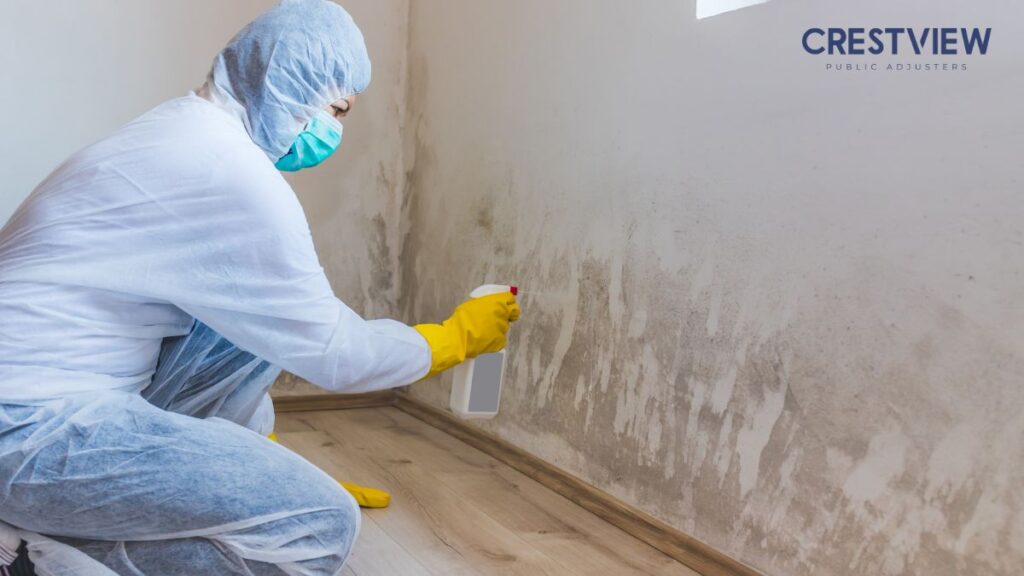
Why Timing Changes Mold And Moisture Claim Outcomes
Time works against homeowners in mold cases. Moisture that remains in walls and flooring feeds mold growth and can increase both health risks and claim disputes.
Environmental agencies focus on fast drying. The U.S. Environmental Protection Agency advises that damp building materials and furnishings should be cleaned and dried within 24–48 hours to prevent mold growth.
That timing matters because:
- Delay can blur the cause. Waiting weeks to report a leak creates the same problems listed in the top reasons water damage claims are denied, giving the insurer room to argue that long-term moisture, not a sudden event, drove the mold.
- Health risks increase. Reviews of damp and moldy houses link indoor dampness and mold to higher rates of asthma attacks, respiratory infections, and allergies.
- Damage spreads. Moisture can travel beyond the visible stain into adjacent rooms, subfloors, and hidden cavities if drying does not start quickly.
Practical early steps include:
- Stopping the source. Shut off water, protect the area from further rain, or arrange emergency repairs.
- Documenting before cleanup. Take photos and videos before cutting out drywall or discarding materials.
- Starting controlled drying. Use fans, dehumidifiers, and professional dry-out services where needed.
- Reporting the loss quickly. Call the insurer as soon as you have stabilized the situation, and follow up in writing.
A well-timed response protects both health and claim viability, especially when you later challenge a denial that blames maintenance instead of the original covered loss.
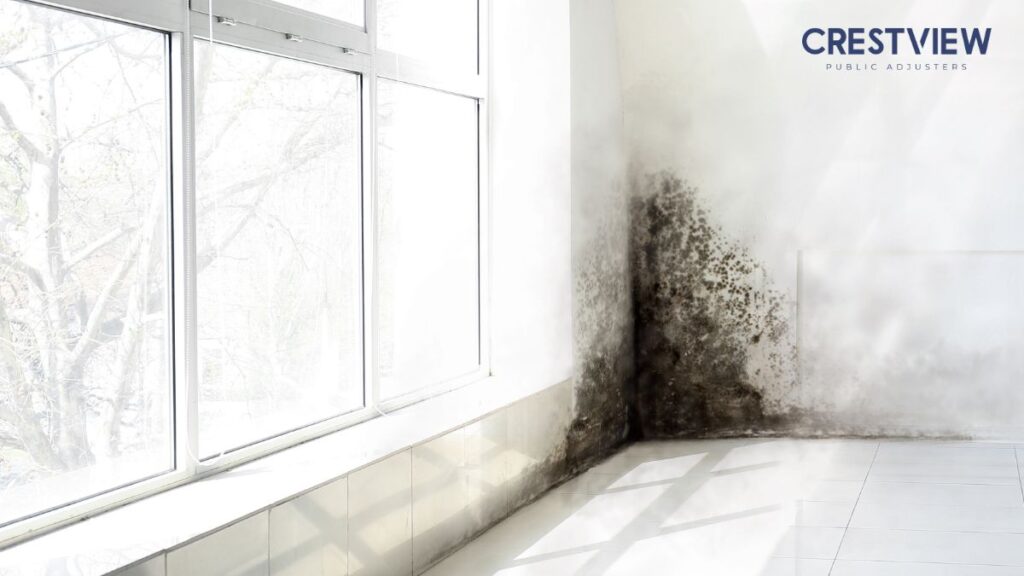
Environmental Hazard Damage: How The Same Playbook Applies
The same cause-and-proof logic used in a mold insurance claim also applies to other environmental claims, such as asbestos disturbance, lead dust, or chemical contamination.
Public health agencies outline serious risks from these hazards:
- Asbestos fibers released from damaged building materials can lead to lung diseases and cancers; asbestos in good condition and left undisturbed poses far lower risk.
- Lead-based paint hazards remain in an estimated 29 million U.S. housing units, about 2.6 million of which house young children, and exposure can cause developmental and cognitive problems.
- Household hazardous chemicals, such as certain cleaners and solvents, require special handling and can threaten health and the environment when mismanaged.
When these hazards show up in a property claim, insurers still look for:
- Triggering event. Renovation mishap, sudden collapse, fire, or spill that disturbed asbestos, lead, or chemicals.
- Confirmation of hazard. Lab reports, environmental assessments, and air monitoring results.
- Regulated cleanup. Use of licensed asbestos or lead contractors, or hazardous waste handlers, with detailed invoices and disposal records.
You can mirror the mold documentation approach:
- Build a timeline of the event and discovery.
- Collect professional reports and governmental notices.
- Keep records of all safety measures, relocations, and health consultations recommended due to the environmental hazard damage.
That structure helps show that the costs are tied to a specific, sudden incident rather than general wear and tear.
When Should You Invoke Appraisal For A Mold Claim Dispute?
Even with solid proof, mold and environmental hazard damage claims often turn into underpaid insurance claims. You may agree on coverage but disagree sharply on the scope or price of remediation and rebuild.
Homeowners usually consider an appraisal when:
- The insurer accepts coverage but underprices mold remediation, build-back, or contents.
- Hidden mold or moisture is discovered after the first estimate, and the adjuster refuses to revise the scope.
- Environmental hazard damage (like asbestos or lead) drives code upgrades that the carrier partially rejects.
Key appraisal elements to keep in mind:
- Timelines. Policies and state law may set time limits for demanding an appraisal, often tied to initial denial or payment dates.
- Roles. Your appraiser documents your position on the full cost of repairs and remediation.
- Costs. Each side usually pays its own appraiser and splits the umpire fee.
- Outcomes vs. litigation. Appraisal can yield faster, narrower decisions on value.
A strong mold insurance claim file often becomes the foundation for an appraisal. Detailed moisture logs, lab reports, remediation scopes, and indoor air clearance tests give your appraiser the tools to argue for a more accurate award.
Frequently Asked Questions
Can I file a mold claim if I already cleaned and repaired some of the damage?
You can file a mold claim after cleaning and repairs if you provide clear documentation. Most policies allow emergency work before the adjuster arrives, but insurers require proof. Keep before photos, invoices, and contractor notes. Without records, insurers may question the loss or reduce coverage.
Do I need mold testing or lab reports for an insurance claim to be approved?
Mold testing or lab reports are not always required for insurance claims, but they can strengthen your case. Professional assessments help confirm moisture sources, the extent of contamination, and the need for cleanup. Lab results may be essential for clearance after remediation or when proving environmental hazard damage.
Will a mold insurance claim affect my premiums or future coverage?
A mold insurance claim can affect your premiums or coverage, especially if the claim is large or tied to maintenance issues. Insurers track frequency and severity, and repeated non-weather claims may lead to non-renewal. A single, well-documented claim from a sudden covered event is less likely to raise concern.
Take Control Of Your Mold Claim And Environmental Damage Recovery
Getting mold and environmental hazard damage handled correctly is about more than cleaning visible stains. Sudden water losses, hidden moisture, health risks, and policy sublimits all collide in one stressful claim.
Public insurance adjuster services in Florida, New York, and New Jersey can help homeowners organize proof, measure the full scope of mold remediation, and challenge low offers through negotiation or appraisal when needed.
At Crestview Public Adjusters, we bring claim experience that meets homeowners where they are: dealing with leaks, stains, and indoor air concerns while trying to understand dense policy language.
When you face indoor mold or broader environmental hazard damage, you do not have to handle the claim alone. Reach out to discuss your situation, learn what coverage likely applies, and see how our adjusters can help you move from uncertainty to a clear, organized recovery plan.