
Key Points:
- Public adjusters handle underpaid insurance claims by reviewing the policy, inspecting damage, preparing a detailed estimate, and negotiating with the insurer.
- They gather photos, receipts, and contractor bids to prove higher costs, and when successful, the insurer issues a supplemental payment.
- This process helps policyholders recover the full cost of repairs.
Watching a claim drag on after a fire, pipe break, or storm is hard enough. Getting a check that will not actually cover the repairs adds to the stress. Many policyholders only realize later that the payment they accepted for a property damage insurance claim will not restore their home or business.
Underpaid insurance claims occur when the insurer pays less than the actual repair or replacement cost. The gap might come from missed damage, low pricing, or coverage details that were not clearly explained.
By understanding how public adjusters rebuild and challenge a low payout, you can decide whether it is worth reopening your claim and asking for a better result.

How Do You Spot A Low Insurance Settlement?
A low insurance settlement dispute often starts when a contractor’s estimate is much higher than the insurer’s number for the same work.
Warning signs include:
- Major repairs priced far below contractor bids. A roof replacement or structural repair estimate that is thousands lower than local quotes deserves a closer look.
- Missing rooms or line items in the estimate. A scope that ignores damaged closets, attics, or exterior features usually means the payment is incomplete.
- Limited or no money for code upgrades. Older buildings often need electrical, plumbing, or structural updates that must meet current code.
Catastrophe losses add pressure. Insured property losses from U.S. natural catastrophes reached about $112.8 billion in 2024, keeping insurers busy and increasing the chance that early estimates are rushed.
When volume spikes like that, low offers become more likely, and policyholders need to scrutinize them more carefully. Here are the steps public adjusters follow to rebuild the file, challenge the scope, and press for a fairer payout.
Step 1: Build A Strong Claim Re-Evaluation File
A solid claim re-evaluation process starts with putting every document, photo, and invoice in one place so nothing gets missed the second time around.
Helpful items include:
- Policy and all endorsements. The full policy packet shows limits, deductibles, exclusions, and insurance policy key clauses that affect payment.
- Photo and video record. Wide and close-up shots of the damage before demolition help prove both the cause and the extent of the loss.
- Contractor and mitigation paperwork. Bids, signed contracts, dry-out logs, and invoices support real-world prices and show you acted quickly.
Major events keep raising the stakes. From 1980 through 2024, the United States had 403 weather and climate disasters with total costs of at least $1 billion each, and recent years have seen a record number of these events. As disasters grow more frequent and severe, organized documentation becomes one of the few things policyholders can fully control.
Step 2: How Public Adjusters Rebuild An Underpaid Claim
Once the file is organized, a public adjuster for underpaid claims looks at the entire story of the loss instead of just the insurer’s summary. That review blends policy language, construction knowledge, and claim strategy.
Typical steps include:
- Policy review and coverage mapping. The adjuster checks which sections of the policy apply to structure, contents, code upgrades, and business interruption claims.
- Fresh inspection and scope of loss. A new walkthrough documents every room, system, and exterior area that was affected, including hidden or secondary damage.
- Independent estimate and pricing. The adjuster prepares a detailed estimate using current local labor and material costs, often line by line.
Many property owners want a public adjuster’s help at this stage because it shifts the technical work to someone who reads policies and estimates every day. A careful rescope can uncover entire rooms, trades, or code items that were missing from the original adjuster’s worksheet.
Step 3: Negotiating Insurance Claims And Disputes
Once there is a clear gap between the insurer’s estimate and the independent estimate, the focus turns to getting that difference recognized. Negotiating insurance claims is usually a back-and-forth process, rather than a single conversation.
Common pieces of a dispute include:
- Supplemental insurance claim package. The adjuster submits the new estimate, proof of loss, photos, reports, and receipts in a single organized packet.
- Point-by-point comparison. Each missing item or low unit price from the original estimate is matched to the revised number, with notes explaining why the higher amount is reasonable.
- Structured follow-up. Calls, emails, and re-inspections are tracked to ensure communication is documented.
Policyholders sometimes worry that pushing back will cause problems, but dispute rights are built into most property policies. A clear insurance claim payout dispute, backed by facts, documents, and expert support, is more likely to reach a fair resolution than an informal complaint without supporting numbers.
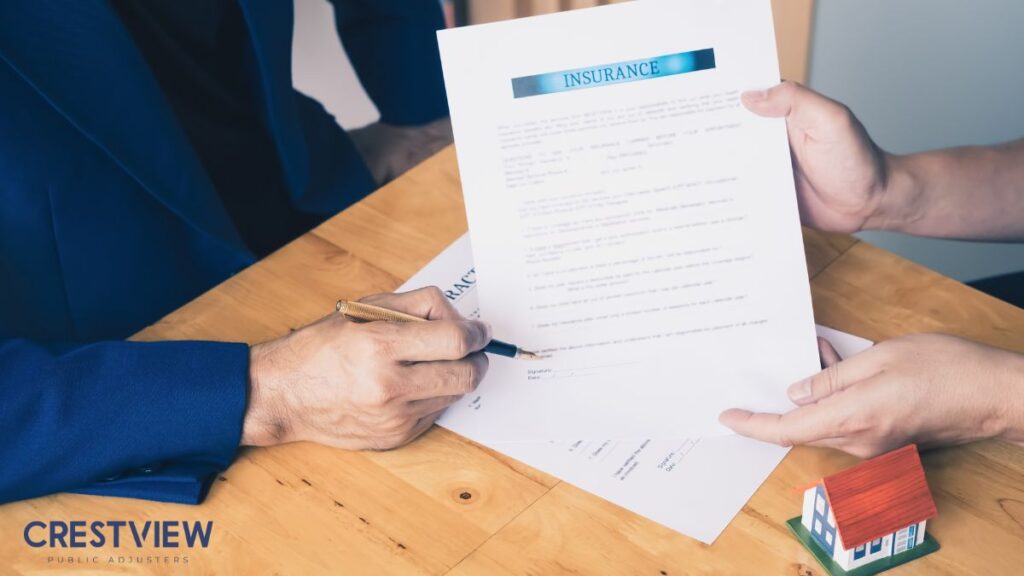
Step 4: Insurance Underpayment Recovery And Next Steps
When the carrier agrees to increase payment, insurance underpayment recovery usually arrives as an additional check or electronic transfer. That new money, combined with earlier payments, should move the claim closer to full repair or replacement cost.
Next steps often involve:
- Reviewing the updated settlement. The public adjuster compares the new offer to the independent estimate to see which items remain short.
- Deciding whether to keep negotiating. If the remaining gap is small, it may be practical to accept and move on. A larger shortfall may justify more back-and-forth.
- Planning for future claims. Understanding the property damage claims process and adjusting limits, deductibles, and endorsements at renewal can reduce the odds of underinsurance next time.
Insurance claim underpayment help sometimes includes coaching policyholders on how to review their next renewal so that coverage levels match realistic rebuild costs rather than outdated values.
Step 5: Preventing Future Underpaid Insurance Claims
Learning from one claim can protect the next one. Preventing future underpaid claims starts with checking whether your current policy would actually rebuild your property if the worst happened.
Practical habits include:
- Updating coverage after improvements. Finishing a basement, adding a room, or upgrading finishes should trigger a conversation about higher limits.
- Reviewing the replacement cost each year. Construction inflation can erode coverage, even when the policy amount appears larger than it was a few years ago.
- Keeping photos and inventories current. A quick yearly walkthrough with a smartphone makes content claims much easier to support.
Strong records and realistic limits will not prevent storms or broken pipes, but they set the stage for better outcomes when you file again.

Step 6: Working With A Public Adjuster
Policyholders in dense states like New Jersey, Florida, or New York face their own mix of weather risks and building conditions. For example, a public adjuster New Jersey property owners trust understands local building codes, coastal and inland storm patterns, and how older housing stock responds to water, wind, and fire.
Support can include:
- Local pricing insight. Knowledge of regional labor and material costs helps challenge outdated or generic pricing in carrier estimates.
- Familiarity with state regulations. Understanding state claim-handling timelines and consumer rights helps keep the process moving.
- Experience with regional claim types. Frozen pipe claims, nor’easter damage, and multi-family building losses each create unique documentation needs.
Owners of small businesses, mixed-use buildings, and large homes often seek a public adjuster for underpaid claims after they see that the first settlement falls short of contractors’ quotes. Regional expertise can make the gap between the insurer’s numbers and the property’s real condition easier to explain and harder to dismiss.
FAQs About Underpaid Insurance Claims
What is the 80% rule in insurance?
The 80% rule in homeowners’ insurance requires that your home be insured for at least 80% of its current replacement cost to receive full payouts for partial losses. If coverage falls below that threshold, insurers pay only a proportion of the claim, reducing reimbursement even for smaller damage.
What happens if the insurance company doesn’t pay enough?
If the insurance company doesn’t pay enough to cover repair or replacement costs, treat it as an underpayment, not a final decision. Request a detailed estimate, submit contractor bids, and ask for a re-inspection. File a supplemental claim, escalate internally, or seek legal advice for possible bad-faith denial.
What is considered an unfair claims practice?
An unfair claims practice occurs when an insurer violates state rules for handling claims, such as misrepresenting policy terms, delaying responses, denying coverage without investigation, offering unreasonably low settlements, or failing to explain denials in writing. These practices are prohibited under laws modeled on NAIC standards.
Get Help With Underpaid Insurance Claims
Handling inspections, estimates, and follow-up calls is a lot when you are also trying to keep a home or business running. Public adjuster services in New York, Florida, and New Jersey help policyholders turn scattered photos, invoices, and repair quotes into a clear claim strategy from initial underpayment through final review.
At Crestview Public Adjusters, we focus on helping property owners challenge low offers, rebuild accurate estimates, and manage the back-and-forth needed so settlements better match real repair costs after fire, water, storm, or other covered losses.
Talk to our team, and let’s assess your situation, review your paperwork, and see whether a professional second look could improve the outcome of your underpaid claim.