
Key points:
- A water damage insurance claim in New York can be denied when the timing, cause, coverage, or proof is unclear.
- Common mistakes include waiting too long, using inaccurate wording, cleaning up before documentation, and missing policy limits.
- Strong records and prompt review help protect the claim.
A ceiling stain in a Brooklyn co-op can feel small until water keeps spreading. A burst pipe in Queens or water dripping through a Manhattan apartment wall can also raise questions fast. For a water damage insurance claim in New York, denials often happen because the insurer questions the cause, timing, source of water, or proof.
New York water damage claims can also get messy when building management, neighboring units, old plumbing, and several insurance policies are involved. This guide explains the common mistakes that can lead to denials and what property owners can do before the file gets harder to fix.
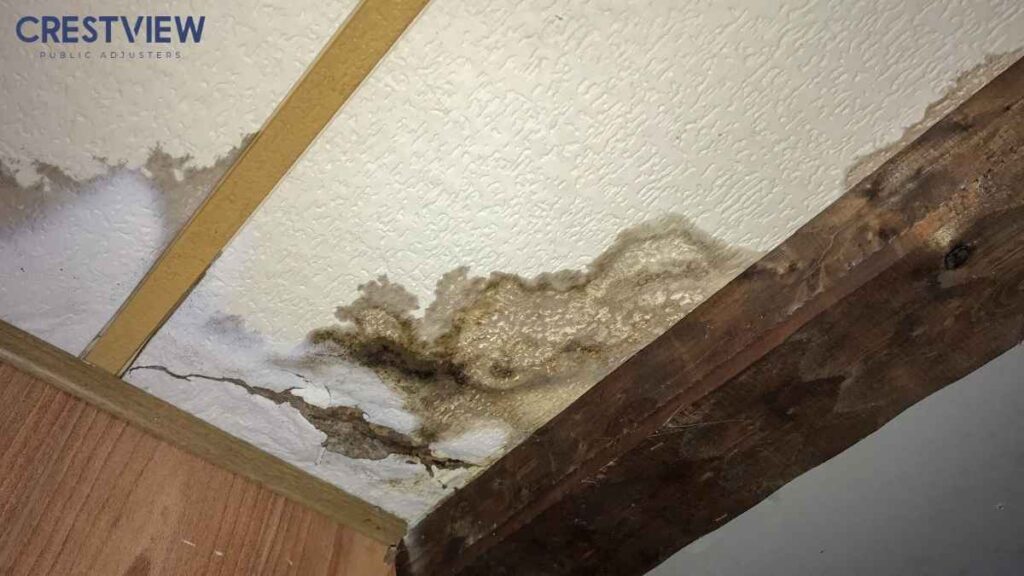
Water Damage Insurance Claim In New York: What Insurers Check First
A water damage insurance claim in New York usually starts with three questions.
| What Insurers Check | Why It Affects The Claim |
|---|---|
| Source | Water may come from a burst pipe, roof opening, appliance, sewer line, sump pump, or outside floodwater. |
| Timing | Sudden damage is treated differently from damage that developed over time. |
| Coverage | Sewer backup, sump pump failure, mold, and building-related losses may depend on endorsements or policy limits. |
Water damage and freezing accounted for 22.6% of homeowners property damage losses in 2023. The average water damage and freezing claim severity from 2019 to 2023 was $15,400.
Mistake #1: Waiting Because Building Management Is Still “Looking Into It”
One of the most common water damage claim mistakes in New York is waiting too long because the superintendent, board, management company, plumber, or upstairs neighbor is still checking the issue.
That delay can hurt the claim. The insurer may ask when the water first appeared, what was done to stop it, and whether more damage happened because no one acted sooner.
Older buildings can add another layer. More than 3,000,000 New York City housing units, or about four out of five units, were in buildings built before 1974. About 2,017,000 units, or 54%, were in buildings built before 1947.
A real NYC condo discussion online showed how fast responsibility can blur. A cracked pipe inside one unit damaged the unit below. The building plumber, both unit owners, and insurance companies all had different views on who should pay. Weeks passed before anyone called their insurer. By then, mold damage had set in.
Mistake #2: Calling The Loss A “Flood” When The Water Came From Inside
Words can change how the claim is viewed. A homeowner may say, “My apartment flooded,” but insurers treat outside floodwater differently from sudden interior water damage.
A burst pipe water damage claim in NY should describe what happened in plain facts, such as:
- The pipe under the sink burst.
- Water came from the upstairs bathroom.
- The appliance supply line leaked.
- Rain entered through a roof opening.
Standard homeowners or unit policies do not cover flood or mudslide losses. Flood coverage is available through a separate National Flood Insurance Program, or NFIP, policy. Sewer backup and sump pump failure may need a water backup endorsement.
Mistake #3: Cleaning Up Before Creating A Clear Damage Record
Fast cleanup is good for safety. The problem starts when damaged flooring, wet belongings, ceiling materials, or drywall are removed before proof is saved.
For homeowners insurance water damage in NYC claims, the file should clearly show what was damaged, where the water came from, who inspected it, and when each step happened.
Save these items before repairs move too far:
- Photos and videos before cleanup
- Photos of the water source
- Plumber or mitigation reports
- Invoices, estimates, and drying logs
- Emails with building management
- Denial letters and insurer requests
- Policy declarations, endorsements, and exclusions
In NYC apartments, the damaged unit may not be the source unit. A clear record helps connect the damage to the right cause.
Mistake #4: Missing The Policy Details That Can Limit Payment
A denial is not always a full “no.” Sometimes the insurer accepts part of the loss, but underpaid insurance claims can still involve limits on mold, contents, flooring, access repairs, sewer backup, or sump pump damage.
Condos and co-ops can be more complex because the unit owner’s policy, master policy, and neighbor’s policy may all be reviewed.
| Claim Issue | Why It Can Cause A Denial | What To Save |
|---|---|---|
| Sewer backup | May need an endorsement | Policy endorsement and plumber report |
| Sump pump failure | Often limited by policy wording | Pump photos, service records, water source proof |
| Mold after water loss | May have sub-limits | Mitigation report and moisture readings |
| Co-op or condo leak | More than one policy may apply | Management emails and building reports |
| Gradual leak | Often denied as maintenance | Proof of sudden discovery and repair records |
Here’s the key point: read the full policy, not only the declarations page. Exclusions and endorsements can decide what gets paid.
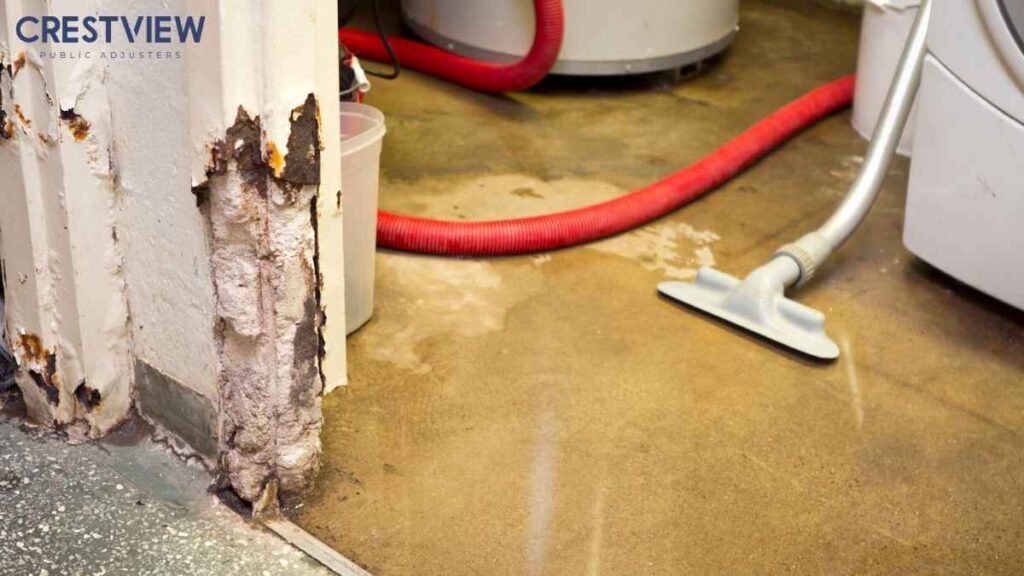
Mistake #5: Accepting A Denial Without Reading The Reason Closely
A letter for a water damage claim denied in NY should explain the policy provision or exclusion used. The owner should compare that reason with the timeline, photos, plumber reports, repair estimates, and policy wording.
New York claim rules also set timing standards:
- Insurers must acknowledge a claim within 15 business days.
- They must start claim investigation procedures within 15 business days and tell the claimant what documents may be needed.
- After receiving a properly executed proof of loss and requested documents, insurers must accept or reject the claim within 15 business days unless more investigation is needed.
At Crestview Public Adjusters, we review the policy, damage record, denial letter, and repair estimates for homeowners, condo owners, landlords, and business owners dealing with water damage in New York. A public adjuster for water damage in New York can help organize the claim before the insurer’s decision becomes harder to challenge.
What To Do If The Claim Is Already Denied
Water damage claim denials do not always end the claim. Start with the reason in writing and work backward from the facts.
Take these steps:
- Read the denial reason and policy section.
- Request the claim file or missing explanation.
- Gather photos, estimates, plumber reports, and building emails.
- Compare the insurer’s reason with the known cause of loss.
- Ask for reconsideration if evidence was missed.
- File a New York Department of Financial Services, or DFS, complaint if the insurer will not respond.
- Speak with a licensed public adjuster or attorney when the claim value is high or the denial appears unsupported.
NY DFS lets consumers file complaints about insurance companies through its online Consumer Complaint application. Consumers can also add information to an existing complaint.
When To Hire A Public Adjuster For A Water Damage Insurance Claim In New York
A water damage insurance claim in New York may need a New York public adjuster when several units are involved, the water source is unclear, repair estimates are high, or the insurer keeps asking for more records.
Property owners may also hire a public adjuster for water damage in New York after a denial, low offer, or partial payment. The adjuster can review the policy, document the loss, organize estimates, and communicate with the insurer on the policyholder’s behalf.
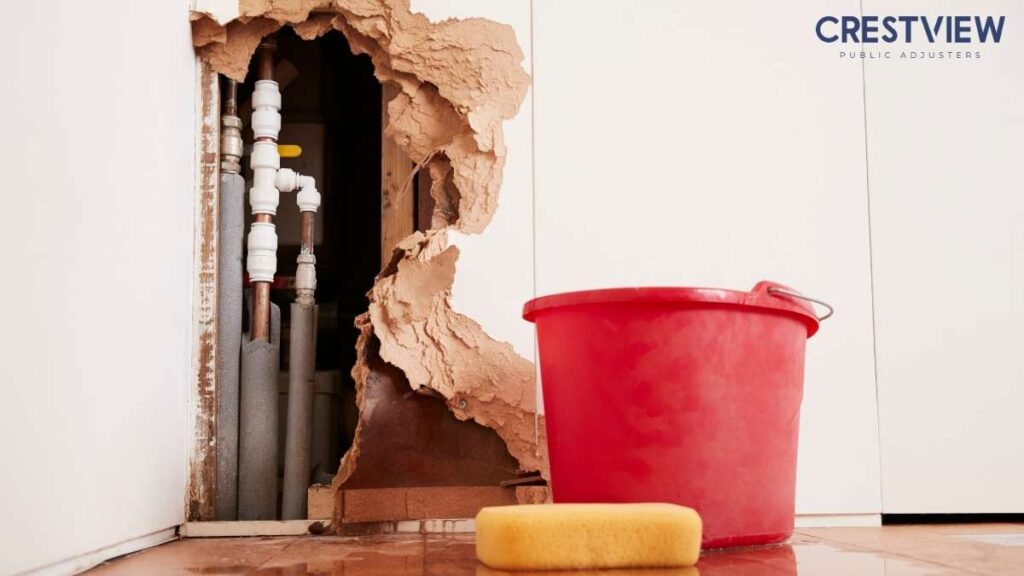
FAQs About Water Damage Claim Denials In New York
How long do I have to file a water damage claim in NY?
A water damage claim in NY should be reported as soon as the damage is found. Most policies require prompt notice, and delays can raise questions about cause, severity, and preventable damage. NFIP flood claims may have separate proof-of-loss deadlines, so check the policy wording right away.
Can I appeal a denied water damage claim in New York?
A denied water damage claim in New York can often be challenged with added proof. The basic steps are:
- Read the denial letter.
- Gather missing documents.
- Request reconsideration.
- File a DFS complaint if the dispute remains unresolved.
Does NY insurance cover sewer backup or sump pump failure?
NY insurance may cover sewer backup or sump pump failure only when the policy includes the right endorsement. Standard homeowners or unit policies may exclude those losses. Some insurers offer water backup endorsements for sewer lines, toilets, and sump pumps, but limits vary by insurer.
Protect Your Claim Before The Denial Letter Arrives
Water damage claims in New York can become complicated when old plumbing, shared buildings, policy exclusions, and unclear reporting all meet in one claim file. A stronger claim starts with clear proof, accurate wording, and fast action after the damage appears.
At Crestview Public Adjusters, we help policyholders review water damage claims, denied claims, and underpaid losses across New York, including NYC property owners with apartments, condos, co-ops, commercial spaces, and mixed-use buildings.
Don’t wait until you get a denial letter to get an expert on your side. If you are dealing with water damage or an unfair offer from your insurance company, we can help. Reach out to us to review your policy and your damage so you can focus on getting your property back to normal.