
Key Points:
- Winter damage prevention directly affects whether your insurance claim is approved or denied because policies require reasonable maintenance and freeze protection.
- Insurers often deny claims for burst pipes, ice dams, or roof leaks when the heat was off, gutters were clogged, or damage appeared gradual.
- Strong documentation, weather records, and maintenance receipts help overturn unfair denials.
Winter comes, you seal the windows, turn off the faucets, and think you are ready. Then a deep freeze hits, a pipe bursts, water pours through the ceiling, and your insurer sends a letter saying the loss was “preventable” and will not be covered.
For many owners in New York, New Jersey, Pennsylvania, and even Florida, winter damage prevention and insurance rights are tightly connected. Insurers look closely at how you maintained the property long before a winter storm.
At the same time, winter storms now cause more than $7 billion in insured losses in the United States each year, up from about $2 billion a decade ago.
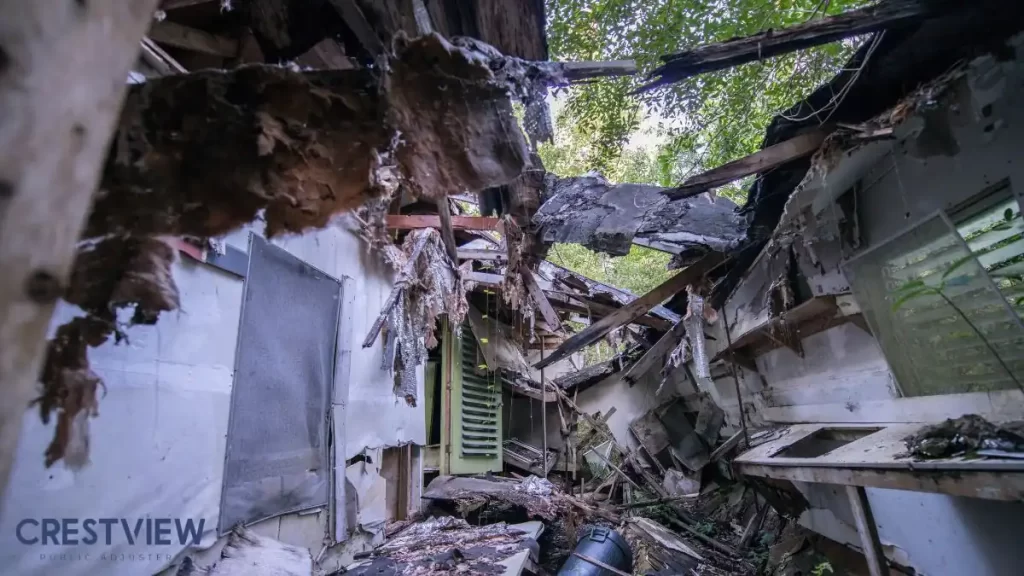
Why Your Prevention Efforts Directly Affect Your Insurance Coverage
Insurance policies usually include language that requires “reasonable care” of the property. If an insurer believes winter losses happened because you ignored basic maintenance, they may try to deny or reduce payment on a winter storm claim.
Homeowners and commercial policies often cover sudden and accidental water damage, but they can exclude losses tied to long-term neglect or failure to protect pipes and roofs in cold weather. If you leave a building unheated for days in freezing temperatures, an adjuster may argue you did not take reasonable steps to prevent winter property damage.
Cold-weather property protection also ties into the duty to mitigate damage after something goes wrong. If you delay shutting off water, leave openings unpatched, or skip basic winter home maintenance insurance tasks like clearing snow from vulnerable areas, the insurer may argue some of the loss falls on you.
When you treat winter damage prevention as part of winterizing home insurance coverage, you build a record that you took your responsibilities seriously and that the policy should respond when a storm still causes harm.
The 6 Winter Prevention Steps That Protect Both Your Property and Your Claim
Winter damage prevention is strongest when it focuses on the issues insurers look at later. These six steps help reduce risk and also create evidence that you did your part.
Step 1: Frozen Pipe Prevention Starts Before Temperatures Drop
Frozen pipe losses are one of the most expensive winter claim drivers. Data show that about 21% of US homes face a risk of frozen pipes each winter, and the average frozen pipe insurance claim is around $ 18,000.
Simple frozen pipe prevention steps include:
- Insulate exposed lines in unheated areas such as garages, crawl spaces, and basements.
- Keep indoor heat on, usually at 55°F or higher, even if the property is vacant for a short period.
- Let faucets trickle during extreme cold to keep water moving through vulnerable pipes.
Insurers may cover a burst pipe water damage claim if you took reasonable precautions. Some regulators even note that coverage may depend on whether you tried to prevent freezing in the first place.
Step 2: Clean Gutters To Support Ice Dam Prevention
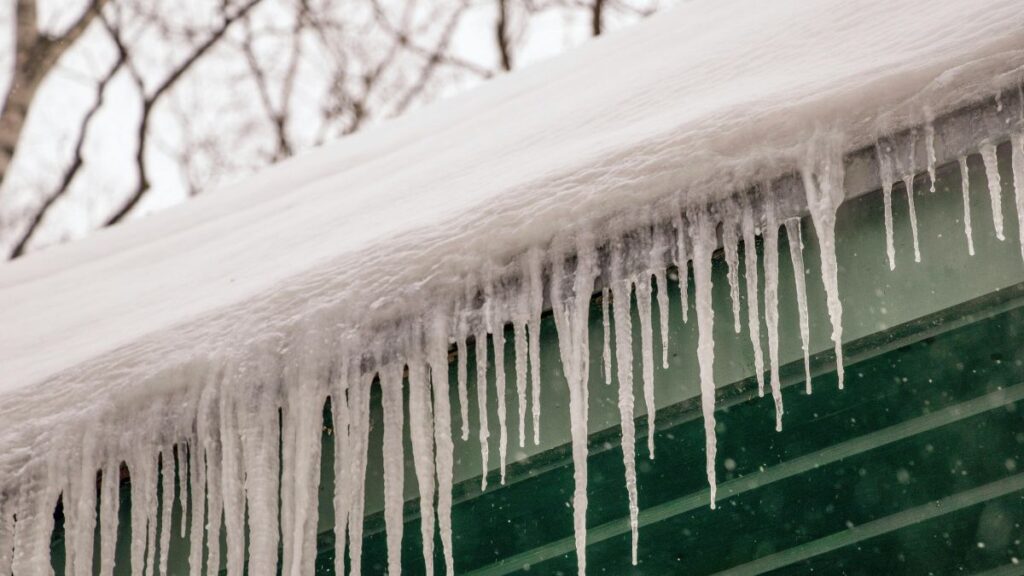
Clogged gutters trap melting snow on the roof, which refreezes at the edges, forming ice dams. Water can then work under shingles and into walls.
For winter home maintenance insurance disputes, adjusters often check whether gutters and downspouts were clear before the storm. To reduce risk:
- Schedule a gutter cleaning in late fall before regular freezes start.
- Check downspout extensions, so water flows away from the foundation, not back toward it.
- Remove debris after heavy leaf fall if trees hang over the roof.
If an insurer can show long-ignored gutter problems, they may claim the water intrusion resulted from deferred maintenance rather than a covered winter storm event.
Step 3: Use a Winter Home Inspection To Document Roof Condition
A winter home inspection of the roof, flashing, and attic ventilation often reveals worn shingles, loose flashing, or areas where snow can collect. These weak spots can turn into leaks after one heavy storm.
To prevent winter property damage and support your claim later:
- Have a qualified roofer inspect the roof before the first major snow.
- Repair obvious defects like missing shingles or cracked sealant.
- Take dated photos of the roof once repairs are done.
When winter storm damage prevention in NY and NJ fails, and a claim is filed, those inspection records help counter an argument that the roof was already in poor shape.
Step 4: Trim Overhanging Branches Before Snow Loads Build Up
Overhanging or dead branches above roofs, cars, and power lines are a frequent source of winter losses. Heavy snow and ice can bring them down on buildings or parked vehicles.
To support winter storm preparation:
- Remove dead or cracked limbs near roofs, sidewalks, and driveways.
- Keep tree branches clear of siding and windows to prevent them from scraping in high winds.
- Hire an arborist if a large tree leans toward the structure.
If a limb was clearly dead or hazardous for months, an insurer may try to frame the resulting storm damage claim as a maintenance issue rather than a covered event.
Step 5: Improve Attic Insulation and Ventilation To Limit Ice Dams
Uneven roof temperatures help ice dams form. Warm attic air melts snow from below, which then refreezes at the colder eaves.
For stronger winterizing home insurance coverage support:
- Add insulation to the attic floor to keep heat in the living spaces rather than in the roof deck.
- Install or clear soffit and ridge vents so cold air can circulate through the attic.
- Seal air leaks around light fixtures, chimneys, and attic hatches.
Insurers in colder regions sometimes request attic or roof documentation when evaluating ice-dam damage. Showing you addressed insulation and ventilation can help contest a negligence claim.
Step 6: Document Winter Damage Prevention Before Storm Season
Good documentation turns winter damage prevention into evidence. Photos and records prove what the property looked like before a loss and what you did to stay ready.
Practical steps include:
- Take date-stamped photos of roofs, gutters, pipes, and key systems every fall.
- Keep maintenance receipts for cleanings, inspections, and repairs.
- File digital copies so you can access them easily if a claim arises.
When you later need to prevent winter insurance claims from being denied, these records show that you treated cold weather property protection as an ongoing responsibility, not an afterthought.
How Do Insurance Companies Evaluate Winter Storm Claims?
Winter claim reviews usually focus on three simple questions:
- Was the damage sudden and accidental?
- Did you take reasonable preventive steps?
- Do your records support your account of what happened?
The “sudden and accidental” standard separates covered events from gradual wear and tear. A pipe that bursts during a record freeze may be covered. A pipe that has leaked slowly for months often falls outside standard coverage.
Insurers also compare your description of the loss to inspection findings. Words like “winter storm water damage” can align better with policy language than vague terms like “leak,” especially in a water damage claim.
Adjusters then check your maintenance history, including any winter home inspection reports, heating records for vacant buildings, and contractor invoices.
Commercial properties in NY and NJ may face additional questions about vacancy clauses and heating requirements for multi-unit or seasonal buildings, making documentation even more important there.
Why Winter Damage Claims Get Denied Even When They Feel Legitimate
An owner can do a lot right and still see a denial or an underpaid insurance claim. Some of the most common reasons include:
- Alleged negligence: The insurer argues you failed to maintain heat, left known problems unaddressed, or skipped basic winter preparation.
- Flood reclassification: Snowmelt that seeps through foundations or enters from outside is labeled “flood,” which standard policies usually exclude without separate flood coverage.
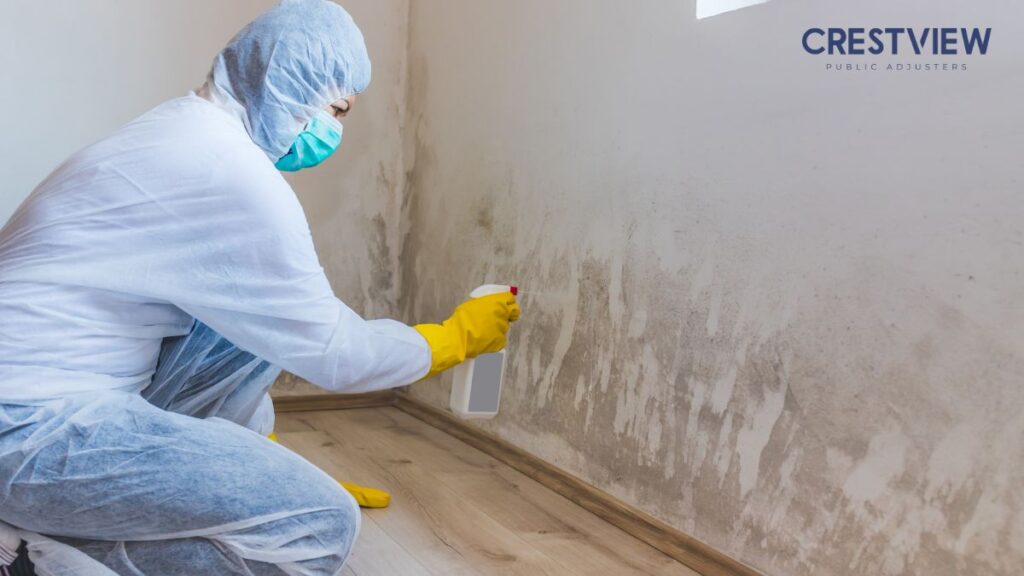
- Gradual damage: Repeated freeze-thaw cycles or long-term moisture issues are treated as wear and tear rather than as covered storm surge damage.
- Vacancy or occupancy issues: A home or building left unheated or unoccupied longer than the policy allows may trigger exclusions.
The frustrating part is that many winter storm denials can be challenged. Strong records of winter damage prevention, clear weather data, and contractor opinions sometimes suggest that the loss was sudden and storm-related rather than due to slow deterioration.
Your Claim Was Denied: What To Do Next
A denial letter does not have to be the end of the story. You still have options to protect your rights and reopen a winter storm or water damage claim.
Practical steps include:
- Request a written denial: Ask for the specific policy language and facts the insurer used to deny or reduce payment.
- Review the policy yourself: Compare the cited exclusion to how the loss actually occurred. Pay close attention to sections on freezing, vacancy, and gradual damage.
- Gather counter-evidence: Collect date-stamped photos, maintenance receipts, pre-winter inspection reports, and contractor statements that show the loss came from a sudden winter event.
- Use weather data: Print local weather reports that document extreme cold, snowfall, or ice around the time of the loss. This helps support that the damage is tied directly to a storm.
- Consider hiring a public adjuster: A licensed public adjuster works for you, not the insurance company, and can re-document the loss, calculate the full value, and challenge an underpaid insurance claim or denial on your behalf.
Remember that many owners accept the first offer simply because they are tired of the process. A fair storm damage claim settlement often comes only after careful review and pushback.

FAQs About Winter Damage and Insurance Claims
Does insurance cover winter storm damage?
Yes, insurance typically covers winter storm damage when the loss is sudden and accidental, such as roof collapse from heavy snow, falling trees, or burst pipes. Standard policies usually exclude flood damage from rising groundwater. Separate flood insurance is required for surface water or external flooding events.
What is the biggest mistake people make with a winter damage claim?
The biggest mistake people make with a winter damage claim is repairing damage before fully documenting it. Missing photos, videos, and a written inventory weaken proof of loss and reduce settlement potential. Accepting the first offer without independent estimates is another costly error.
How do you get insurance to pay fairly for storm damage?
You get insurance to pay fairly for storm damage by documenting prevention efforts and all visible damage with detailed photos, videos, and written inventories before repairs begin. Report the claim promptly and describe the event as sudden if accurate. Independent contractor estimates, weather data, and written reinspection requests strengthen negotiations.
Protect Your Winter Claim Before And After A Storm
You have seen how winter damage prevention protects more than just your roof and pipes. It also protects your right to make a strong claim when a severe storm still finds a weak spot in your property. Prevention steps, good records, and clear communication all help reduce the risk of a denial or a low settlement, yet even prepared owners in NY, NJ, PA, and FL can still run into unfair outcomes.
Crestview Public Adjusters works only for policyholders and helps owners in Florida, New York, Pennsylvania, and New Jersey re-examine denied or underpaid winter storm claims, document losses in detail, and pursue the full settlement allowed by the policy. Our team reviews your policy, your prevention efforts, and your damage records so you are not facing the insurance company alone.
Reach out for a free claim assessment today, available 24/7. Our team can review your winter damage claim, explain your options, and help you push for a fair result before you sign anything.