
Key Points:
- File a winter storm damage claim in NJ and NY by documenting all ice, snow, and freeze damage with photos and video before cleanup, then notifying your insurer immediately to obtain a claim number.
- Standard homeowners’ policies typically cover sudden roof collapse from snow weight and burst pipes, but exclude external flooding.
- Attend the adjuster inspection, compare estimates carefully, and challenge underpaid items in writing.
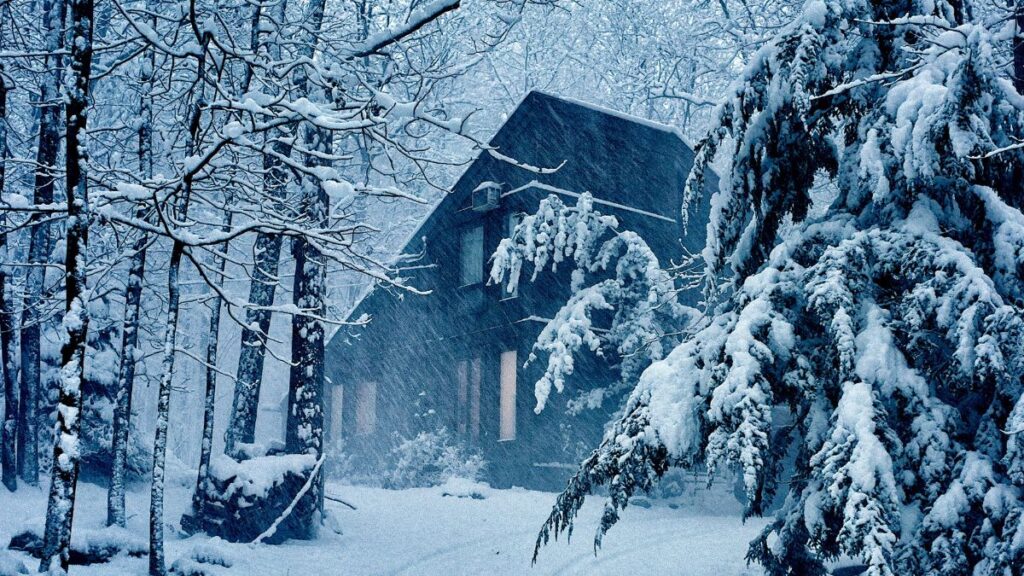
Snow on flat roofs, ice hanging from gutters, and frozen pipes are a normal part of winter in New Jersey and New York. When a big storm hits, though, the damage can feel anything but normal. Repairs are expensive, and dealing with insurance adds more stress.
This guide explains how to file a winter storm damage claim in NJ and NY, from coverage basics to documentation and adjuster visits.
Understanding Winter Storm Insurance Coverage Before You File
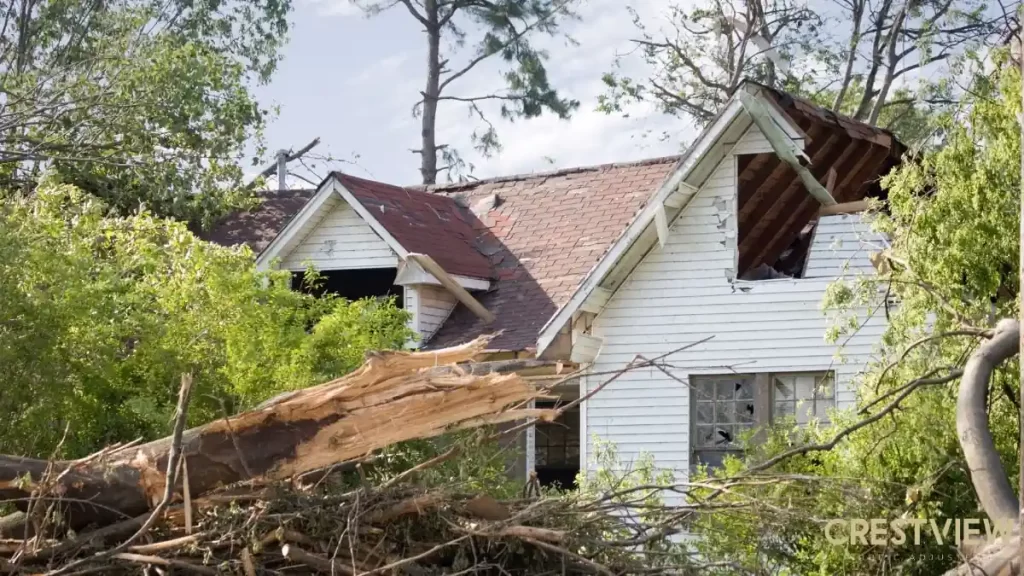
Before you clean up, it helps to know what winter storm coverage typically includes. A single nor’easter or deep freeze can create several problems at once, and each may fall under a different part of your policy.
Standard homeowners’ policies often cover sudden damage from wind, snow, ice, and freezing. Consumer guidance explains that many policies cover damage caused by snow or ice that collapses, and by frozen pipes that burst and release water inside the home.
In NJ and NY, common covered losses include:
- Snow weight that damages or collapses a roof, leading to a snow damage roof claim or snow roof collapse claim.
- Ice dams that push water under shingles and into walls or ceilings, which may fall under an ice dam insurance claim.
- Frozen or burst pipes that soak floors, walls, and belongings, forming a frozen pipe damage claim.
- Wind damage, downed branches, broken windows, and torn-off siding.
- Freeze damage to gutters, exterior plumbing, and some structural parts.
Coverage usually depends on whether damage is sudden and accidental, not slow wear or neglect. Flooding from outside sources, such as water or snowmelt, usually requires separate flood insurance.
Now let’s get on to the steps on how to file a winter storm damage claim.
Step 1: Stay Safe And Stop Extra Winter Damage
Winter weather property damage can hide serious risks. Roofs can sag under heavy snow, ceilings can bow from trapped water, and live wires can be buried in debris.
Move carefully as you check your property:
- Stay off snow- or ice-covered roofs.
- Watch for bulging ceilings or new cracks that suggest stress from snow load.
- Shut off water at the main valve if you suspect frozen pipe damage.
- Cut power in rooms with standing water.
Insurance regulators advise owners to take reasonable steps to protect property from further harm and save receipts for emergency work such as tarping or boarding.
Short-term steps that usually help:
- Tarp small roof openings if it is safe to reach them.
- Place buckets or plastic under active leaks.
- Run fans or dehumidifiers in wet areas.
- Board up broken windows and doors.
Permanent repairs should wait until damage is documented and your insurer is notified, unless safety demands immediate action.
Step 2: Document All Ice, Snow, And Freeze Damage
Good documentation is the backbone of any strong winter storm damage claim. Many owners lose money by cleaning too quickly or forgetting to record certain rooms.
Start by taking a slow walk inside and outside:
- Photograph each room from several angles, including ceilings, walls, floors, and windows.
- Take close-ups of cracks, stains, warped boards, damaged pipes, and ice buildup.
- Record video walk-throughs of the exterior, roof edges, gutters, and visible ice dams to document winter damage.
- Turn on date, time, and location settings so images carry built-in data.
- Save local weather information from the National Weather Service or similar sources to show storm dates and severity.
Keep a written list of damaged rooms and items with rough ages and values. This level of winter property damage assessment makes it easier to prove what happened and when.
Step 3: Look For All Types Of Winter Losses, Not Just The Obvious
Winter storms in NJ and NY rarely cause just one problem. One event can trigger an ice damage insurance claim NJ owners care about, along with roof, interior, and plumbing issues. If you only focus on one area, you may miss other covered losses.
Use a simple checklist:
1. Snow and roof issues
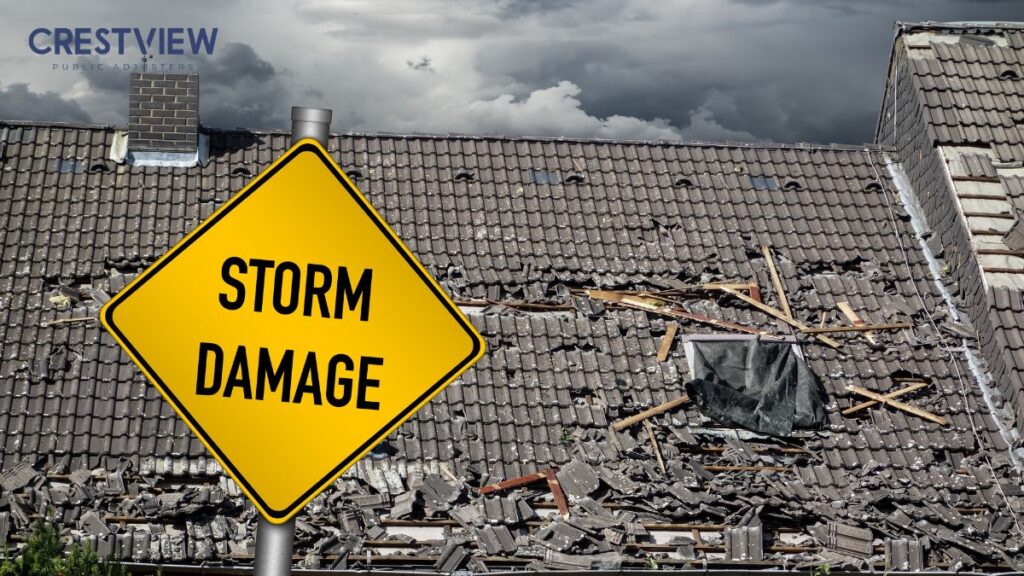
- Check for missing shingles, sagging roof lines, loose or bent gutters, and damaged flashing.
- Look inside for fresh ceiling stains, damp insulation, or peeling paint. These may support a snow damage roof claim.
2. Ice dams and interior leaks
- Scan roof edges for thick ice ridges.
- Look for water lines on walls or around windows, especially after a thaw.
- Note leaks that appear only as snow melts. This pattern often points to ice dam damage.
3. Frozen and burst pipes
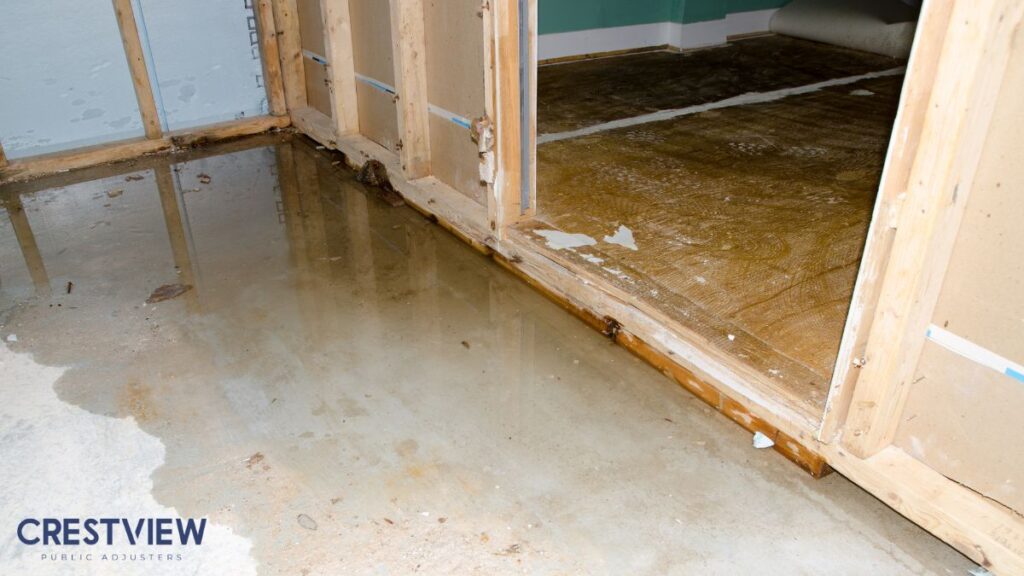
- Check basements, crawl spaces, and unheated areas for wet drywall, swollen trim, or pooling water.
- Note where the water stopped flowing and when you first saw leaks.
- In New York winter claim summaries, burst pipes and ice dams show up as some of the most frequent and costly cold-weather property damage NY owners report.
4. Exterior freeze damage
- Look for cracked masonry, damaged stucco, split gutters, and loose siding that may fall under freeze damage insurance.
List each damage type separately for the claim. A clear list helps the adjuster understand that this is more than a single roof leak.
Step 4: Contact Your Insurer Quickly And Open The Claim
Most policies in NJ and NY require prompt notice of loss. New Jersey’s insurance department advises owners to contact their company as soon as possible after storms and keep records of all contact.
When you are ready to call or file online:
- Have your policy number and contact information ready.
- Describe the event and damage in simple, factual terms.
- Ask for your claim number and write it down.
- Request confirmation of your report by email or text.
For multi-unit or mixed-use buildings, ask whether business income or loss-of-use coverage may apply, in addition to property damage. That part of winter storm insurance coverage is often missed in early conversations.
Start a claim log to list dates, times, names, and brief notes for each call or email. This record can help if there are delays or disputes later.
Step 5: Prepare For The Adjuster Visit And Stay In Control
The company adjuster’s job is to inspect damage and write an estimate on behalf of the insurer. Being prepared helps you protect your interests during this visit.
Before the inspection:
- Gather your best photos, videos, and written notes.
- Print or list key storm dates and weather data.
- Collect receipts for emergency work, such as tarping, pipe thawing, or temporary lodging.
During the visit:
- Walk with the adjuster through every damaged area.
- Point out all issues from your winter property damage assessment, including less obvious spots like closets or behind large furniture.
- Stay calm and factual. Avoid comments that suggest old problems or poor maintenance.
- Ask questions if something is skipped or dismissed quickly.
Insurance guidance notes that snow and ice can cause hidden structural stress and that extra inspections may be needed after heavy storms. Do not feel rushed into agreeing that the first quick look is enough.
Step 6: Review The Offer Carefully And Decide How To Respond
Once you receive a written estimate and offer, read every line before signing or cashing any check. Winter storm losses are complex, and initial offers often miss parts of the true cost.
Use this quick review process:
- Compare the estimate with your photos and contractor opinions.
- Check that all damage types are listed: roof, interior, pipes, exterior, and any related mold or code issues.
- Confirm whether your policy pays replacement cost or actual cash value and how depreciation is handled.
- Ask the adjuster to explain any large differences between their scope and your contractor’s scope.
Winter storms are a growing source of insured losses, increasing pressure on both companies and policyholders. When you see clear gaps, you can challenge underpaid insurance claims by asking for a reinspection, sending a written counter-estimate, or requesting use of the appraisal clause if your policy allows it.
In more complex situations, a licensed public adjuster can step in to manage the dispute and help you push for a fair winter storm damage claim settlement.
Common Winter Storm Exclusions In NJ And NY
Knowing what may not be covered helps you plan and avoid surprises. Some frequent winter exclusions include:
- Flood from outside water or snowmelt. Rising groundwater or overflowing streams usually require separate flood coverage.
- Long-term or maintenance issues. Old roofs, clogged gutters, and long-standing leaks may be treated as maintenance issues rather than covered under winter weather property damage.
- Unheated or vacant homes. If the heat is off and the pipes freeze, a frozen pipe damage claim is often denied.
- Gradual freeze-thaw damage. Cracks and settling from years of cold cycles can be classed as wear and tear.
These rules vary by policy. Maintenance records and clear evidence of sudden damage can help your side if an insurer points to exclusions.
FAQs About Winter Storm Damage Claims
How do you file a claim for storm damage?
File a claim for storm damage by documenting all damage with photos and video before cleanup, then contacting your insurer immediately by phone or online to obtain a claim number. Prevent further damage with temporary repairs and keep receipts. Attend the adjuster inspection and request a detailed written estimate before settlement.
What should you not say to a roof insurance adjuster?
You should not tell a roof insurance adjuster that the roof was already old, poorly maintained, or leaking before the storm. Avoid guessing about repair costs or causes. State only clear facts about when you noticed the damage and the specific storm conditions to protect your claim.
Will a storm damage claim make your insurance rates go up?
Yes, a storm damage claim can make your insurance rates go up, but the increase depends on claim size, prior claims history, and your insurer’s pricing rules. Large payouts or multiple claims raise risk profiles more than single, isolated events. Major catastrophe years often drive broader premium increases.
Turn Winter Storm Damage Into A Fair Insurance Payout
Winter storms in NJ and NY often leave owners dealing with roof damage, ice dams, frozen pipes, and unclear policy language all at once. When you know how coverage works, document damage well, keep solid records, and ask questions about every line in your estimate, you give yourself a better chance at a fair winter storm damage claim outcome.
Crestview Public Adjusters focuses on these kinds of property claims, offering public insurance adjusting and claims management services for residential and commercial policyholders in Florida, New York, Pennsylvania, and New Jersey.
You can contact our team to review your winter storm claim when you are ready. We will review your policy, photos, repair estimates, and the offer you received, explain your options in clear terms, and help you decide whether to bring in professional representation is the right move for your situation.