
Key Points:
- Water, fire, and flood claims require fast action, proof, and clear roles.
- Insurance adjusters work for carriers, while public adjusters represent policyholders by building counter-scopes, receipts, and proof-of-loss.
- In Florida, the law sets 30-day coverage confirmation and 60-day payment rules, with mediation if disputes remain.
Water, fire, and flood losses can overwhelm homeowners with paperwork, estimates, and strict deadlines. Insurance adjusters handle the first scope, while public adjusters step in to document damages, counter low offers, and organize proof of loss.
Unsure who’s really working for you? This guide explains the first steps, timelines, and documentation that protect your payout.
Water, Fire, And Flood Damage Claims: First Steps That Protect Your Payout
Quick action after water, fire, or flood damage makes a big difference in how much you recover. You must remember, protecting people always comes first. Once it’s safe, start building the record that will support your water damage insurance claim.
Here’s what to focus on:
- Make the area safe.
- Keep everyone out.
- Document before cleanup.
- Report the loss fast.
Receipts Saved, One Claim File, Timeline Log
You might find that organizing early saves headaches later. A single folder can keep everything in one place and prevent missed reimbursements.
Florida law sets clear deadlines once you submit proof of loss. Insurers must confirm coverage within 30 days of receiving it. Undisputed payments must be made or denied within 60 days unless circumstances beyond their control prevent it. A public adjuster water damage specialist can also use this documentation to strengthen your claim if needed.
Insurance Adjusters Vs Public Adjusters: Who Works For You
When a loss happens, it helps to know who is really working on your side. Both types of adjusters play very different roles in your claim process.
Insurer Adjusters Set Scope And Price First
The company’s adjuster is the one who sets the starting point for repairs. Here’s what they handle:
- Inspection. They look at the property, review damage, and interview you.
- Estimate. They prepare the first scope of repairs and share it within 7 days once created.
- Initial payment. Often issued as an advance against the full settlement.
Public Adjusters Build Counter-Scope And Proof
Unlike company adjusters, a public adjuster works directly for you. They build their own estimate, organize receipts, and prepare proof-of-loss to back up your claim. Florida caps their fees: 10% of claim payments in the first year after a declared emergency, then 20% after that.
You might notice this extra layer of documentation can matter most in complex claims, like when a fire damage insurance adjuster reviews losses or when you’re seeking burst pipe insurance help.
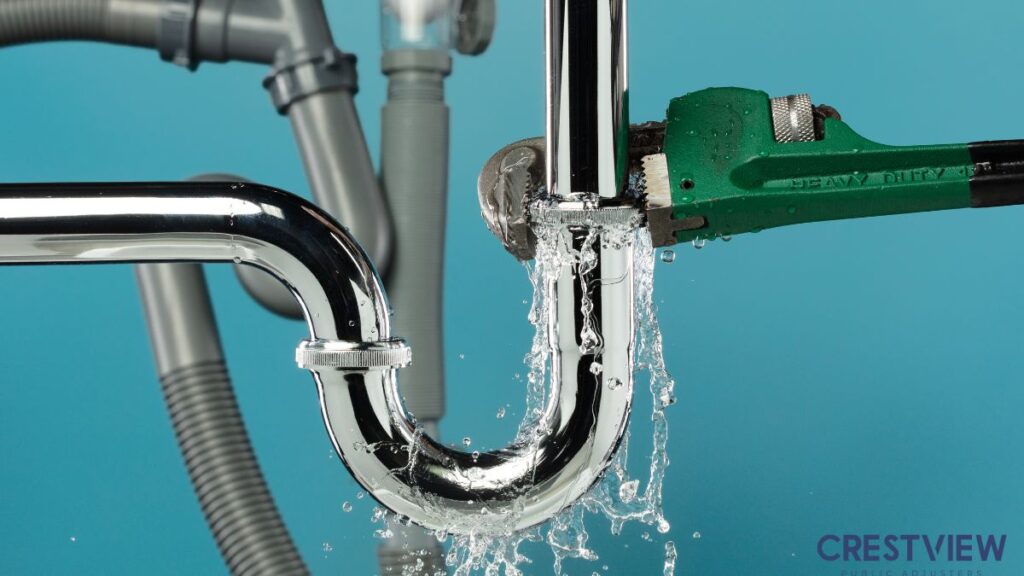
Water Damage And Burst Pipes: Proof That Wins A Water Damage Insurance Claim
Water moves fast, and the paperwork needs to move with it. Solid proof is what keeps your water damage insurance claim on track and prevents disputes later.
Burst Pipe Insurance Help: Plumber Report And Dry-Out Logs
One of the first things insurers check is how the damage started. A plumber’s report confirms the cause and the date, which helps separate sudden breaks from long-term leaks. Here’s the kind of proof that works:
- Plumber report. Written statement confirming cause and timing of the burst.
- Dry-out logs. Daily notes of equipment used and moisture readings.
- Photo record. Before-and-after shots of wet areas and repairs.
Together, these show you acted quickly and met your duty to limit damage when seeking burst pipe insurance help.
Public Adjuster Water Damage: Moisture Map And ALE Log
Water doesn’t stop at what you can see. A moisture map shows hidden damage inside walls and floors, backed by photos that prove removal or specialty drying was necessary.
Here’s what to add:
- Moisture mapping. Room-by-room readings with photos.
- ALE receipts. Itemized lodging, meals, and laundry costs if Additional Living Expenses apply.
- Standards reference. Notes that work followed ANSI/IICRC S500 restoration practices.
A public adjuster water damage specialist can use this documentation to argue the full scope of loss, especially when hidden damage gets overlooked.
Fire Damage Claims: Smoke, Soot, Contents, And Code Costs
A fire damage insurance adjuster looks beyond charred walls. They also assess smoke migration through ducts, attics, and wall cavities, since odor and soot can corrode wiring and electronics if ignored.
Key steps often include:
- Structure scope. Identifying assemblies and finishes that need cleaning or replacement.
- Odor tracking. Tracing smoke paths through HVAC or hidden spaces.
- Standards reference. Restoration aligned with the ANSI/IICRC S700 professional fire cleanup guidelines.
National reports show why thorough documentation matters. In 2023 alone, the U.S. had around 332,000 home structure fires, causing 2,890 civilian deaths and over 10,000 injuries.
Go room by room and record every detail you can. Organized proof helps whether you’re settling directly or working with insurance adjusters on disputed values.
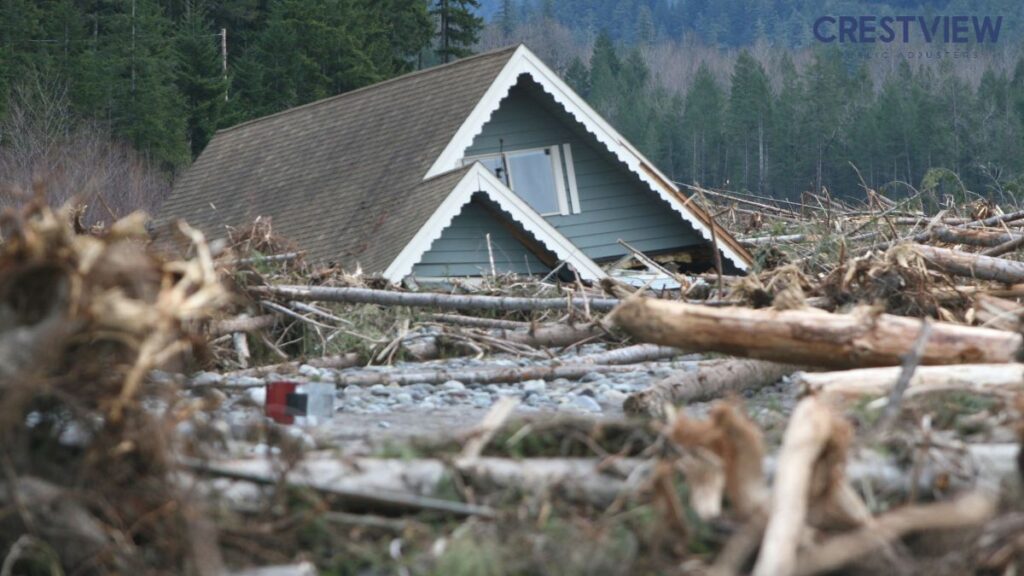
Flood Damage Claims: NFIP Rules And Simple Escalation Paths
Flood claims require a signed Proof of Loss within 60 days of the event unless FEMA issues an extension. When major storms hit, FEMA sometimes publishes bulletins extending the deadline, as it did for Hurricanes Helene and Milton in late 2024.
Here’s what to include:
- FEMA form. Use the official Proof of Loss template.
- Estimates and receipts. Attach licensed repair estimates and receipts.
- Photos and inventories. Show room-by-room damage and contents.
Insurers rely on this proof when their insurance adjusters review flood losses, so detailed attachments matter.
Meanwhile, when disputes over value or scope arise, homeowners have lower-cost options before heading to court:
- DFS mediation. Free state-run program for residential claims.
- Appraisal process. Each side picks an appraiser, and an umpire resolves differences.
- Organized proof. Photos, receipts, and inventories make both processes smoother.
Frequently Asked Questions
What is the role of an insurance adjuster?
An insurance adjuster investigates losses, inspects damage, and prepares an estimate based on policy terms. They request photos, receipts, and contractor bids, then issue payments, often as advances. Policyholders can dispute low estimates, request supplements, or use appraisal if agreement cannot be reached.
Is it worth getting an insurance adjuster?
It is worth getting a public insurance adjuster when claims are complex, documentation is heavy, or insurer estimates seem low. Policyholders often try settling first, but adjusters help build counter-scopes. In Florida, fees are capped at 10% in the first year after emergencies and 20% afterward.
Why are they called insurance adjusters?
They are called insurance adjusters because their role is to investigate losses and adjust the amount payable under a policy. Regulators define them as professionals who assess, negotiate, and settle claims. Company adjusters serve insurers, while licensed public adjusters represent policyholders with counter-scopes when disputes arise.
Focused Help for Complex Claims
Working with the right help ensures your claim is handled correctly from the start. Insurance adjusters and public adjusters in Florida, New York, and New Jersey guide homeowners through inspections, proof-of-loss, and disputes so settlements reflect the true scope of damage.
At Crestview Public Adjusters, we provide the expertise and support policyholders need during water, fire, or flood damage claims. Contact us today to discuss your situation and see how our team can help you secure the recovery you deserve.