
Key Points:
- Incomplete documentation and delayed reporting often result in denied or reduced claims.
- Misunderstanding policy exclusions or admitting fault during initial conversations can severely impact outcomes.
- Hiring a public adjuster early on can help avoid critical filing errors and maximize your settlement.
Homeowners lose billions in water-related insurance claims every year, and a significant portion of these losses come not from the damage itself—but from filing mistakes. If you’re dealing with burst pipes, storm flooding, or hidden leaks, knowing the common mistakes in filing a water damage insurance claim can make the difference between full compensation and financial frustration.
What Are the Common Mistakes in Filing a Water Damage Insurance Claim?
The most common mistakes in filing a water damage insurance claim include failing to act quickly, neglecting proper documentation, miscommunicating with insurance adjusters, and misunderstanding your policy’s exclusions or limits. These errors can delay the process—or worse, result in denial or a reduced payout.
Filing a claim for water damage isn’t just about reporting the issue. It’s about proving your loss, navigating complex language in your policy, and strategically communicating with your insurer. Let’s break down the biggest pitfalls and how to avoid them.
Why Does Acting Quickly Matter in Water Damage Claims?
Time is not on your side when water damage strikes. Many homeowners make the critical mistake of delaying their response or failing to mitigate further damage—both of which can harm your chances of a successful claim.
Insurance companies expect you to act fast. That doesn’t just mean calling them—it also means stopping the source of water (if possible) and preventing additional damage. Most policies include a “duty to mitigate” clause, which means the burden is on you to minimize the extent of the damage.
Delays can lead to:
- Mold growth that insurers often won’t cover.
- Larger, costlier damages that could have been prevented.
- Suspicion from your insurance company that the damage was due to neglect.
Here’s what you should do immediately:
- Shut off water sources and electricity if needed.
- Document everything—even before you clean up.
- Notify your insurer within 24 to 48 hours.
- Hire professionals to handle water removal and damage control.
- Keep all receipts related to temporary repairs or emergency work.
Taking these actions shows your insurer that you acted responsibly—and it strengthens your claim.
How Important Is Proper Documentation?
One of the most frequent water damage claim errors is poor or incomplete documentation. If you can’t prove the extent of your loss, you won’t be compensated fully—if at all.
Before you touch a mop, snap pictures. Photos and videos are your first line of defense.
Include documentation like:
- Wide shots of affected rooms
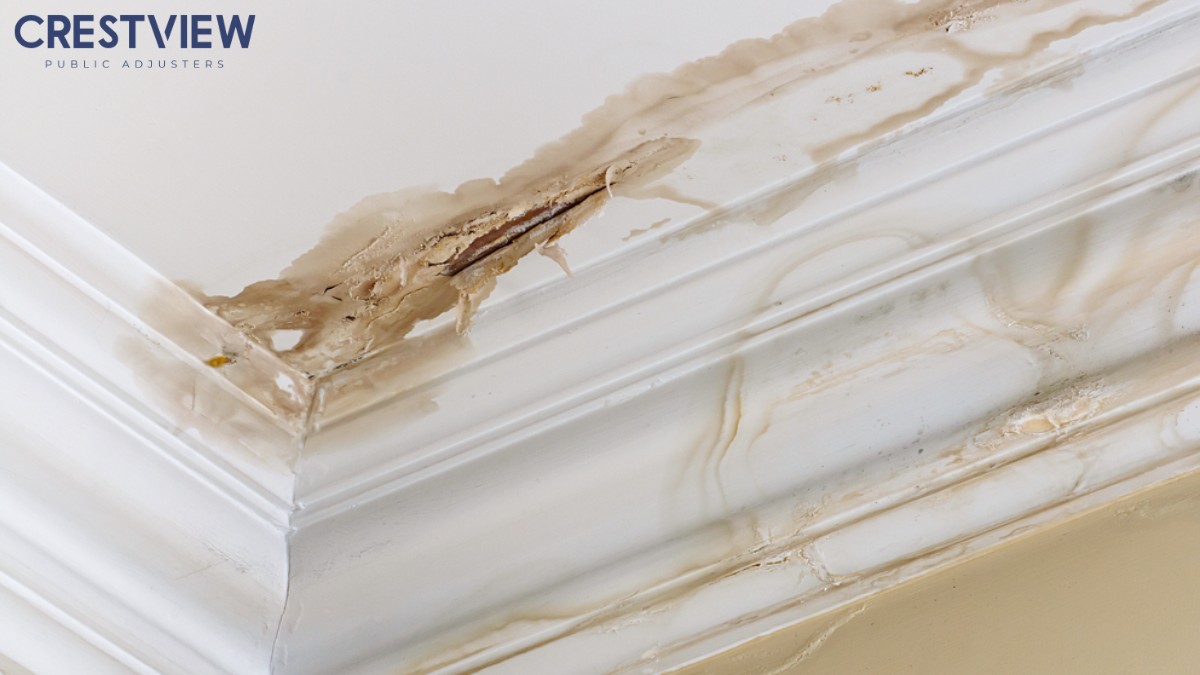
- Close-ups of damage (e.g., swollen wood, peeling paint)
- Water levels (if flooded)
- Damaged personal property
- Moisture readings (if available)
Beyond visual proof, keep written records:
- Date/time of incident
- Steps you’ve taken to mitigate further damage
- Communication with your insurer and contractors
- Copies of all receipts, estimates, and service contracts
Tip: Don’t throw out damaged property until your adjuster sees it—or take detailed photos before disposal.
What Should You Know Before Talking to an Insurance Adjuster?
One of the most damaging mistakes is saying the wrong thing too early. Your first conversation with the insurance adjuster sets the tone for your entire claim. Saying “It’s probably my fault,” or speculating on the cause can jeopardize your payout.
Keep your language objective and factual. Avoid making assumptions. If you’re unsure about the cause of the damage, it’s okay to say, “I’m still assessing the extent. We’re working on gathering documentation.”
More tips when communicating with adjusters:
- Never admit fault.
- Don’t guess at costs—submit contractor estimates instead.
- Avoid letting them rush you into accepting a quick settlement.
- Request all communication and decisions in writing.
Your insurance adjuster works for the insurance company—not for you. This is why many homeowners bring in a public adjuster to represent their interests during inspections and negotiations.
Do You Fully Understand Your Policy?
Misinterpreting your policy is a critical mistake. Many people assume all types of water damage are covered—but that’s not the case.
Policies often have strict rules about:
- Sudden vs. gradual damage: A burst pipe might be covered, but a slow leak over months might not be.
- Flood vs. water damage: Water damage from inside your home (like a pipe) is different from flood damage caused by heavy rain or rising groundwater. Floods typically require separate flood insurance.
- Sewer or sump pump backups: These often need an added rider.
Common language to watch for:
- “Wear and tear”
- “Neglect”
- “Excluded perils”
- “Actual cash value” vs. “Replacement cost”
If you’re unsure, request a certified copy of your policy and have someone explain it—ideally a licensed public adjuster.
What Happens When You Accept a Lowball Offer?
It’s tempting to accept a quick payout, especially when you’re dealing with repairs—but many homeowners settle for far less than they’re owed. Once you cash that check, it’s game over. You may be waiving your right to pursue additional compensation.
To protect yourself:
- Don’t sign or accept anything without understanding it.
- Get a second opinion from a contractor or public adjuster.
- Review the scope of work your insurer has approved.
Red flags that suggest you’re being lowballed:
- The adjuster skips parts of the inspection.
- They base damage on outdated or inaccurate pricing.
- They ignore or undercount damaged personal items.
- They don’t explain deductions or depreciation clearly.
A seasoned public adjuster can review the insurance company’s offer and help you push back—without the emotional or financial stress of doing it alone.
Why Hiring a Public Adjuster Can Save Your Claim
Most policyholders don’t realize they have the right to bring in their own adjuster. A public adjuster represents you, not the insurance company, and ensures that your documentation, damage valuation, and negotiations are handled professionally.
Benefits of working with a public adjuster:
- Accurate assessment of damages, including hidden ones
- Full policy review to maximize covered items
- Skilled negotiation with your insurer
- Reduced risk of claim denial or underpayment
While public adjusters charge a percentage of your payout (typically 10–20%), the difference they can make in your final settlement often outweighs the cost.
Final Tips to Avoid Common Claim Mistakes
Even if your situation seems straightforward, water damage claims can become complex quickly. Avoid these additional pitfalls:
- Failing to keep communication in writing. Always document calls and emails.
- Starting permanent repairs before inspection. Insurers may deny claims if damage isn’t verified.
- Assuming you’re covered for everything. Review exclusions and limitations.
- Trusting verbal promises. Always request confirmations in writing.
Quick Fixes That Can Cost You the Claim
Rushing through the claim process can lead to simple but damaging errors. Here are a few seemingly harmless actions that can derail your chances at a proper payout:

Get Expert Help with Your Water Damage Claim Today
Don’t let a single mistake cost you thousands. Filing a water damage insurance claim isn’t just about reporting the damage—it’s about proving it, documenting it, and defending your right to a fair settlement. Whether you’re dealing with a busted pipe in Brooklyn or storm damage in Tampa, having an expert on your side can change everything.
Crestview Public Adjusters helps policyholders navigate the complicated world of water damage claims in New York, New Jersey, and Florida. We know how insurers work—and more importantly, how to work around the roadblocks they set up.
Let us help you file your claim the right way from the start. Contact Crestview Public Adjusters today for a consultation and protect your claim from costly mistakes.