
Key points:
- Document everything quickly, photos, receipts, water bills, to strengthen your water damage claim.
- Understand your policy’s sudden damage vs gradual leak rules, many claims fail on that distinction.
- Engage a public adjuster or legal advisor to negotiate and appeal a low settlement effectively.
Plumbing issues often strike without warning. A burst pipe, leaking joint, or failed appliance can leave floors, walls, and belongings soaked, leading to expensive repairs and even mold growth. The difference between a successful payout and a denied claim often hinges on how well the damage is documented and presented.
That’s why knowing the right steps makes all the difference. In the sections ahead, you’ll see how insurers evaluate plumbing-related water damage, the common mistakes that reduce settlements, and how professional guidance can help you secure the compensation you deserve.
Why plumbing failures lead to complicated claims
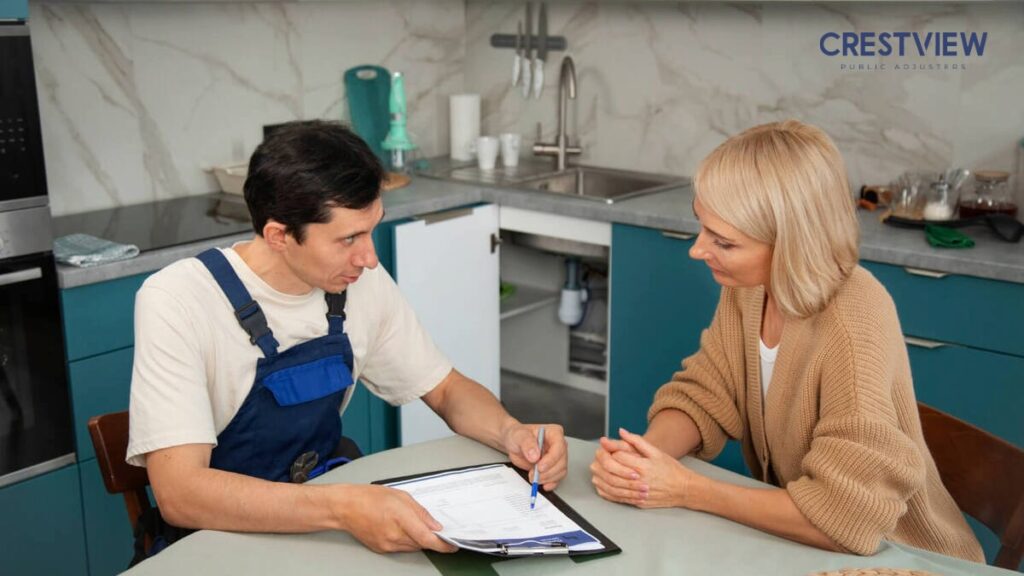
Not all water damage is equal in an insurer’s eyes. Policies typically distinguish sudden, accidental events from slow, neglected damage. Sudden events such as a pipe burst are often covered under a homeowners policy, while gradual leaks tied to poor maintenance commonly are not. Flooding from outside sources, including heavy rain or storm surge, is generally excluded and requires separate flood insurance.
Immediate steps that protect health, property, and your claim
Take these actions right away, they both limit loss and strengthen your claim:
- Stop the source, shut off the main water if necessary, and hire an emergency plumber.
- Take time-stamped photos and video of every damaged area, appliance, and personal item before cleanup.
- Make a detailed inventory of affected items, including model numbers and purchase dates where possible.
- Keep receipts for emergency repairs, secured storage, and mitigation work.
- Avoid major permanent repairs until the insurer inspects, unless needed to prevent further damage.
Doing this early shows you mitigated damages, a standard insurers favor when determining coverage. Learn what to do immediately after discovering water damage to ensure you’re taking all the right steps from the start.
Documenting damage, the evidence insurers respect
Insurance outcomes hinge on the quality of documentation. Use this checklist:
- Time-stamped photos and videos, capturing overall rooms and closeups of source points.
- A written timeline showing discovery, mitigation actions, contractor visits, and communications with the insurer.
- A professional plumber’s report describing cause, visible failures, and whether damage appears sudden or long-standing.
- An itemized contents inventory with replacement estimates and receipts where available.
- Moisture readings and drying logs if a remediation contractor is used.
Public adjusters and restoration contractors know what adjusters will request and can help assemble claimant-ready documentation. For a comprehensive guide, review how to properly document water damage for an insurance claim.
Common coverage pitfalls and how to avoid them
Claims are frequently reduced or denied for a few recurring reasons:
- Gradual damage, wear, or maintenance neglect is excluded by many policies, document maintenance history to rebut this.
- Flood damage is excluded from homeowners policies, and must be claimed under a flood policy like NFIP or private flood insurance.
- Sewer and drain backups are often not covered unless a rider is purchased, adders can be inexpensive relative to replacement costs.
- Mold or mildew resulting from long-term neglect is frequently excluded, but prompt mitigation and documented remediation increases coverage chances.
Before a loss, review your declarations page for endorsements and riders, especially for sewer backup and specific water-related coverage. Understanding what is covered in a water damage claim helps you avoid surprises when filing.
Health and remediation: mold, contaminants, and safety

Water from plumbing failures can be clean, gray, or black depending on contamination level. Black water, such as sewage, requires professional remediation and careful documentation of biohazard cleanup. Mold can begin to grow within 24 to 48 hours, creating both health and coverage complications. Follow federal guidance for safe cleanup, drying timelines, and personal protective equipment.
Keep remediation logs and contractor invoices; insurers often expect quick, documented action. If mold develops after water damage, filing a timely and well-documented claim becomes even more critical to securing coverage.
State-specific considerations: New Jersey, New York, Florida
Insurance rules and recovery resources differ by state. These are the highlights homeowners should know.
New Jersey residents can access state consumer guidance for preparing and filing claims after storm and water events, including tips for documenting losses and contacting your insurer. Local storm-related guidance can affect timelines and emergency resources. For residents in the Garden State, our New Jersey public adjuster services provide local expertise for navigating complex claims.
New York, the Department of Financial Services provides storm recovery resources and a disaster hotline to help homeowners with claims and policy questions, including NFIP-related advice for flood claims. Keep state contact info handy when a large event creates insurer delays. Our New York public adjuster team is ready to help with regional claim challenges.
Florida faces high coastal flood and storm surge risk, and state consumer guides emphasize that flood and hurricane-related water damage often falls outside standard homeowners policies. The Florida CFO’s consumer materials explain timelines and evidence the state recommends saving after a loss. Coastal properties should consult NOAA flood tools to understand exposure. Our Florida public adjuster services cover the unique challenges Florida homeowners face.
When to call a public adjuster or attorney

If your claim is large, disputed, or the insurer is slow, a public adjuster can work for you to value damages and negotiate settlement. Public adjusters are often beneficial when losses include hidden structural issues, complex contents inventories, or contamination cleanup.
When should you hire a public adjuster? The answer depends on the complexity of your damage, the size of your claim, and whether the insurer is cooperating. If legal denial appears likely, consult an attorney experienced in insurance disputes.
Prevention that saves claims and premiums
Preventive steps reduce both the risk of a water event and the chance of denial:
- Install leak detectors and automatic shutoff valves on main lines and appliances.
- Insulate pipes in unheated areas and maintain HVAC and water appliances.
- Add a sewer backup rider if you have a basement or live in an area with known backups.
- Keep home and roof gutters clear, grade soil away from foundations, and maintain sump pumps with battery backup.
The Insurance Information Institute and FEMA offer homeowner prevention guides useful for insurance risk reduction.
How insurers evaluate value, and how to maximize settlement
Insurers may offer Actual Cash Value or Replacement Cost. To maximize settlement:
- Keep original receipts for major purchases and recent photos of valuables.
- Provide contractor estimates for repairs that separate labor from materials.
- Push for itemized line items, not lump-sum offers, to ensure depreciation and code upgrades are fully considered.
- If you disagree with the insurer’s estimate, obtain independent estimates and provide them with supporting documentation.
Consumer resources outline helpful steps for negotiating and when to escalate disputes. Understanding common mistakes in filing a water damage insurance claim can help you avoid pitfalls that reduce your payout.
Frequently Asked Questions
Will my homeowners insurance cover a burst pipe?
Typically yes, if the pipe failure was sudden and accidental. Coverage may be denied for damage from slow leaks or neglect, document maintenance to support your claim.
Is mold damage covered after a plumbing failure?
Coverage depends on whether mold resulted from a covered event and whether you acted quickly to mitigate it. Keep remediation invoices and drying logs; prompt action helps.
Should I hire a public adjuster after major water damage?
If damage is extensive, contaminated, or your insurer undervalues losses, a public adjuster can document and negotiate on your behalf, often increasing settlements.
Plumbing Failures and Water Damage: Filing Smarter Claims
When plumbing failures strike, from burst pipes to hidden leaks, the water damage can spread quickly and cause lasting harm. Unfortunately, insurers often dispute whether the damage is sudden, gradual, or even covered at all, leading to underpayment or outright denial.
Crestview Public Adjusters steps in to protect policyholders from these setbacks. We document every sign of water damage, prepare clear proof of loss, and challenge insurer tactics that aim to limit your payout. From hidden moisture behind walls to extensive plumbing repairs, our team ensures nothing is overlooked.
Contact Crestview today for expert support and secure the full settlement your water damage claim deserves.