
Key Points:
- The “sudden and accidental” clause is a critical factor in determining if water damage is covered under homeowners insurance.
- Insurers interpret this clause strictly, often denying claims that involve gradual or preventable leaks.
- Knowing what qualifies as sudden and accidental can help policyholders avoid costly denials and disputes
According to the Insurance Information Institute, about 1 in 60 insured homes files a property damage claim due to water damage or freezing each year. Yet, many of those claims get denied—not because the damage isn’t real, but because of how the insurance company interprets the “sudden and accidental” clause.
This clause is often the make-or-break factor in determining whether your insurer will pay for repairs. Whether your pipe burst in the middle of the night or you discovered a slow leak behind a wall, understanding the “sudden and accidental” clause in water claims can mean the difference between full coverage and a full-blown headache.
What Does the “Sudden and Accidental” Clause Mean in Water Damage Claims?
The “sudden and accidental” clause means that only water damage that happens abruptly and without warning will generally be covered by your insurance policy.
This doesn’t mean you need to witness it in real time, but the cause must be unexpected, not due to neglect or a long-term issue. Most insurance companies won’t cover damage caused by wear and tear, poor maintenance, or anything that could have been prevented.
Common examples of covered “sudden and accidental” events include:
- A pipe freezing and bursting overnight
- A washing machine supply hose snapping
- A water heater tank suddenly rupturing
- A fire sprinkler malfunctioning and soaking your walls
What’s not covered? Anything that has been leaking slowly over time, like water dripping under your sink for months, mold from poor ventilation, or a foundation leak caused by years of erosion. Those are considered maintenance issues, not sudden events.
What Kinds of Water Damage Are Usually Covered?
Even though water damage is one of the most common insurance claims, coverage is highly conditional. The sudden and accidental clause is a key filter insurers use to decide if a water loss qualifies.
Typically covered water damage includes:
- Sudden burst pipes
- Accidental overflow of tubs, sinks, or toilets
- Broken appliances (e.g., dishwasher hose suddenly snapping)
- HVAC system malfunctions
- Accidental water discharge from fire suppression systems
These incidents are viewed as abrupt, unexpected, and unintended.
However, insurance policies do not cover water damage from:
- Gradual leaks (e.g., under slab or roof leaks)
- Poor maintenance
- Mold caused by long-standing moisture
- Flooding (this requires separate flood insurance)
Insurers often deny claims on the grounds that the damage developed over time, making it your responsibility as a homeowner. That’s why documenting the timing of the incident and any signs of sudden failure is vital.
How Do Insurance Companies Evaluate “Sudden and Accidental” Claims?
Insurers typically bring in an adjuster to evaluate whether the water damage was truly unexpected. Their assessment determines whether the claim falls under the “sudden and accidental” umbrella or not.
Here’s how they typically evaluate claims:

Understanding how your claim will be scrutinized helps you present the strongest case. Photos, written timelines, and even receipts for maintenance can make a difference.
Why Are So Many Water Damage Claims Denied?
Many policyholders feel blindsided when their water damage claim is denied. The “sudden and accidental” clause is often the reason—but not always clearly explained in the policy or by the insurer.
Common reasons for denial include:
- Evidence of long-term leakage
- Failure to maintain the plumbing system
- Delay in reporting the damage
- Lack of documentation to prove sudden occurrence
These aren’t technicalities—they’re deliberate ways insurers reduce payouts. The burden of proof often falls on you to show that the damage wasn’t avoidable or known beforehand.
This is why it’s crucial to respond quickly, gather evidence, and understand your policy’s exclusions. The sooner you act, the better your odds of getting compensated.
Can You Appeal a Denied Water Claim?
Absolutely. If your claim was denied, it doesn’t have to be the final word.
You can take these steps to challenge a denial:
- Request the full denial letter in writing
- Review the stated reasons for denial and compare them to your policy wording
- Gather supporting evidence like maintenance records, expert opinions, and photos
- Hire a public adjuster to reevaluate the damage and negotiate on your behalf
- Submit a formal appeal within the timeframe allowed by your insurer
Sometimes, insurance companies make incorrect judgments—or rely on vague language in their favor. But having an expert on your side can shift the balance.
How Can a Public Adjuster Help with Water Damage Claims?
Unlike the insurance company’s adjuster—who represents their interests—a public adjuster works for you. They specialize in interpreting complex policy language, documenting and valuing the full extent of your loss, negotiating directly with the insurance company, filing appeals if your claim has been denied, and maximizing your payout based on eligible damages. When it comes to complex issues involving the “sudden and accidental” clause, a public adjuster can offer the clarity and leverage you need. Their role is to protect your interests, not the insurer’s bottom line.
What Are Examples of Real-World Claim Scenarios?
Let’s break down two water damage claims and how the sudden and accidental clause impacted them.
Scenario 1: Covered Event – A homeowner hears a loud pop in the middle of winter. A pipe in their attic burst and flooded two rooms. Because the damage happened instantly and due to freezing (an external force), the claim was covered.
Scenario 2: Denied Claim – Another homeowner notices a warped floorboard in the kitchen. Upon inspection, a small leak under the sink had been dripping for weeks. The insurer deemed the damage gradual and preventable. The claim was denied.
These stories are common—and highlight how insurers interpret the clause. Being proactive and understanding what qualifies as sudden and accidental can help you avoid costly surprises.
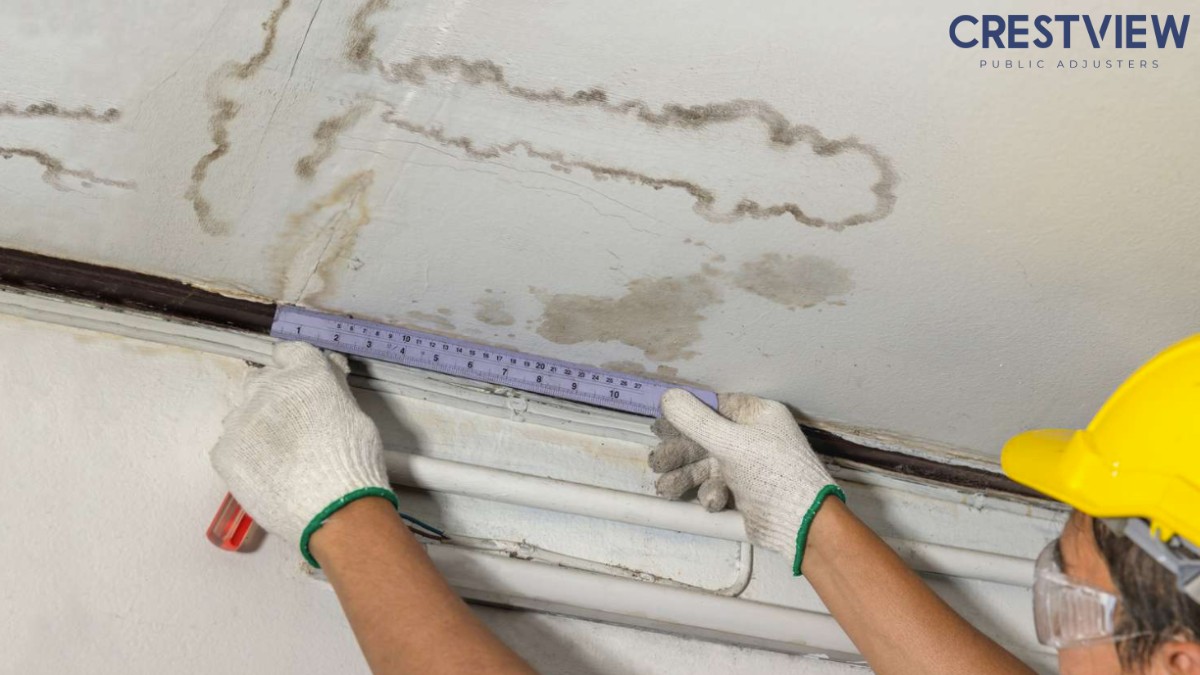
Final Thoughts on Navigating Water Claims
Water damage is one of the most common and expensive threats to homeowners. But claiming insurance for it isn’t always straightforward. The “sudden and accidental” clause can be a protective shield—or a wall between you and your payout.
Knowing what your policy covers, how to document damage, and when to bring in experts, you can dramatically improve your claim’s outcome.
Get Expert Help for Your Water Damage Claim
Water damage claims can get tricky—especially when the insurance company starts citing vague exclusions. If you’re in New York, New Jersey, or Florida, let us help you navigate the process and fight for a fair settlement. Our team specializes in water damage and understands how to frame your loss under the “sudden and accidental” clause effectively.
Don’t go up against the insurance company alone—Contact Crestview Public Adjusters today.