
Key Points:
- Winter storm claims get denied due to wear and tear, policy exclusions, missed deadlines, or weak documentation.
- Fight back by gathering detailed evidence, citing policy language, and requesting a reinspection. and use dated photos, contractor reports, and weather data to show storm-related damage.
- Public adjusters can assist with appeals and underpaid claims.
Feeling snowed under by insurance paperwork after a brutal storm is common. You pay premiums for years, only to have the roof leak or the pipes burst, and then a letter arrives saying your winter storm damage is not covered. A winter storm claim denied can feel worse than the ice and water that started it all.
Winter storms are costly. In the U.S., they caused nearly 6 billion dollars in insured losses in 2022, including a single December storm that reached 3.5 billion dollars in claims. When that much money is on the line, insurers look closely for gaps in coverage, technicalities, and missed steps.
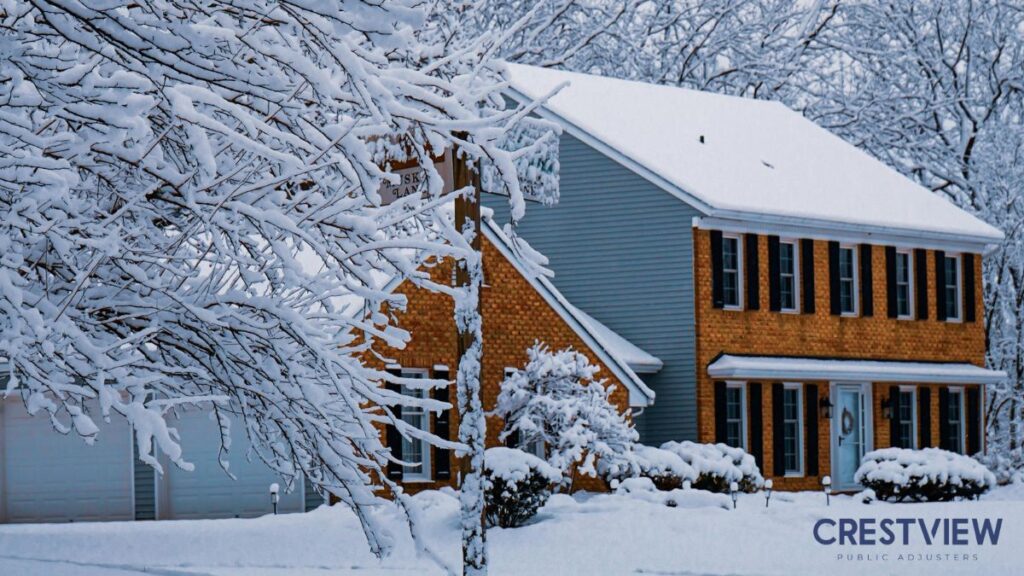
Winter Storm Claim Denied: Why Does It Happen?
When a denial letter arrives, most people expect a rare exception. Industry data tell a different story. One recent analysis found that the 13 largest homeowners’ insurers denied about 47.5 percent of their claims in a single year, compared with 37.4 percent across all reporting underwriters.
Behind those numbers are patterns that show up again and again in winter property damage.
Wear And Tear Or Poor Maintenance
Insurers often argue that the damage is old or caused by neglect rather than by the current storm. That can appear as:
- A roof claim pinned on aged shingles or worn flashing
- Interior stains labeled as long-term seepage
- Pipe breaks tied to corrosion or prior leaks
When that label appears, detailed winter storm damage documentation, including photos, contractor reports, and timelines, becomes central to any challenge.
Policy Exclusions And Gaps
Many denials lean on exclusions. Common examples include:
- Surface water or flood when melting snow flows into basements
- Repeated seepage where water has been leaking for weeks or months
- Mold or code upgrades that fall outside standard coverage
Late Reporting And Missed Duties
Policies usually require timely notice, steps to protect the property, and complete proof of loss. A winter storm claim can be denied if the insurer believes you:
- Waited too long to report the loss
- Failed to dry out wet areas or board up openings
- Let additional damage occur after the initial event
Complaint data show that delays and claim handling issues are among the most common reasons people contact insurance regulators.
Thin Documentation Or Disputed Scope
Even when coverage applies, a water damage claim may be denied or underpaid if the evidence does not match the damage. Typical issues include:
- Few or no photos of the property right after the storm
- Lack of professional estimates for roof or interior repairs
- Large gaps between the insurer’s estimate and contractor bids
One study of insurance complaints found that 65.2 percent of closed cases in 2024 involved claim-handling issues, including delays and unsatisfactory settlement offers, often linked to documentation and scope disputes.
Cause And Timing Disputes
Another frequent flashpoint is the question of when the damage happened and which storm caused it. Adjusters may say:
- Hail damage lines up with an older storm date
- Interior water came from long-term roof wear, not water damage from ice dams or a specific ice event
- Cracks or sagging are structural age, not snow load collapse
Weather reports, prior inspection records, and expert opinions often come into play when you push back on those findings.
Denied Vs Underpaid: What’s The Real Problem?
Not every problem shows up as a clean denial. Sometimes coverage is accepted, but the offer is much too low. Understanding the difference shapes how you seek underpaid claim help.
A denied claim usually means the insurer will not pay anything for that part of the loss. The letter ties the “no” to exclusions, lack of coverage, or alleged policy violations. An underpaid claim means they agree something is covered, but they price it far below what contractors say it will take to repair or replace.
You might see underpayment when:
- Only part of the roof slope is approved, even though damage continues across the plane
- Interior work is priced at older labor and material rates
- Dry-out, code upgrades, or contents are missing from the estimate
Both denials and low offers can be challenged, but the strategy is slightly different for each.
How To Fight Back After A Winter Storm Claim Denied
Once you read the denial letter, it helps to take clear steps rather than react out of shock. A structured response gives you a better chance of changing the outcome.
1. Read The Denial Letter Slowly
Highlight each reason given for the decision. Then pull out your policy and mark the sections, exclusions, and conditions that the letter cites. Understanding the carrier’s position helps keep your response focused.
2. Gather And Organize Evidence
Collect photos, videos, contractor estimates, receipts for temporary repairs, and any weather reports tied to the storm dates. Winter storm losses can spread across the roof, walls, and plumbing, so keep a simple folder or digital file with sections for each area of damage.
3. Get Independent Inspections
Ask a licensed roofer, plumber, or general contractor to inspect the property and write a detailed estimate. Independent experts and a trusted public adjuster for a roof claim can help demonstrate that the damage is sudden and storm-related rather than due to long-term wear.
4. Ask For Reinspection Or Reconsideration
Once you have stronger documentation, ask the insurer to send an adjuster back out or review the file again. Many companies have internal review processes for disputed claims, especially when new evidence appears.
5. Write A Point-By-Point Appeal
Create a letter that lists each denial reason and answers it with facts, policy language, and attachments. Take note that missing documents and incomplete forms are among the leading causes of rejection.
6. Bring In Professional Claim Support
When you feel outmatched, a licensed public adjuster can review policy language, prepare a full estimate, and negotiate on your behalf. That help can be especially useful when you need both denial review and underpayment review across roof, interior, and frozen pipe claims.
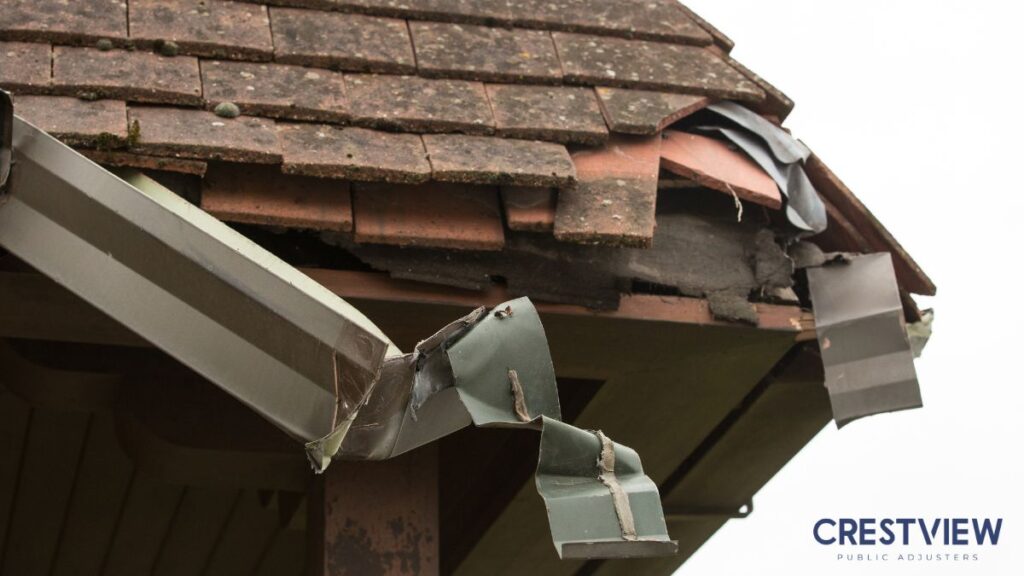
How To Reduce The Risk Of The Next Denial
You cannot stop winter storms, but you can make future claims easier to prove. Small habits before and after bad weather often carry more weight than people expect.
Before storm season, it helps to:
- Take exterior and interior photos once a year as a “before” record
- Keep roof, gutters, and downspouts in a clean, safe condition
- Insulate pipes and keep indoor heat at safe levels during freezes to reduce coverage disputes over frozen pipes
After a major storm, try to:
- Take new photos and video as soon as it is safe
- Make temporary repairs that keep water and cold out
- Save every invoice and receipt tied to mitigation and repairs
Large winter storms like the February 2021 event, which caused about 15 billion dollars in losses, show how quickly small weaknesses can become big claims. Good records give you a stronger starting point if the adjuster questions what happened.
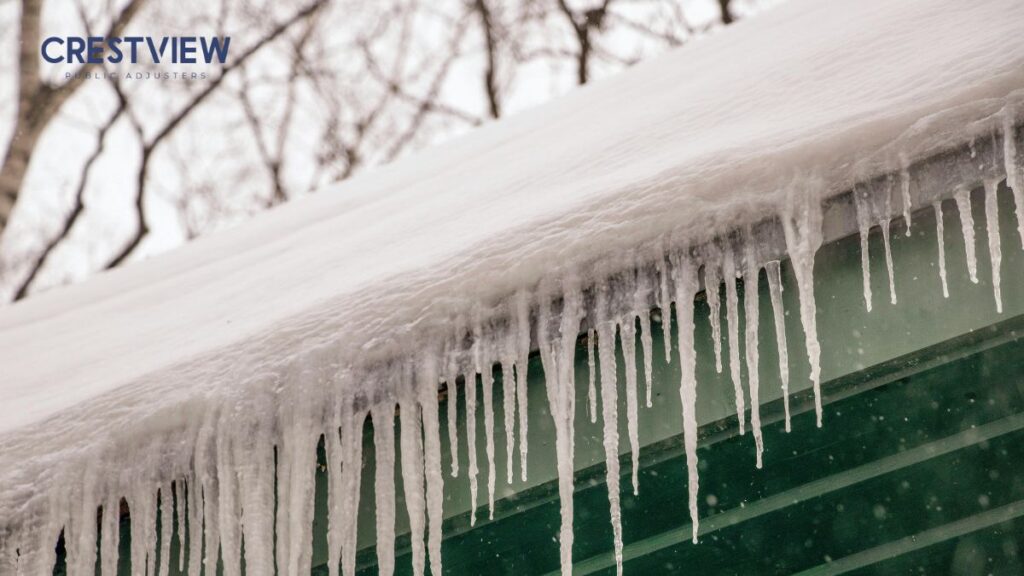
FAQs About Winter Storm Claim Denied Facts
How often are roof claims denied?
Roof claims are often denied, with overall denial rates reaching 37.4% across all insurers and 47.5% among the 13 largest companies. Many denials cite wear and tear, preexisting damage, or poor maintenance. Strong inspection reports and weather records can help challenge these decisions.
Does insurance go up if a claim is denied?
Insurance can go up even if a claim is denied. Insurers track all claims, paid or not, and use this history to assess risk. Multiple claims or large reported losses may lead to premium increases or impact renewal decisions, regardless of whether any payment was made.
What are the three most common mistakes on a claim that will cause denials?
The three common mistakes that cause claim denials are late filing, incomplete paperwork, and poor documentation. Missed deadlines weaken links to covered events. Errors or omissions in forms create processing delays. A lack of photos, estimates, or proof of mitigation makes it harder to validate losses and meet policy requirements.
Get Help Challenging A Winter Storm Claim Denial
Sorting through policy language, estimates, and appeal letters while dealing with frozen pipes or a damaged roof can drain anyone. Public adjuster services in Florida, New York, and New Jersey help turn scattered photos, invoices, and emails into a clear claim file, whether you are fighting a denial or trying to correct an underpaid winter storm loss.
At Crestview Public Adjusters, we focus on guiding homeowners and businesses through property damage claims from first notice through settlement review so decisions better match the true cost of repairs and recovery.
Reach out to us today, and we’ll check your winter storm claim, review your documentation, and see how professional claims management support can improve the outcome.