
Key Points:
- Start a winter storm damage claim by ensuring home safety, photographing damage, and reviewing your insurance policy.
- Document interior and exterior damage with dated photos, videos, and receipts, and file the claim with a clear timeline.
- Prepare for the adjuster with organized documentation and compare the insurer’s estimate with the contractor’s bids before settling.
A big winter storm leaves more than snow behind. You might see leaks, broken branches on the roof, icy ceilings, or rooms you suddenly cannot use. A clear winter storm damage claim checklist helps you move from shock to action, one small step at a time
Winter storms caused nearly 6 billion dollars in insured losses nationwide in 2022. When storms reach that scale, insurance details start to feel very real for homeowners. The steps below focus on the first hours and days after a loss, so you can protect your family, document winter storm damage clearly, and build a stronger claim file from the very beginning.
Step 1: Make The Home Safe Before You Start The Claim
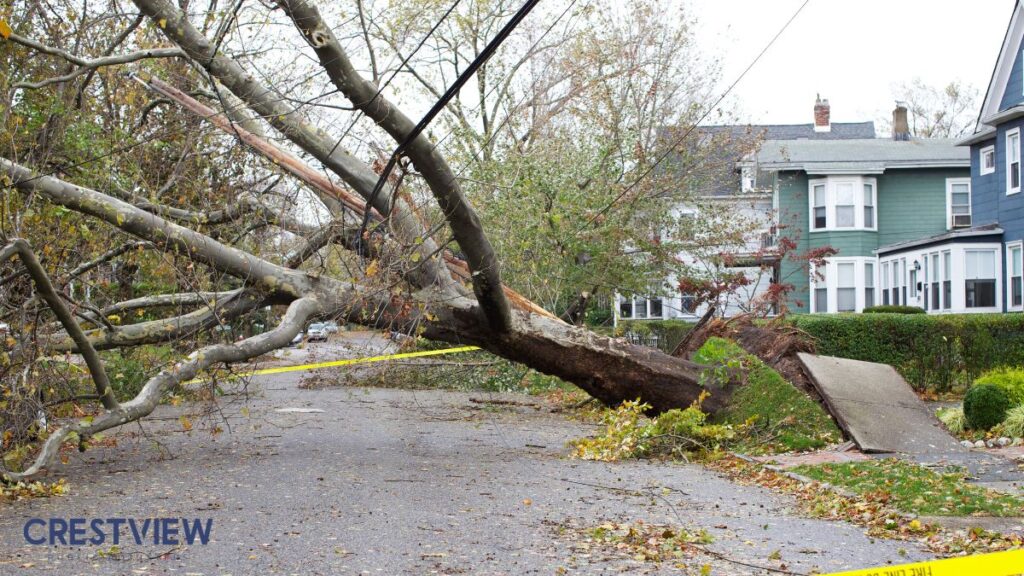
Storms can leave hidden dangers that are easy to miss when you are tired and stressed. Walk through the home slowly and look for:
- Electrical risks. Wet outlets, sparks, downed power lines, or flickering lights.
- Structural risks. Sagging ceilings, cracked walls, damaged beams, or leaning chimneys.
- Gas or fire risks. Gas smells, burnt wiring, or outlets that feel hot.
Keep children and pets out of unsafe rooms. If you see major structural damage, downed lines, or a gas smell, leave the property and call your utility company or emergency services.
Once the home feels safe enough to move around carefully, you can start the rest of your winter storm insurance claim steps and document winter storm damage in a clear, organized way.
Step 2: Capture Photo And Video Proof For Your Winter Storm Damage Claim
Pictures taken early carry a lot of weight later. Snow melts, ceilings dry out, and fallen branches are cleared. Your winter storm damage claim checklist should always include a careful pass with your phone camera before cleanup.
Start outside and take:
- Wide shots of each side of the home, roofline, yard, and driveway.
- Closer shots of missing shingles, bent gutters, fallen trees, and ice buildup.
- Context shots that show how debris or ice relates to the home.
Then move indoors:
- Photograph new stains, bubbling paint, warped floors, damaged furniture, and wet belongings after any sudden water damage from burst pipes or ice.
- Record short videos that show leaks in motion, dripping ceilings, or water flowing into the home.
- Turn on the date and time stamp if your phone or camera allows it.
These images help you document winter storm damage in a way an adjuster can review later, even if the home is already cleaned and dried out when they arrive.
Step 3: Scan Every Room Indoors For New Damage
Once you have a first set of photos, you can switch to a slower room-by-room scan. Many homeowners discover extra issues this way that they missed in the rush.
In each room, check:
- Ceilings and walls for stains, cracks, bubbling paint, and peeling tape.
- Floors and rugs for warping, soft spots, or soaked padding.
- Windows and doors for drafts, broken glass, or damaged frames.
Create a simple inventory as you go. For each damaged item, write down what it is, roughly how old it is, and how it was used. A basic list might read “living room sofa, 5 years old, moderate wear, water-stained, and smells musty after a storm.”
Organized notes now will help later when you prepare a proof of loss or compare the adjuster’s estimate to your own records.
Step 4: Check The Roof, Exterior, And Yard From The Ground
Roofs and exteriors often take the biggest hit in a winter storm. You do not need to climb a ladder to spot many common signs of winter storm roof damage.
From a safe spot on the ground, look for:
- Missing or curled shingles, or shingles that look bruised or dented.
- Bent or loose gutters and downspouts, especially where ice collected.
- Branches on the roof, damaged vents, or metal flashing that looks bent or lifted.
Storm damage to a roof is usually defined as sudden, weather-related harm from wind, hail, heavy snow, ice, or flying debris, rather than slow wear and tear. A strong winter storm can also send debris into siding, decks, sheds, and fences, so give those areas a quick check as well.
If you suspect serious damage, take more photos and contact a licensed roofer for a written opinion you can share during a hail damage roof claim.
Step 5: Prevent More Damage With Temporary Repairs And Track Costs
Most homeowner’s policies expect you to prevent further damage when you can safely do so. Simple temporary repairs can protect the home and support any frozen pipe insurance claim or other emergency repairs insurance claim you file later.
Examples include:
- Placing tarps over obvious roof openings if it is safe for a contractor to do so.
- Boarding broken windows or patio doors.
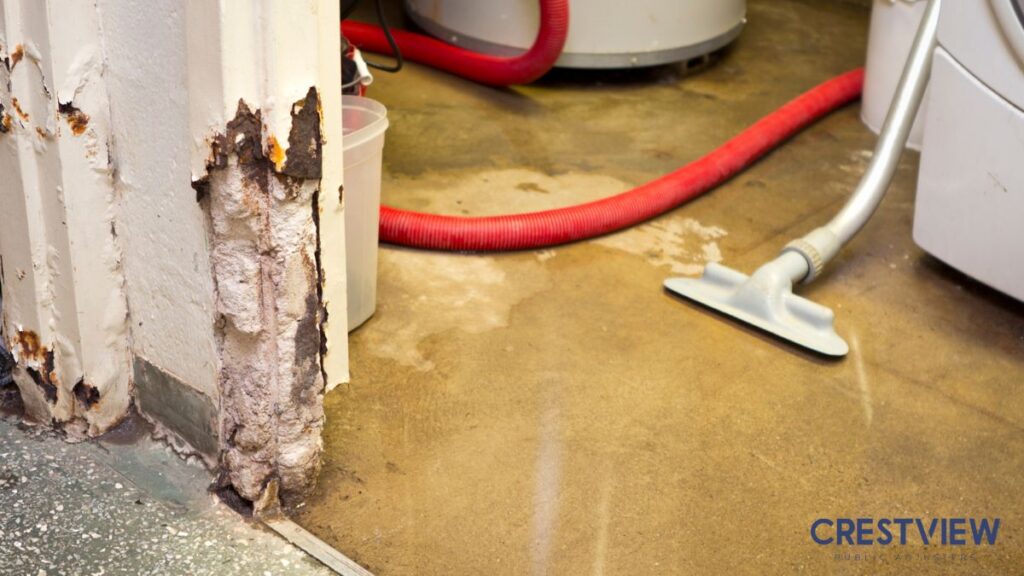
- Moving furniture and belongings out of wet rooms and setting out fans.
Save every receipt for materials and professional help, including tarps, plywood, shop-vac rental, and labor. Take photos before and after each temporary repair. Many policies reimburse reasonable mitigation costs when they are linked to a covered winter storm event.
Avoid permanent repair work until you understand how your insurer wants to handle inspections and estimates, unless a delay would clearly cause more damage.
Step 6: Pull Key Policy Details, Deductibles, And Set Up A Claim File
Once the property is stable, you can pull out the paperwork. Knowing what your policy actually says puts you in a stronger position during a winter storm damage claim.
Key items to find include:
- The declarations page that shows your coverages and deductibles.
- Any special deductibles for wind, hail, or named storms.
- Sections on “weight of ice and snow,” “freezing,” and “water damage,” plus how your insurer groups different types of property damage.
A mid-2024 review of severe weather losses estimated more than 49.6 billion dollars in U.S. weather-related damage in just seven months, including winter storms. With numbers like that, insurers look closely at policy language.
Create one digital or paper folder for your winter storm insurance claim. Keep copies of photos, videos, receipts, repair estimates, and all letters or emails from your carrier in that single place.
Step 7: Report The Loss Clearly And Start The Claim Timeline
When you have basic facts and photos ready, you can call or go online to report the claim. A calm, clear report keeps the insurance claims process moving.
Have these details nearby:
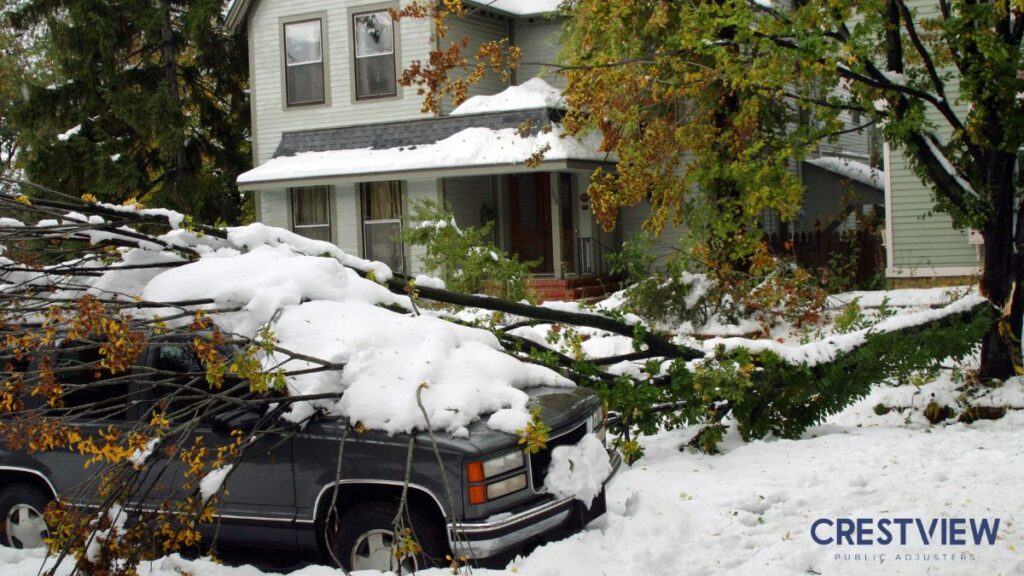
- Date and approximate time of the storm, and when you noticed damage.
- Short summary of main damage areas such asthe roof, ceilings, and flooring.
- List of urgent temporary repairs already completed.
Describe what you saw without guessing at causes. Instead of “the pipe must have been leaking for months,” you can say “we saw water coming from the ceiling during the storm and found a split pipe afterward.”
Ask for your claim number, the adjuster’s contact details, and an expected inspection timeframe. Your own winter storm damage claim checklist can include a simple log where you jot down every phone call, email, and visit in date order.
Step 8: Prepare For The Adjuster Visit With Organized Proof
An organized visit often leads to a better record of what really happened. You want the adjuster to see the full scope of loss, not just the most obvious damage.
Before the visit, you can:
- Print or pull up your best photos and videos.
- Lay out your inventory lists, receipts, and any contractor reports.
- Write down questions about coverage, code upgrades, and timelines.
During the walk-through, guide the adjuster room by room. Point out hidden areas that worry you, such as soft spots in floors, damp closets, or attics where insulation has gotten soaked.
Step 9: Review The Estimate And Know When To Get A Second Opinion
After the inspection, the company will provide an estimate outlining the cost to repair the home. This is the moment to slow down and compare their scope to what you see on the ground.
Check whether the estimate:
- Includes every damaged room and surface, not just the worst spots.
- Uses materials and methods that match the home’s current quality and local codes.
- Accounts for clean-up, debris removal, and any covered additional living expenses.
If key areas are missing or priced very low, you can ask questions and provide more documentation.
Many homeowners seek a contractor estimate to compare against the insurer’s. In more complex winter storm claims, some people also engage an independent expert or public adjuster to get a second opinion in winter damage claim valuations before accepting a settlement.
A careful review at this stage helps your winter storm damage claim checklist come full circle, from those first phone snapshots to a more accurate repair plan.
FAQs About Winter Storm Damage Claim Checklist
What is considered storm damage to a roof?
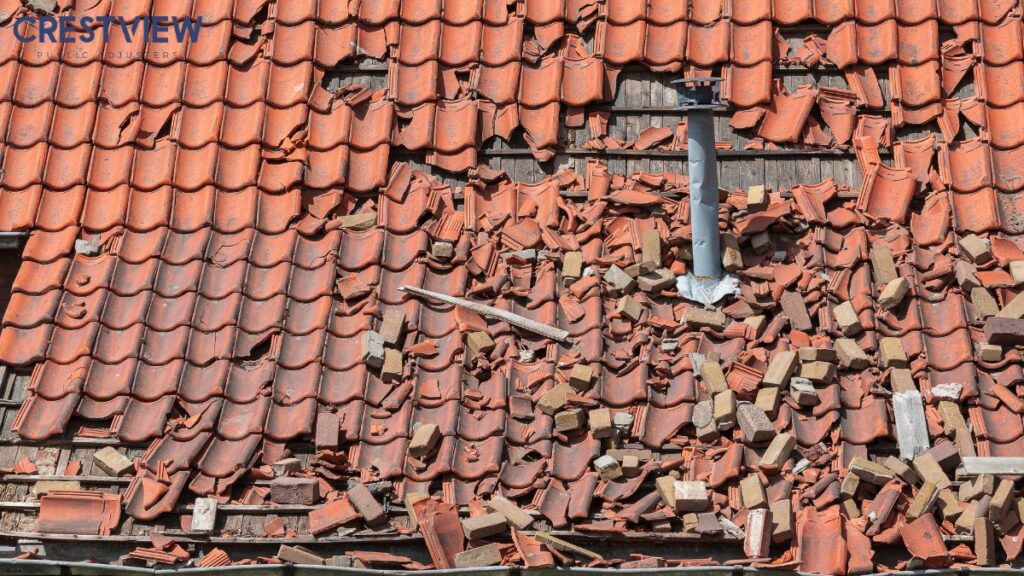
Storm damage to a roof refers to sudden, weather-related harm caused by wind, hail, snow, ice, or falling debris. Signs include missing shingles, hail dents, lifted flashing, vent damage, and leaks appearing immediately after a storm. Granule loss and bruised shingles also indicate damage, while aging or moss growth is not considered storm-related.
What not to say to a homeowners insurance adjuster?
Homeowners should avoid admitting fault, guessing causes, or downplaying damage when speaking to an insurance adjuster. Statements like “it’s probably my fault” or “it’s not that bad” may lead to claim denial. Avoid recorded statements or signing forms without a full understanding or legal advice.
Will insurance cover damage from an ice dam?
Insurance typically covers ice dam damage when it causes sudden water intrusion into ceilings, walls, or insulation. Most HO-3 homeowners’ policies list ice and snow weight as a covered peril. However, removal of the ice dam itself is often excluded. Coverage details vary by insurer and location, so reviewing your policy is essential.
Get Help Managing Complex Winter Storm Claims
Handling roof leaks, wet rooms, and insurance paperwork at the same time can drain your energy, especially when a winter storm forces you out of your normal routine. Public adjuster services in New Jersey, Florida, and New York help policyholders turn photos, receipts, and contractor reports into a clear claim file and push back when early offers do not match the real scope of winter storm damage.
At Crestview Public Adjusters, we focus on guiding homeowners and businesses through winter storm claims from first notice through settlement review so payouts better reflect the true cost of repairs, code upgrades, and lost use of space.
Get in touch with us. We’ll review your winter storm damage claim checklist and see how professional claims management support can strengthen your next insurance claim.