
Kay Points:
- Prove an ice dam roof leak insurance claim by linking recent snowfall, visible ice buildup, and sudden attic or ceiling water damage.
- Document with dated photos, videos, and repair receipts. Create a timeline of storm events and actions taken.
- Reference policy language on covered snow and ice perils to strengthen the claim.
Waking up to brown stains on the ceiling or water in the attic after a snowstorm feels stressful, especially when you are not sure if insurance will help. Ice dams, slow snow melt leaks, and hidden roof issues all start to blur together. An insurance claim can feel like one more problem on top of the mess at home.
When you know how to prove winter roof damage and other common types of winter property damage covered by insurance, you can show that an ice dam caused sudden water intrusion instead of long-term roof wear.
The steps below explain how to spot ice dam damage, document attic water damage, build a strong case with your insurer, and decide when to bring in extra help.
Step 1: Confirm It Is Ice Dam Damage
Before you talk about an ice dam roof leak insurance claim or roof leaks after a snowstorm and related insurance coverage, you need to feel sure that an ice dam is actually causing the problem. Roof leaks can also result from old flashing, worn shingles, or failed previous repairs.
Inside the home, you might notice:
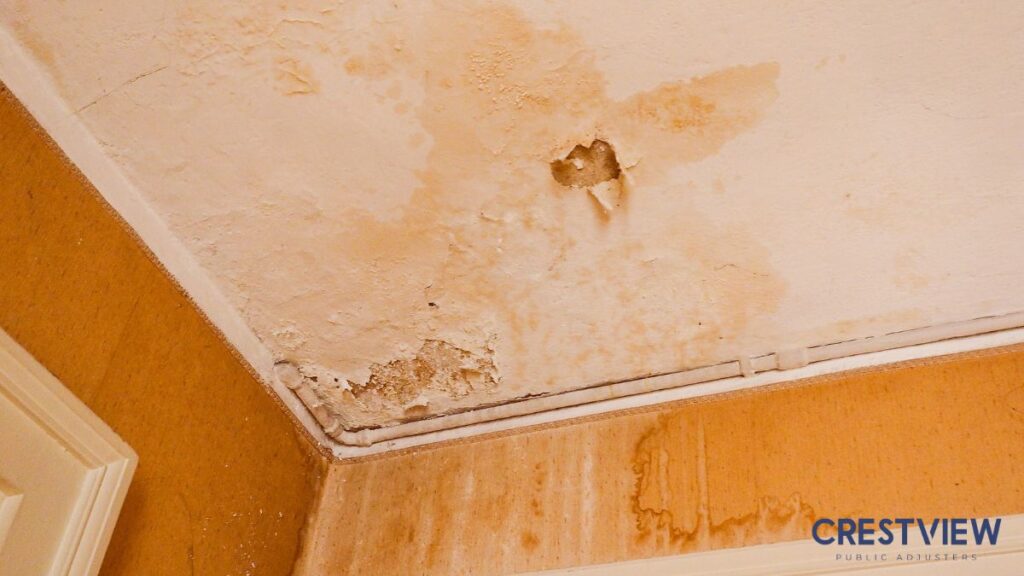
- New stains or bubbles in paint along exterior ceilings or walls.
- Soft or swollen trim near the top corners of rooms.
- Damp insulation or frost in the attic near the eaves.
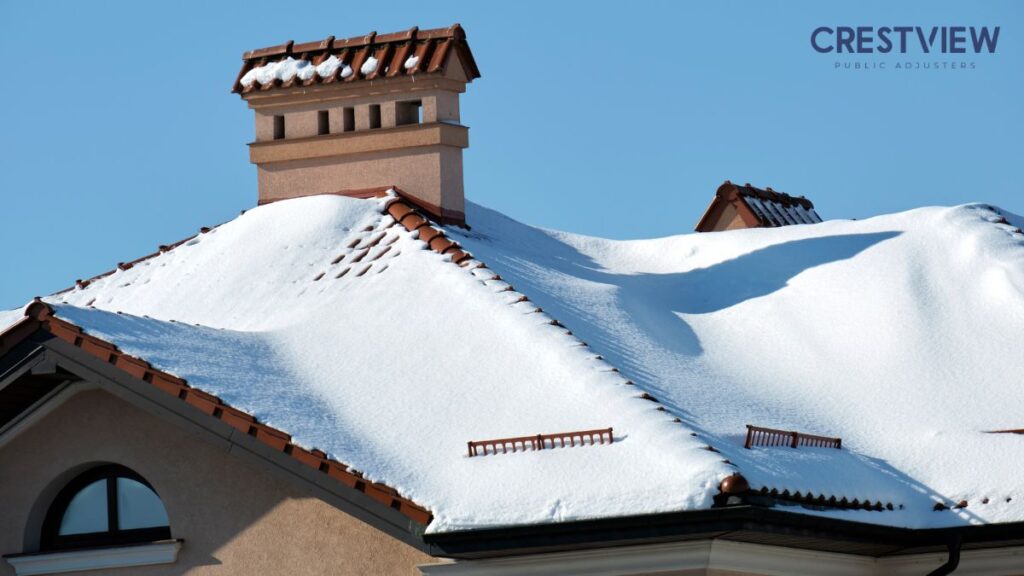
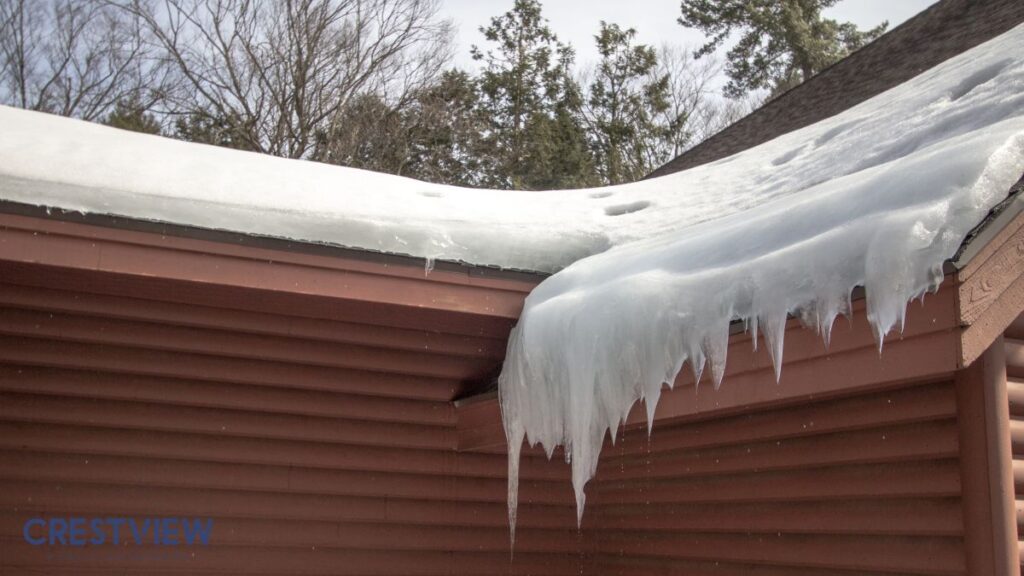
Outside, look for thick ridges of ice at the lower edge of the roof, frozen gutters packed with snow and ice, and icicles attached to roof edges rather than just to downspouts. Those visual signs line up with a snow melt leak that backs up under shingles, not just a missing shingle in the middle of a slope.
If you see older yellow rings or long-standing cracks, take note of them too. Your claim will be stronger when you can show what is new, what changed after a specific storm, and what appears to be older cosmetic issues.
Step 2: Document Roof And Attic Water Damage
Once you are fairly sure an ice dam is behind the leak, documentation becomes your best tool. Water damage claims average about $ 11,000 each, so insurers need proof before paying for full repairs.
Start with photos and videos to properly document water damage for an insurance claim before you clean or repair anything. Short clips and clear still photos help later when you forget details.
Helpful angles include:
- Wide shots of each affected room, then close-ups of stains, peeling paint, and warped flooring.
- Photos of attic water damage, including wet insulation, visible drips, frost lines, and darkened wood near the eaves.
- Exterior shots of the roof, gutters, icicles, and any visible missing shingles or damaged soffits.
It also helps to keep a simple log as you go. Note the date and time when you first noticed dripping, when you moved furniture, and when you set out buckets or towels.
Save receipts for emergency work such as tarping, ice dam steaming, drying equipment, and demolition of wet drywall. This is because each step in the water damage claim process depends on proof of the measures you took to protect the home.
Step 3: Build A Timeline For Your Winter Roof Leak Claim
Insurance adjusters need a clear story that connects the weather, the ice dam, and the indoor damage. A simple timeline can do that better than long explanations on the phone.
You can start by listing:
- Dates of major snowfalls, deep freezes, and later warm-ups in your area.
- The day you first saw snow melt, leaks, or new stains.
- Each step you took to protect the home, from moving belongings to calling a roofer.
Weather history websites, local news archives, or screenshots from weather apps can help you document winter storm damage for a strong claim by confirming that a heavy snowfall or cold snap occurred right before the problems began. Many policies treat the weight of snow, sleet, or ice as a covered cause of loss.
When your winter roof leak claim shows a tight link between storm dates and interior damage, it becomes harder to label the issue as “old” or “gradual.” That link also helps distinguish sudden ice dam damage from long-term roof aging.
Step 4: Check Policy Language On Snow, Ice, And Water
Before you file, it helps to pull out your policy and look at a few key sections. You do not need legal training to spot important phrases. You just need to know where to look.
Focus on:
- Covered causes like the weight of ice and snow, wind, and sudden water damage.
- Exclusions for long-term leaks, deterioration, mold, or poor maintenance.
- Deductibles and any special rules for named winter storms.
Some insurers state that interior damage from an ice dam is typically covered, while removal of the ice may not be. Others may cover part of the removal if it directly prevents more leaking.
If the wording feels confusing, highlight the parts that seem related to snow, ice, and water. Having those lines marked makes it easier to ask questions later, whether you call the insurer, speak with a roofer, or eventually decide to work with a public adjuster.
Step 5: File Your Ice Dam Roof Leak Insurance Claim
When you are ready to report the loss within the timeline for filing a water damage claim, a clear first notice of loss sets the tone. The goal is to provide the insurer enough detail to understand your ice dam roof leak insurance claim without overwhelming them with extra information.
A solid first report usually includes:
- The date you believe the loss began and the storms that preceded it.
- A short description of the damage, including rooms affected and visible attic water damage.
- A note that you have photos, videos, receipts, and a timeline ready to share.
You can mention that you suspect an ice dam because of heavy snow followed by freezing and later melting at the roof edge. Keep the description factual and calm. When the claim number is assigned, ask how to upload or send your photo set and documents.
As the claim moves forward, try to keep all emails, letters, and notes from phone calls in one place so you can stay on top of handling water damage claims. Many homeowners find that a simple folder, either digital or on paper, keeps the ice dam roof leak insurance claim organized from the start.
Step 6: Prepare For The Adjuster Visit
The field inspection is often where details get sorted out. A bit of preparation can help the adjuster see the full scope of the winter roof leak claim rather than just the obvious stains.
Before the visit, you can:
- Clear access to the attic, damaged rooms, and key exterior areas.
- Lay out printed photos or pull them up on a tablet in time order.
- Have your timeline and receipts handy so you can answer questions quickly.
During the inspection, walk through the house room by room and point out each area affected, including any places where you had to remove drywall, flooring, or insulation.
If the adjuster suggests something is older or unrelated, ask politely if that view can be noted in the file and remember that the top reasons water damage claims are denied often involve questions about pre-existing damage.
You can also ask what other information would help show that the damage came from the recent storm.
Some homeowners choose to bring a roofer, contractor, or independent estimator to inspections for a second set of eyes. That extra documentation can become important if the first offer seems low for the amount of work needed.
Step 7: When To Get Extra Help On Winter Roof Damage
Large or complex losses can be hard to handle on your own, especially when the roof, attic, walls, and contents all need work. Ice dam removal and repairs add up fast. The average cost to remove ice dams is about 1,200 dollars, with most homeowners paying between 650 and 2,000 dollars, and some jobs reaching 4,000 dollars. That cost does not include full roof or interior repairs.
Water damage and freezing claims sit among the most common insurance claims homeowners file. About 1 in 60 insured homes has a water or freezing claim in a typical year, indicating how common these losses are nationwide.
If your ice dam roof leak insurance claim involves structural repairs, significant mold risks, or a gap between the estimate and contractor bids, bringing in a licensed public adjuster can help. A public adjuster works for you, not the insurer, and focuses on documenting the full scope of damage, preparing estimates, and negotiating within the policy language.
FAQs About Ice Dam Roof Leak Insurance Claim
Does insurance cover ice dam leaks?
Yes, insurance often covers ice dam leaks when the damage results from a covered peril, such as snow or ice buildup. Most policies pay for interior repairs to ceilings, walls, and belongings, but may not cover roof repairs or ice removal if caused by wear or lack of maintenance.
Can you file an insurance claim if your roof is leaking?
Yes, you can file an insurance claim if your roof is leaking, but approval depends on the cause of the leak. Most policies cover leaks from sudden events like storms or ice damage. However, they typically exclude gradual leaks from wear and tear, such as old shingles or faulty flashing, which are considered maintenance issues.
How much does it cost to repair ice dam damage?
Ice dam damage repair typically costs between $600 and $1,800, with an average of $1,200 for removal alone. Severe cases can exceed $4,000. If water infiltrates insulation, drywall, or flooring, total repair costs can rise to around $13,954, reflecting labor, material replacement, and mold prevention efforts.
Get Help Proving Your Ice Dam Roof Leak Insurance Claim
Sorting out an ice dam, a wet attic, and the fine print in your policy can be tiring when you are already dealing with fans, contractors, and family routines. Public adjuster services in New York, Florida, and New Jersey help policyholders organize photos, timelines, estimates, and policy language into a clear winter roof damage claim file that reflects the true scope of loss.
At Crestview Public Adjusters, we focus on guiding homeowners and businesses through complex property damage claims from the first call to settlement review so payouts better match real repair costs and ice dam recovery needs.
Reach out to us today so we can review your situation and documentation and discuss how professional claims management support can strengthen your next ice dam roof leak insurance claim.